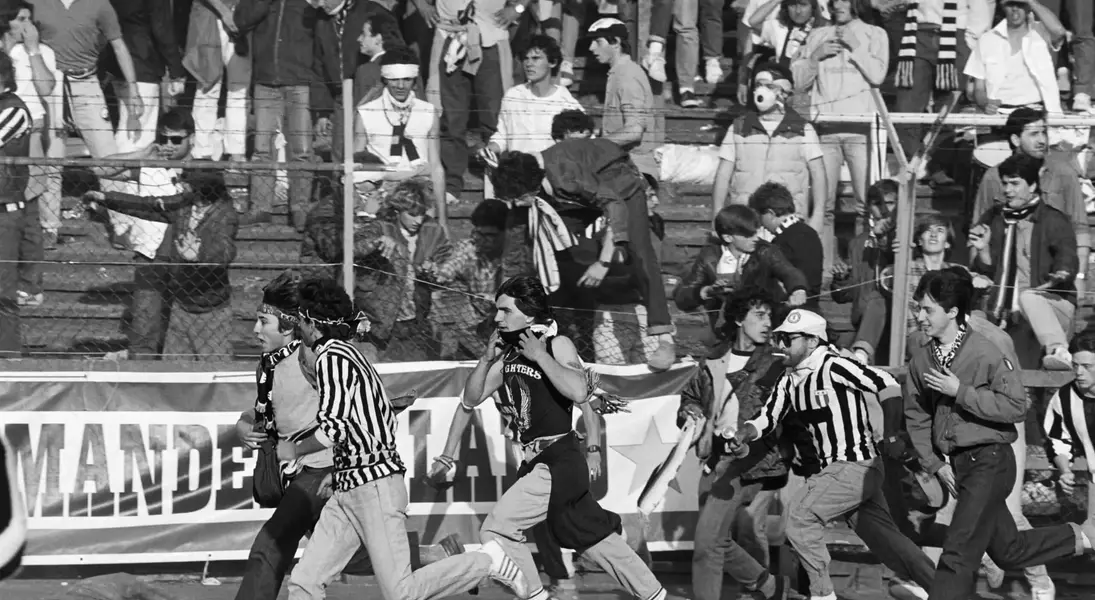



A recent chant honoring Liverpool's new acquisition, Federico Chiesa, has stirred a significant debate and considerable unease among a segment of the club's supporters. The lyrics, perceived as aggressive and dismissive towards Juventus, Chiesa's previous team, inadvertently touch upon a sensitive historical wound: the 1985 Heysel Stadium tragedy. This incident, which led to the tragic loss of 39 lives, predominantly Juventus fans, continues to cast a long shadow over the relationship between the two clubs. The song's seemingly innocuous taunts about 'crying in Turin' and explicit language directed at Juventus are viewed by some as deeply disrespectful, especially given the unresolved pain from that dark day. This situation highlights a complex interplay between fan culture, historical memory, and the potential for unintended offense in the passionate world of football.
The specific lyrics that have caused contention include phrases like 'We can hear them crying in Turin, Federico, he's here to win... F*** off Juve, I'm a Kopite now.' While many chants are not meant to be taken literally, the historical context between Liverpool and Juventus imbues these words with a particular weight. In May of the current year, the 40th anniversary of the Heysel disaster was marked, an event where a charge by Liverpool fans resulted in a wall collapsing, leading to the crushing deaths of 39 individuals, mostly Juventus supporters. The tragedy left deep scars, particularly in Turin, and despite efforts from both clubs to foster reconciliation, the emotional wounds persist.
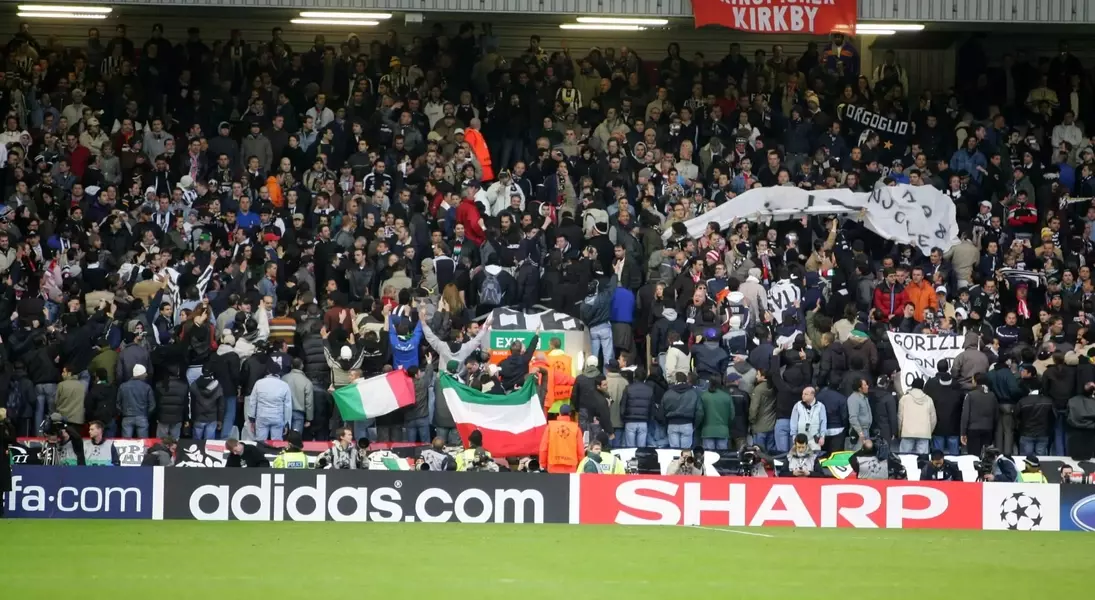
A poignant example of this lingering tension occurred in 2005 during a Champions League quarter-final. When Liverpool fans displayed a banner spelling 'friendship' in Italian, traveling Juventus supporters turned their backs, a stark demonstration of the enduring hurt. For Juventus fans, the 'crying in Turin' line in the new chant likely evokes painful images tied to this historical trauma, making the song's reception profoundly negative within their community. This contrasts sharply with Chiesa's own departure statement from Juventus, which expressed gratitude and warmth towards his former club's fans and teammates, indicating no personal animosity towards the club itself, only a professional disagreement with its executives regarding his future.
The debate surrounding the chant also reveals a generational divide among Liverpool fans. Older supporters who lived through the Heysel era tend to be more sensitive to its implications, understanding the historical gravity and the need for respectful engagement. Younger fans, perhaps less directly connected to the tragedy's immediate aftermath, may not fully grasp the depth of the historical context, viewing the chant as merely a spirited show of loyalty. This gap in understanding underscores the importance of historical education within fan bases to prevent unintentional re-traumatization and foster a more empathetic approach to rivalries.
The controversy surrounding the Federico Chiesa chant illuminates the intricate and often sensitive nature of football fan culture. While the song may be intended to celebrate a new player's arrival and boost team morale, its choice of words, when viewed through the lens of historical tragedy, can cause profound distress and reopen old wounds. This situation serves as a powerful reminder that even in the heat of fandom, a mindful approach to lyrics and expressions is essential, particularly when dealing with the complex legacies of past events that continue to impact communities and relationships between clubs.
