Toyota and Lexus have issued a significant recall affecting thousands of vehicles, not due to a mechanical fault, but because of an error in the load capacity labels. This seemingly minor issue, stemming from a software miscalculation of accessory weight, could have safety implications for vehicle owners. The recall impacts a broad range of models produced between April 2024 and late 2025.
Prioritizing Safety: The Hidden Importance of Load Capacity Labels
The Unsung Hero of Vehicle Safety: Why Load Capacity Labels Matter More Than You Think
Many drivers tend to overlook the small sticker affixed to their vehicle's door jamb, yet this label holds crucial information about the maximum safe weight your vehicle can carry, including passengers and cargo. This isn't merely a suggestion; it's a critical safety guideline that directly influences how your vehicle performs under load, affecting handling, braking, and overall stability. Adhering to these limits is vital for safe operation, especially when the vehicle is fully occupied or carrying heavy items.
The Glitch in the System: How a Software Error Led to Incorrect Labels on Toyota and Lexus Models
In this particular instance, several Toyota and Lexus models were manufactured with inaccurate load capacity labels. The discrepancy arose from a software error that miscalculated the actual weight added by factory-installed accessories. Consequently, the weight displayed on the labels exceeded the vehicle's true safe load capacity. This oversight has prompted a recall for over 8,000 vehicles in the U.S., with potential implications for other markets.
Beyond the Sticker: The Potential Dangers of Overloading an Incorrectly Labeled Vehicle
While an incorrect label might appear to be a minor issue, its implications can be serious. If owners rely on the inaccurate label and overload their vehicles, they could compromise the suspension and braking systems. This scenario increases the risk of accidents, particularly during sudden stops or evasive maneuvers, highlighting the critical importance of accurate load information for vehicle safety.
Affected Models and the Technical Root of the Problem: A Closer Look at the Recall Details
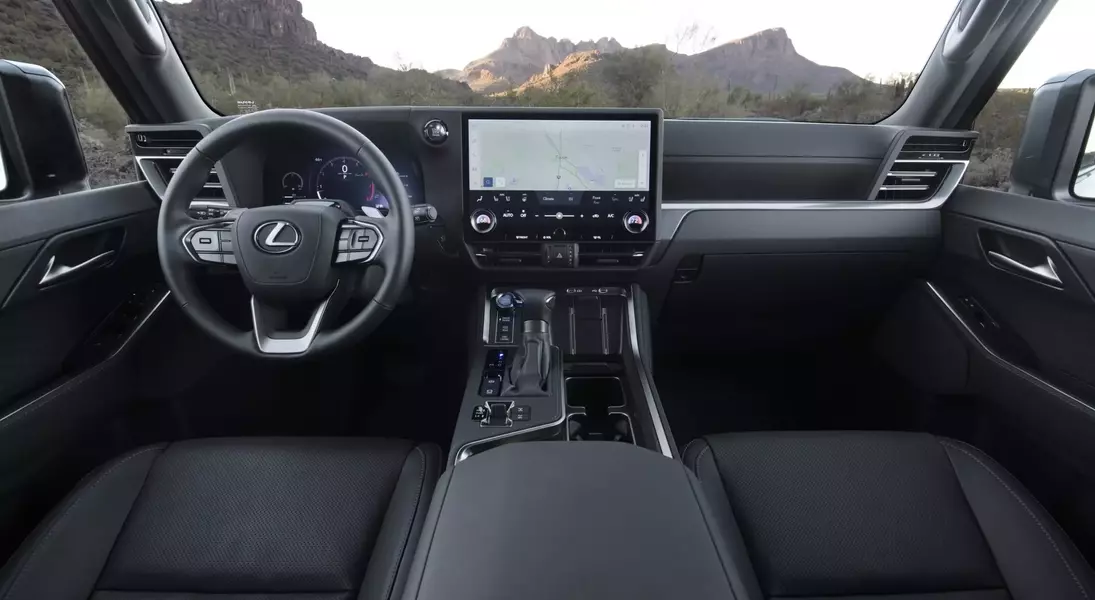
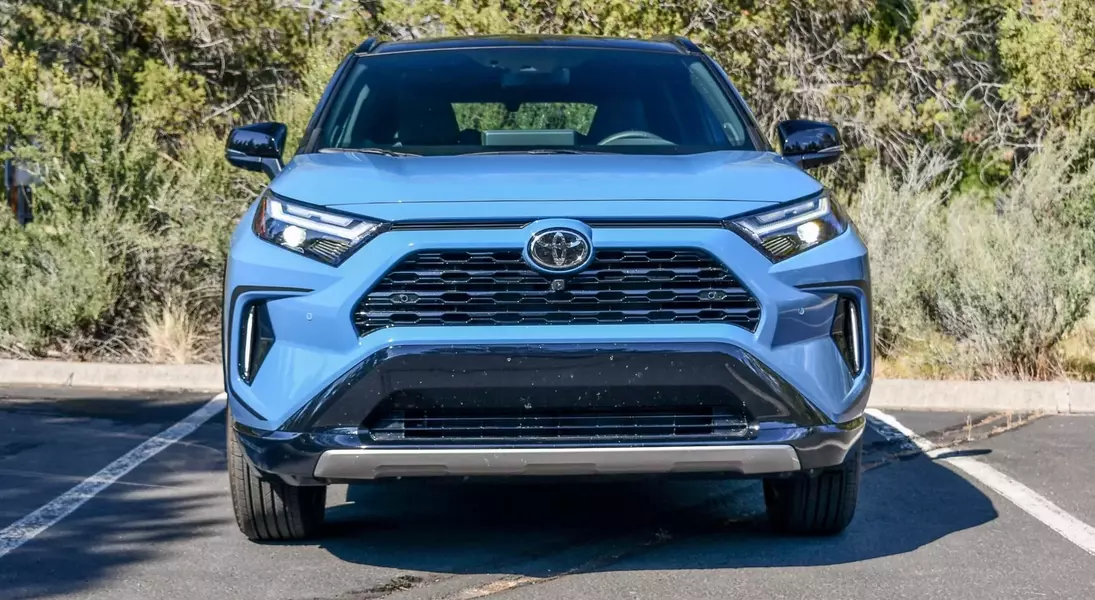
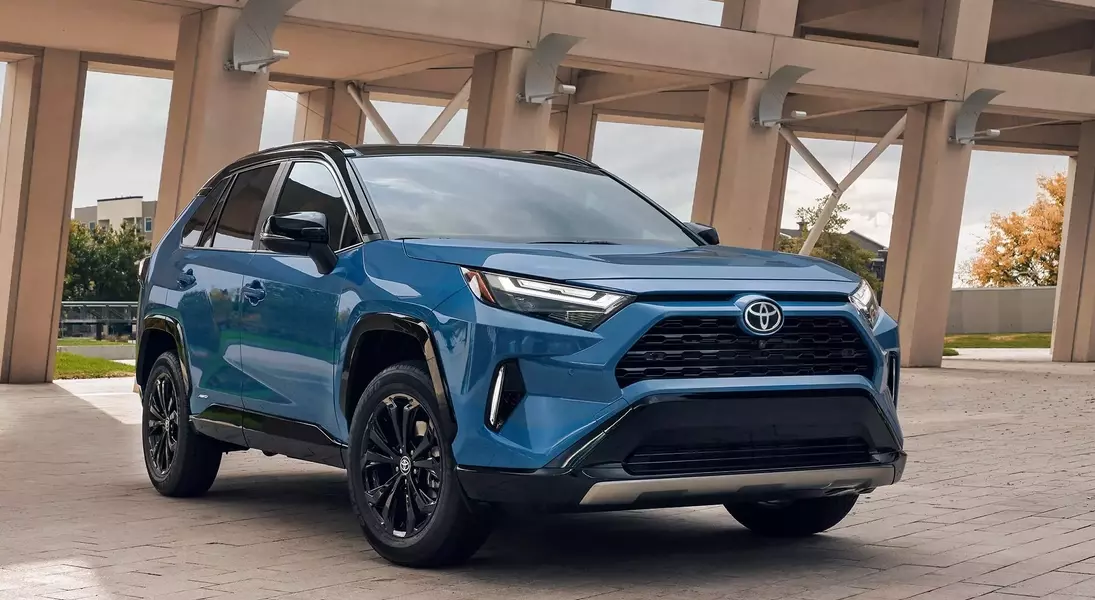
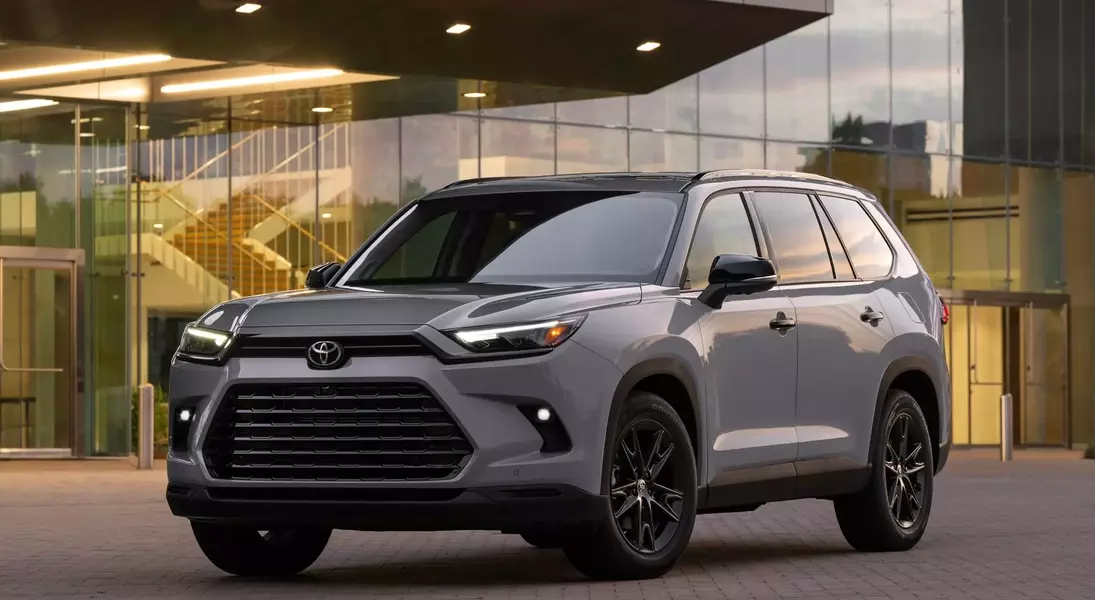
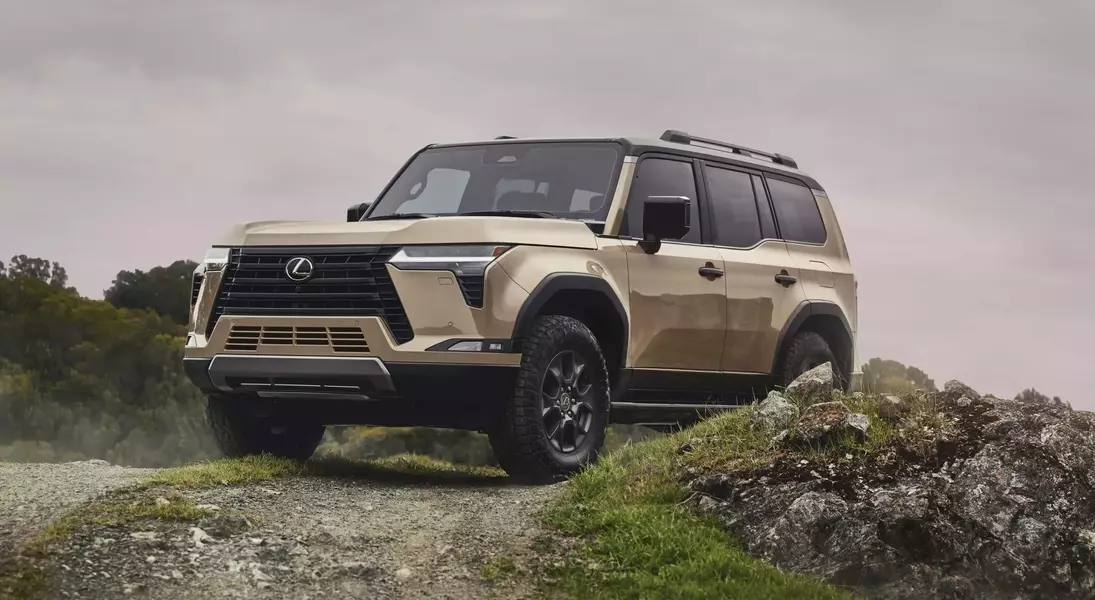
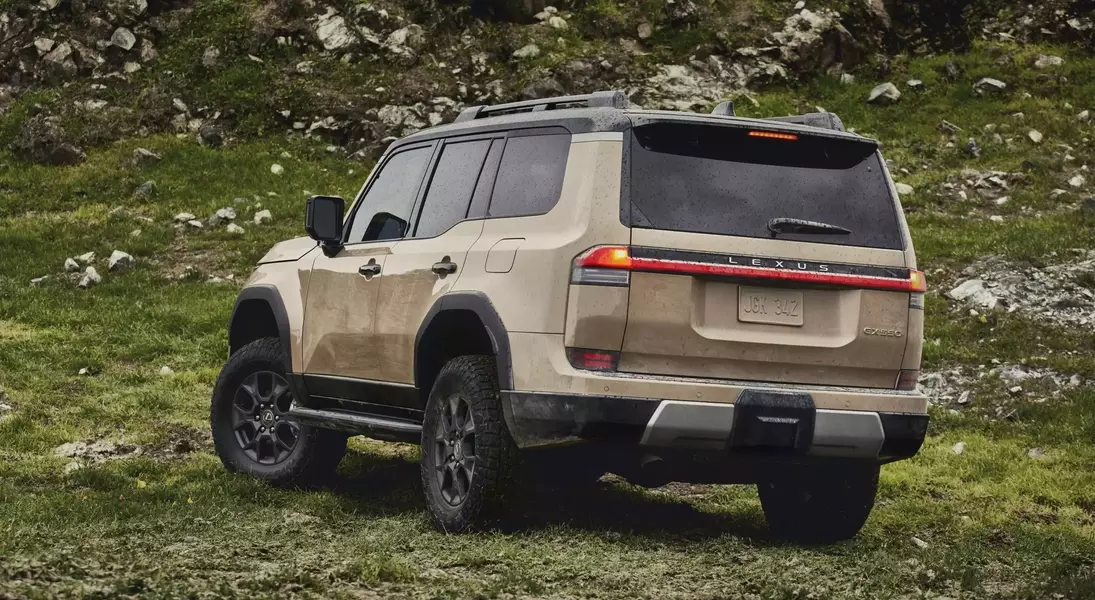
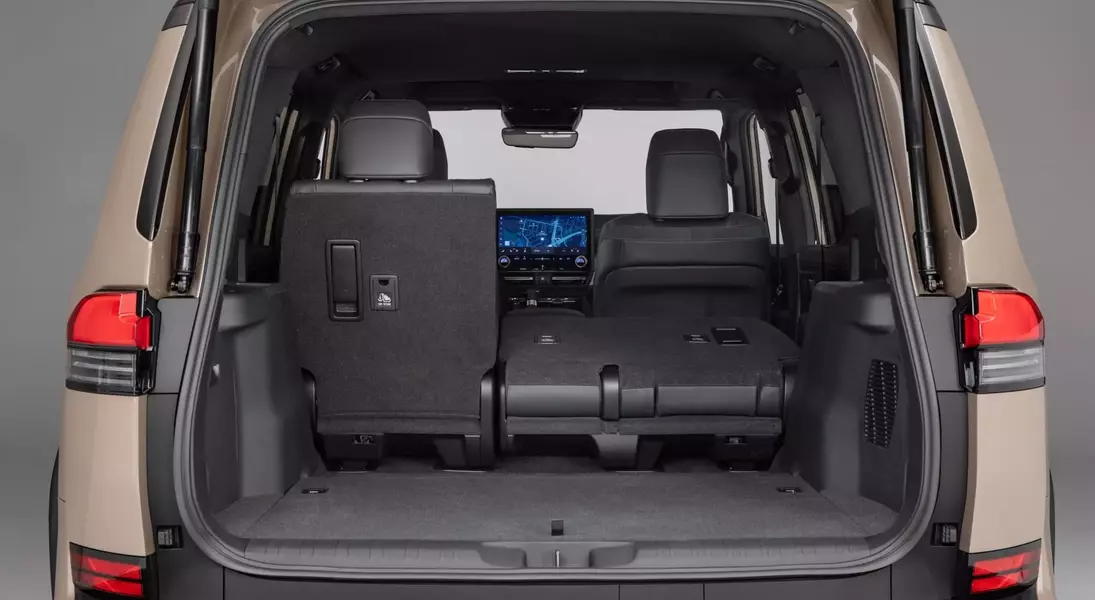
According to the National Highway Traffic Safety Administration (NHTSA) report, the recall encompasses a wide array of models, including the Toyota Tundra, Tacoma, Sequoia, RAV4 Hybrid, Land Cruiser Hybrid, and Grand Highlander, along with Lexus TX, NX, and GX models. The affected vehicles were produced between April 2024 and late 2025, with the Lexus GX550 accounting for a significant portion of the recall. The core issue is a software glitch that led to an inaccurate calculation of accessory weight, resulting in load capacity labels that overstate the vehicle's safe carrying limit by more than 1% in some cases.
The Simple Solution: How Toyota and Lexus Are Rectifying the Load Capacity Label Error
The resolution for this issue is straightforward. Owners of affected vehicles will be instructed to visit a Toyota or Lexus dealership to have the incorrect labels replaced with accurate ones, free of charge. Toyota and Lexus are planning to dispatch notification letters to owners between early and mid-May 2026, depending on the specific model. While there's no immediate need to stop driving the vehicles, it is advisable for owners to be mindful of their vehicle's load, especially when transporting heavy items or multiple passengers, until the corrected labels are in plac
