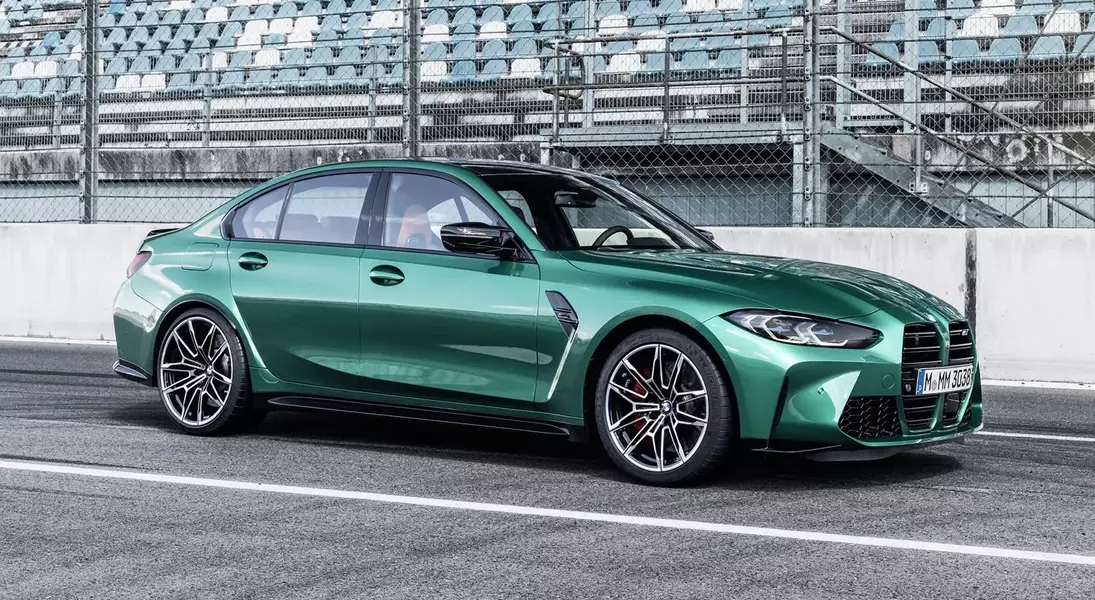
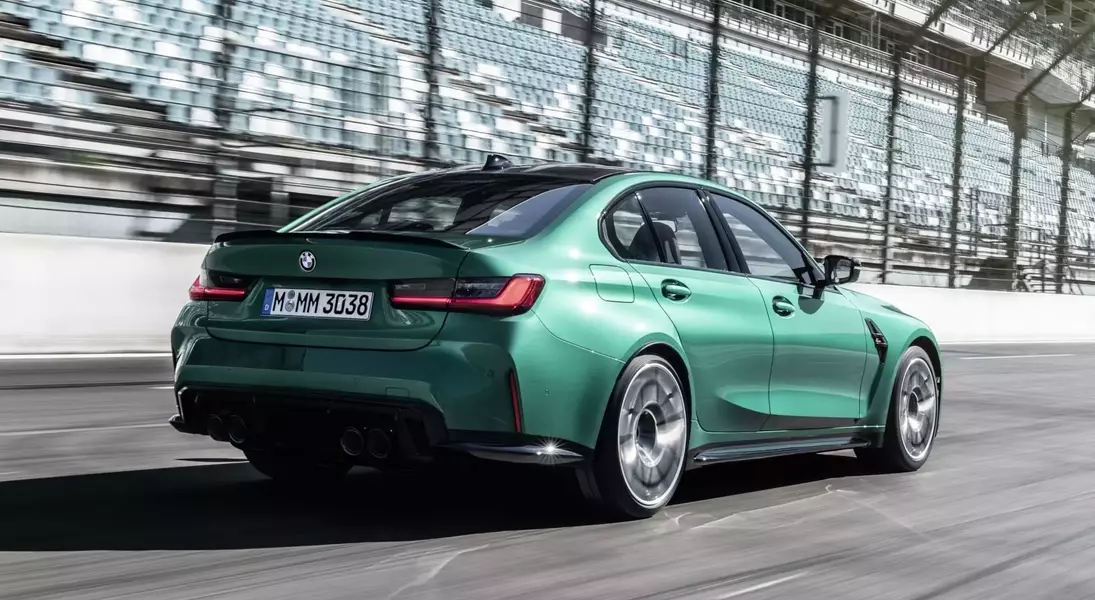
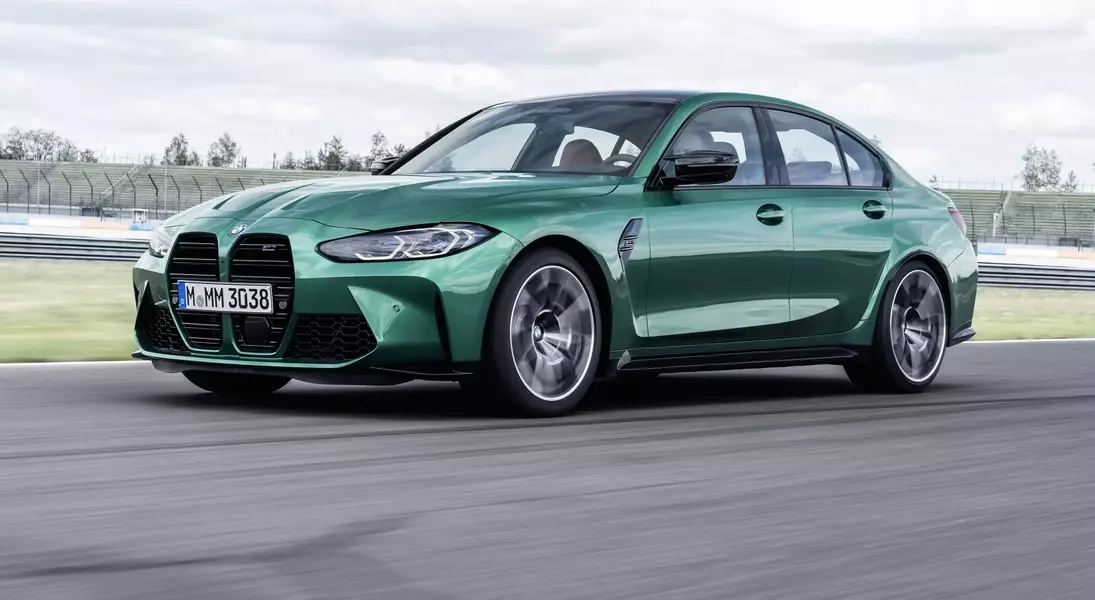
A recent comprehensive endurance assessment by Auto Bild has underscored the exceptional durability of the BMW M3. This intensive examination, covering 100,000 kilometers (approximately 62,000 miles) of diverse driving conditions, revealed that the high-performance sedan exhibited remarkably few issues, defying expectations for a vehicle subjected to such rigorous testing. The findings challenge conventional notions of reliability, particularly when comparing the M3's performance against that of other vehicles, including its standard 3 Series counterpart and models from renowned Japanese manufacturers.
BMW M3 Conquers Auto Bild's 100,000-Kilometer Durability Challenge
In a testament to robust German engineering, a BMW M3, specifically a non-Competition model equipped with rear-wheel drive and a manual gearbox, successfully navigated Auto Bild's stringent "Dauertest." This demanding program, conducted between October 2021 and November 2023, involved pushing the vehicle through 100,000 kilometers of mixed driving, including extensive instrumented evaluations and high-speed autobahn runs, equating to approximately 4,770 miles per month.
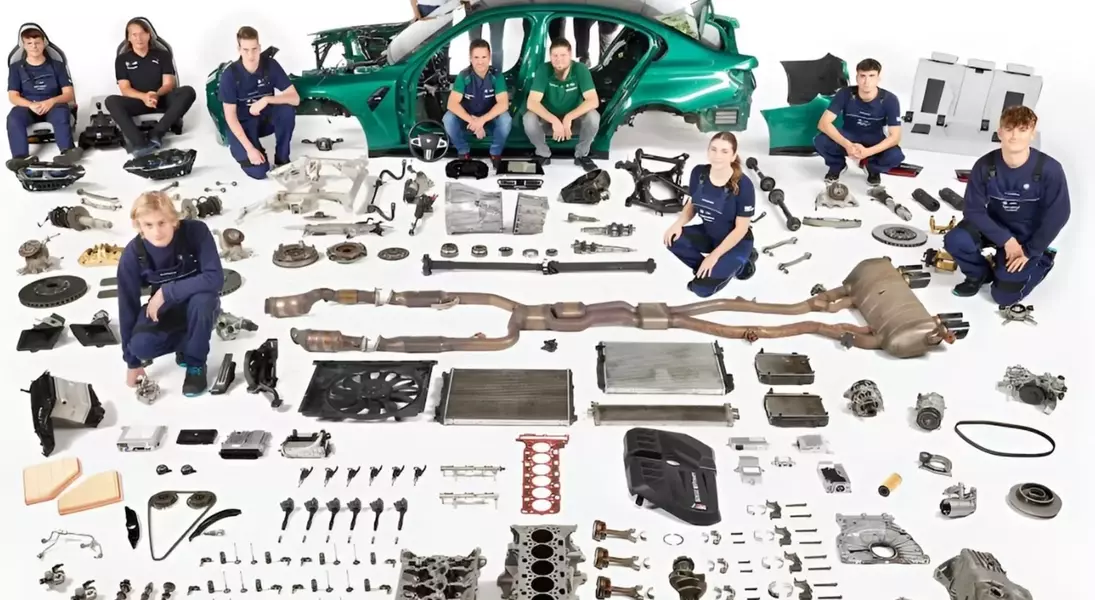
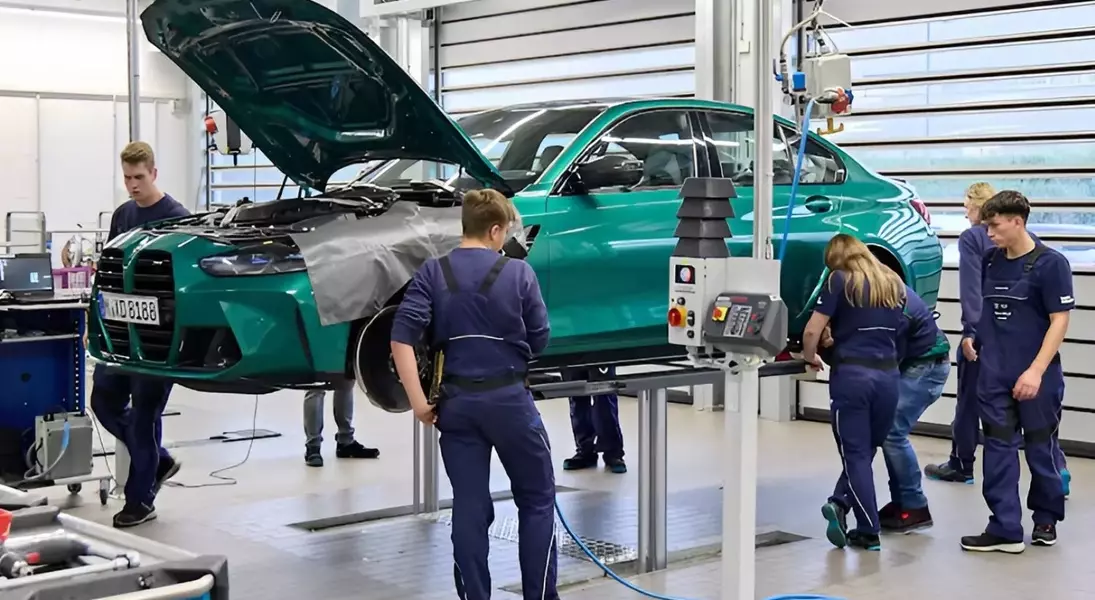
Upon disassembly, the M3's engine components displayed almost no signs of wear. Critical elements like the timing chain guides remained in pristine condition, and there was a complete absence of leaks, hairline cracks, or cylinder wall scratches, a remarkable outcome given the vehicle's aggressive testing regimen. While the clutch showed some heat spots, likely a result of repeated standing start tests, experts determined it retained sufficient life for an additional 30,000 kilometers (18,461 miles). The car's sophisticated infotainment system and electrical components functioned flawlessly throughout the test, and its brakes and suspension systems maintained their integrity despite numerous track sessions. The only reported imperfection was minor creasing on the seats, a cosmetic issue rather than a functional defect.
Auto Bild, known for its rigorous testing protocols spanning over three decades, hailed the M3's performance as nearly flawless. The publication noted that out of almost 200 vehicles tested over 30 years, none had completed the evaluation with such an impeccable record. Intriguingly, the M3 proved more resilient than a standard 3 Series (320d xDrive Touring) also subjected to the same test. The M3 secured the second position among 97 vehicles endurance-tested since 2014, surpassed only by a CNG-powered Audi A3. This outcome is particularly noteworthy considering that a previous Audi RS 4 failed to achieve a perfect score due to issues like a worn guide rail and a leaking crankshaft seal.
In contrast to the M3's stellar performance, traditional reliability leaders such as Toyota and Honda have sometimes faced minor cosmetic corrosion issues in Germany's specific climate conditions during these tests. Mazda and Suzuki, however, have consistently demonstrated strong performance in the "Dauertest," often outranking their Japanese counterparts. For instance, both generations of the Mazda CX-5 have consistently outperformed the Honda CR-V in these evaluations. While individual customer experiences and country-specific factors, including manufacturing location and owner maintenance habits, undoubtedly influence a vehicle's long-term reliability, the M3's performance in this exhaustive test undeniably highlights its impressive capability to withstand extensive use with remarkable dependability.
The exceptional performance of the BMW M3 in Auto Bild's comprehensive 100,000-kilometer endurance test offers a compelling reevaluation of automotive durability, particularly for performance-oriented vehicles. This rigorous examination provides valuable insights for both enthusiasts and everyday drivers. It suggests that high-performance engineering, when meticulously executed, can indeed translate into robust reliability, challenging the common perception that powerful cars are inherently more prone to issues. This serves as a reminder that long-term vehicle ownership satisfaction is not solely dependent on a brand's general reputation, but also on the specific design and build quality of individual models, even under extreme conditions. The M3's success underscores the importance of thorough, real-world testing in revealing a vehicle's true character and enduring capabilities.
