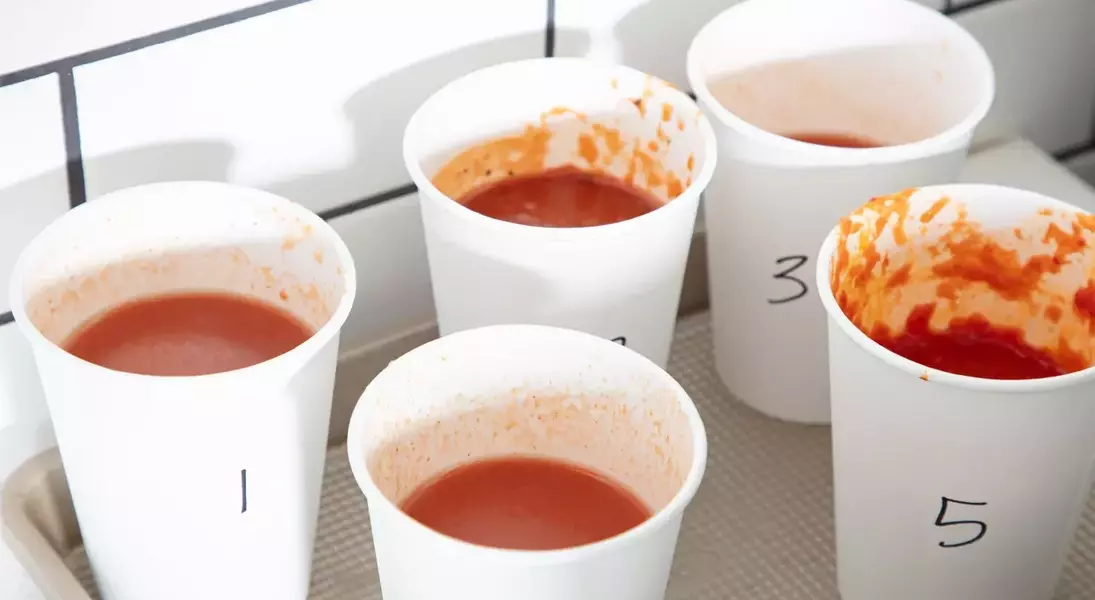

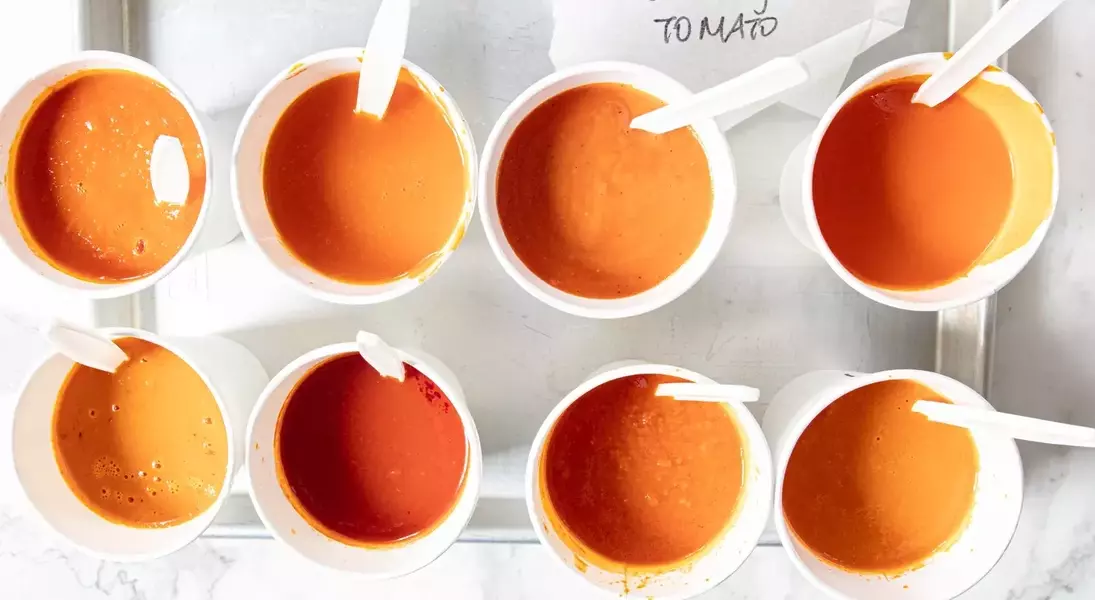
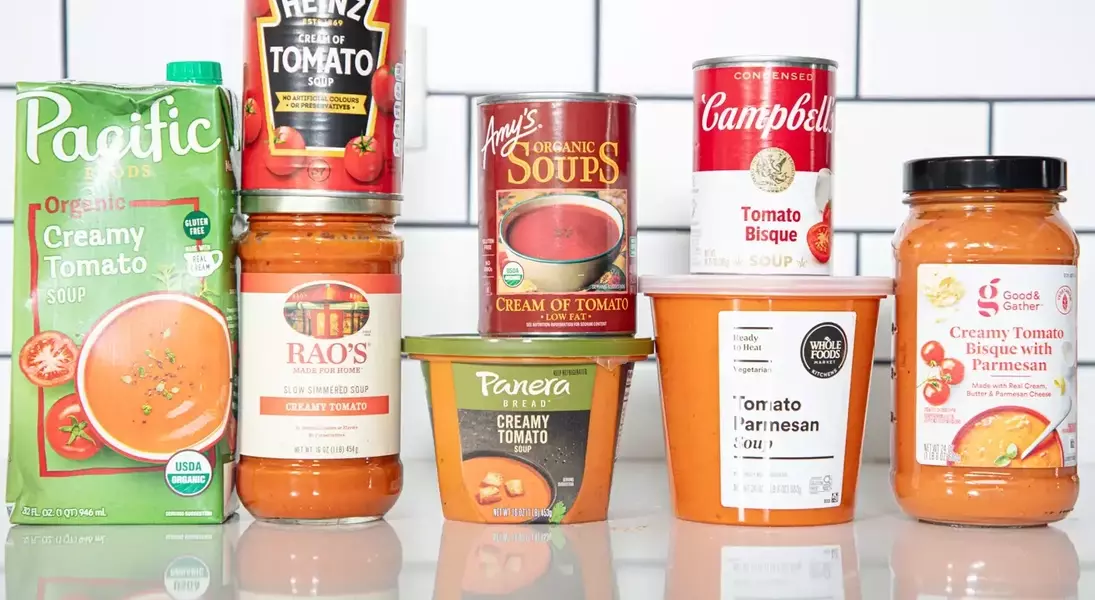
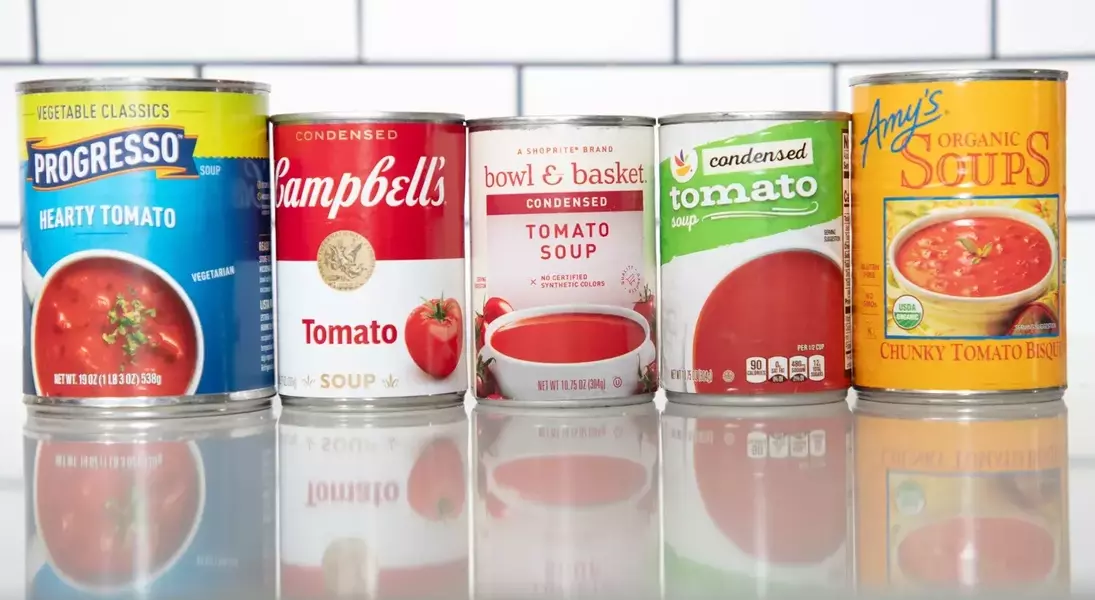
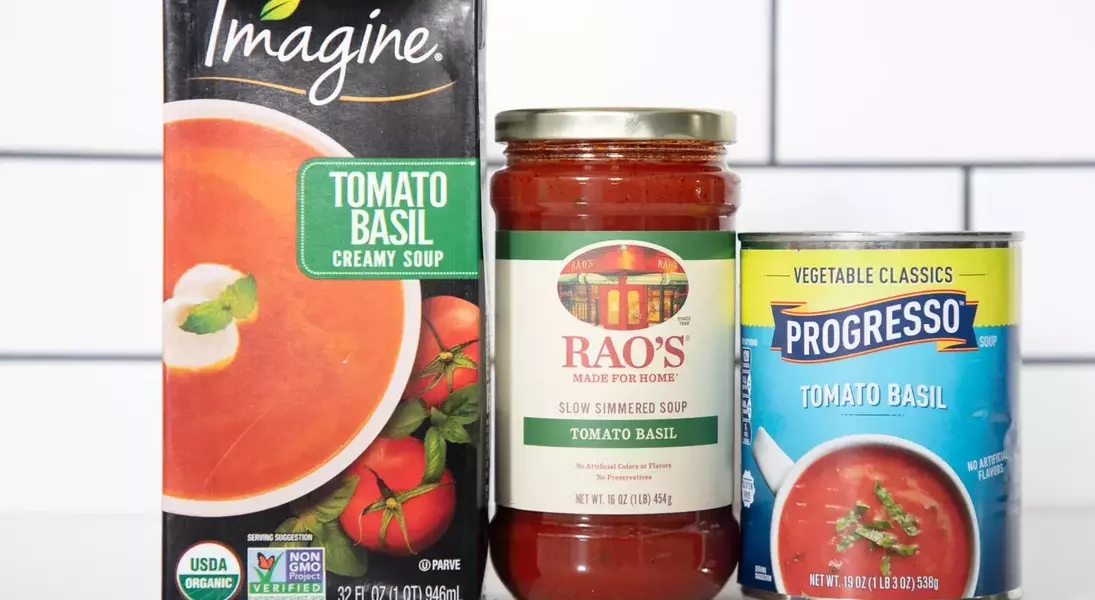
A detailed evaluation was conducted on 16 readily available tomato soup brands from various supermarkets. The selection encompassed different styles, namely classic, creamy, and tomato-basil, to provide a broad comparison. Editors rigorously assessed each soup based on its natural tomato essence, balanced flavor profile—avoiding excessive sweetness, saltiness, or tanginess—and a desirable thick yet pourable consistency, with a preference for minimal chunkiness. The tasters diligently avoided any hints of ketchup, tomato paste, or container-induced flavors, ensuring an objective assessment. Among the varieties tested, Rao's Creamy Tomato Soup emerged as the top choice, praised for its exceptional balance and rich flavor, even by those who typically prefer homemade options. This soup's success was attributed to its Italian tomatoes and a thoughtfully crafted ingredient list, underscoring the brand's expertise in tomato-based products.
Beyond the overall victor, several other brands distinguished themselves across the different categories. Whole Foods Tomato Parmesan Soup was lauded for its robust tomato flavor and satisfying texture, appealing to those who appreciate a heartier consistency. For enthusiasts of classic tomato soup, Progresso Hearty Tomato received commendation for its straightforward and well-balanced taste, despite a minor metallic aftertaste noted by some. In the tomato-basil segment, Progresso Tomato Basil Soup garnered the highest scores, offering a smooth texture with subtle roasted notes, though a slight adjustment in saltiness was suggested for optimal enjoyment. These commendable selections highlight that quality and convenience can indeed go hand-in-hand, making it easier for consumers to find a store-bought option that aligns with their taste preferences.
The findings from this extensive taste test emphasize the nuanced differences among commercially available tomato soups, ranging from ingredient composition to flavor profiles. The preference for creamy varieties was evident, with the inclusion of dairy—such as cream, milk, or cheese—being a key factor in achieving a harmonious blend of sweetness and acidity. This often resulted in a more gratifying experience compared to classic or tomato-basil options, which occasionally suffered from overpowering acidity or an undesirable herbal aftertaste. The meticulous methodology employed, ensuring blind sampling and objective scoring, validates the selections, providing a trustworthy guide for consumers navigating the supermarket aisles. Ultimately, this evaluation champions the pursuit of delicious and comforting food, readily accessible to all, demonstrating that even a pantry staple can be a source of culinary delight.
