
As the academic season approaches, the quest for the ideal student laptop begins, often presenting a perplexing array of choices. This detailed guide aims to demystify the selection process, providing clarity on essential features and recommending top-tier devices suited for diverse educational needs. Focus is placed on critical attributes such as processing power, memory capacity, display quality, and sustained battery performance, ensuring that the chosen device not only meets immediate academic demands but also remains relevant and efficient for several years.
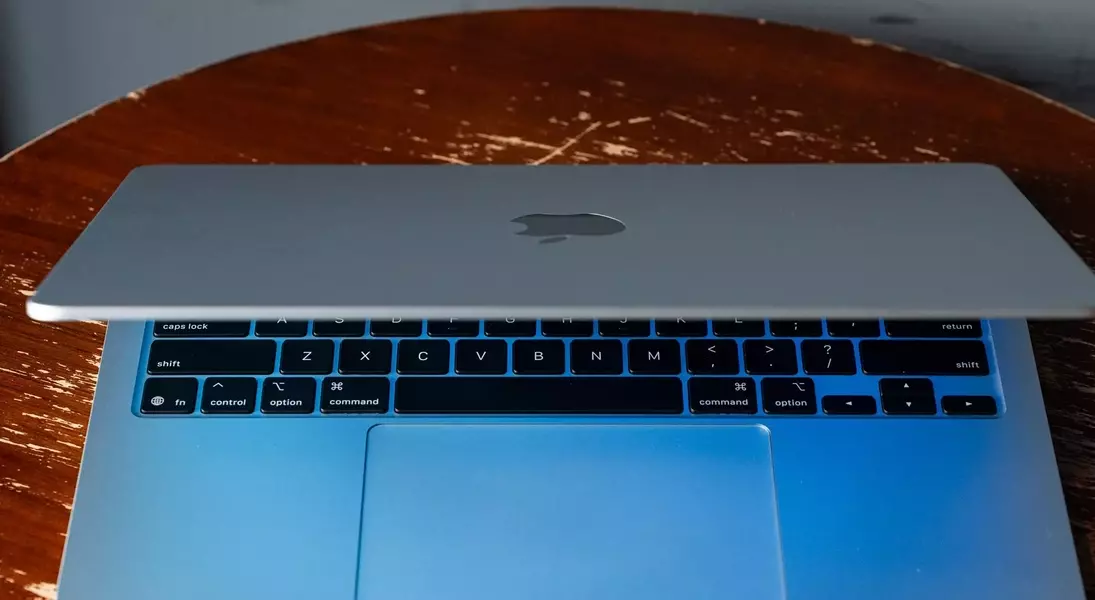
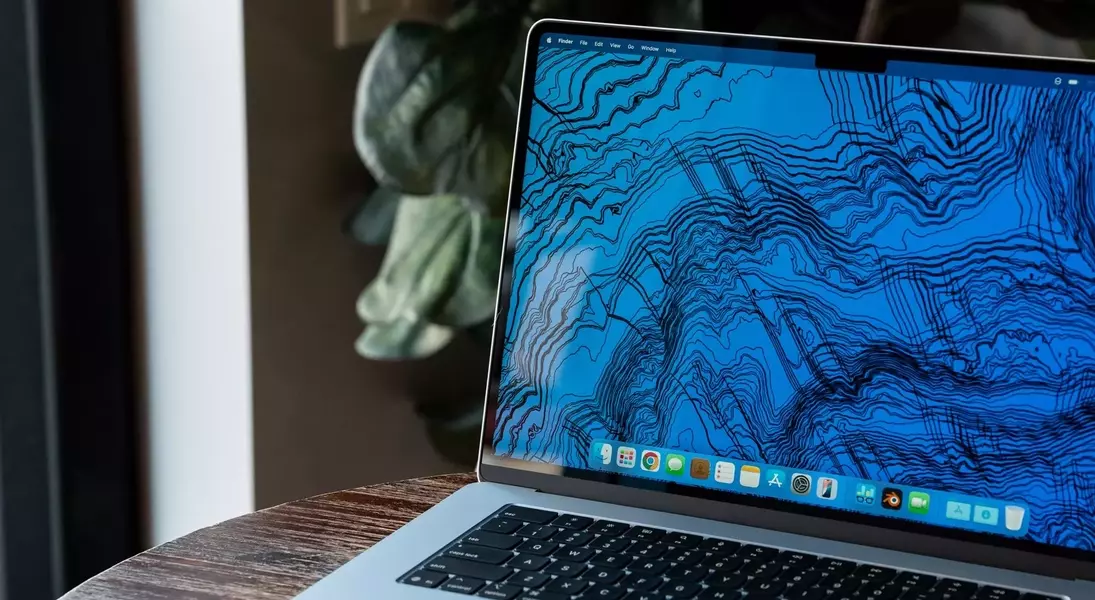
For the majority of students, the Apple MacBook Air, particularly the M4 variant, represents an outstanding balance of speed, build quality, and enduring power. Its proficiency in handling everyday tasks, combined with an exceptional trackpad and prolonged battery life, makes it a prime candidate for high school and undergraduate studies. While base models offer robust performance, a slight upgrade in storage is advisable for enhanced usability, recognizing that post-purchase hardware modifications are not an option for these Apple machines.
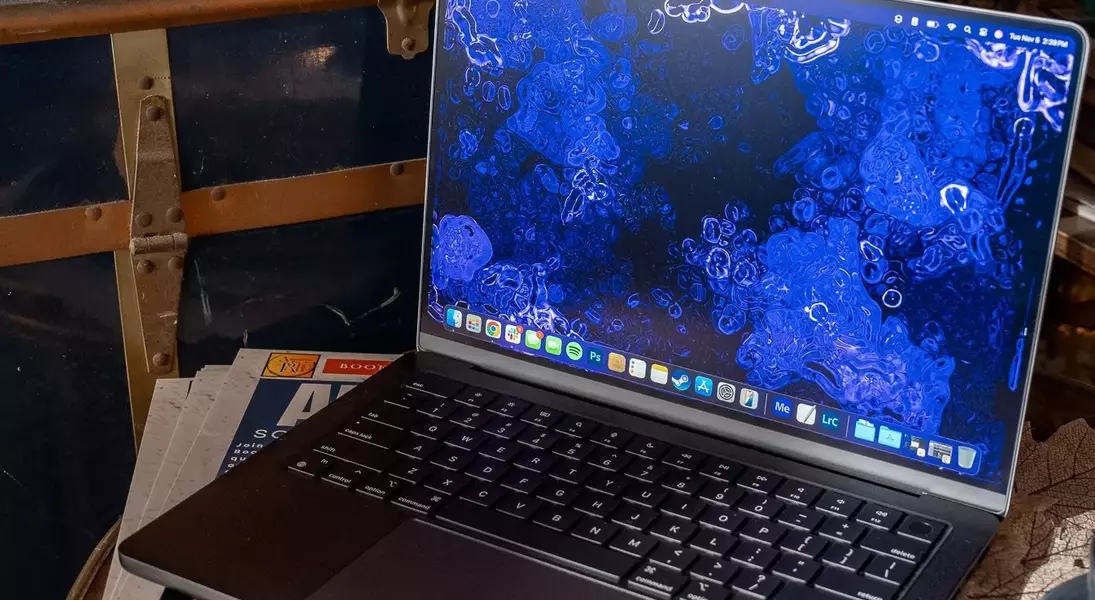
Students pursuing fields requiring intensive graphical or video processing will find the Apple MacBook Pro a more suitable choice. Equipped with similar M4 processors but featuring enhanced cooling systems, superior display technology, and expanded port selections, the MacBook Pro delivers sustained performance for demanding creative applications. Although it comes at a higher price point, its capabilities and longevity justify the investment for those with specialized academic or extracurricular requirements.
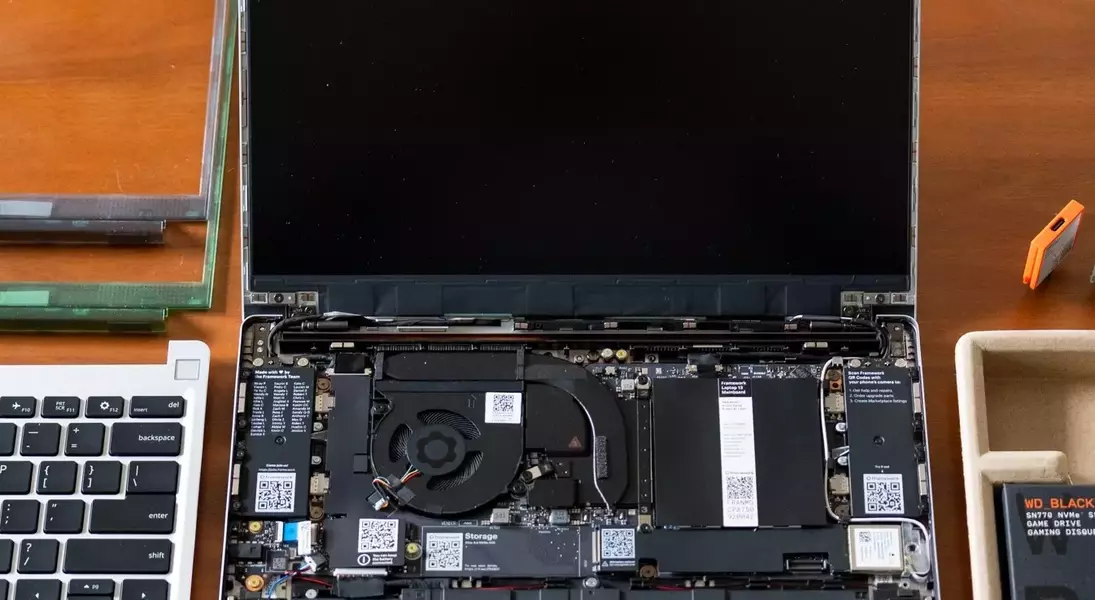
For those who value adaptability and repairability, the Framework Laptop series offers a unique proposition. These modular notebooks allow users to customize and upgrade components such as RAM, storage, and even the mainboard, extending the device's lifespan significantly. This platform caters to individuals who enjoy understanding and modifying their technology, providing a hands-on experience along with practical benefits like interchangeable ports. While the initial investment might be higher than some counterparts, the potential for long-term savings through self-upgrades is substantial.
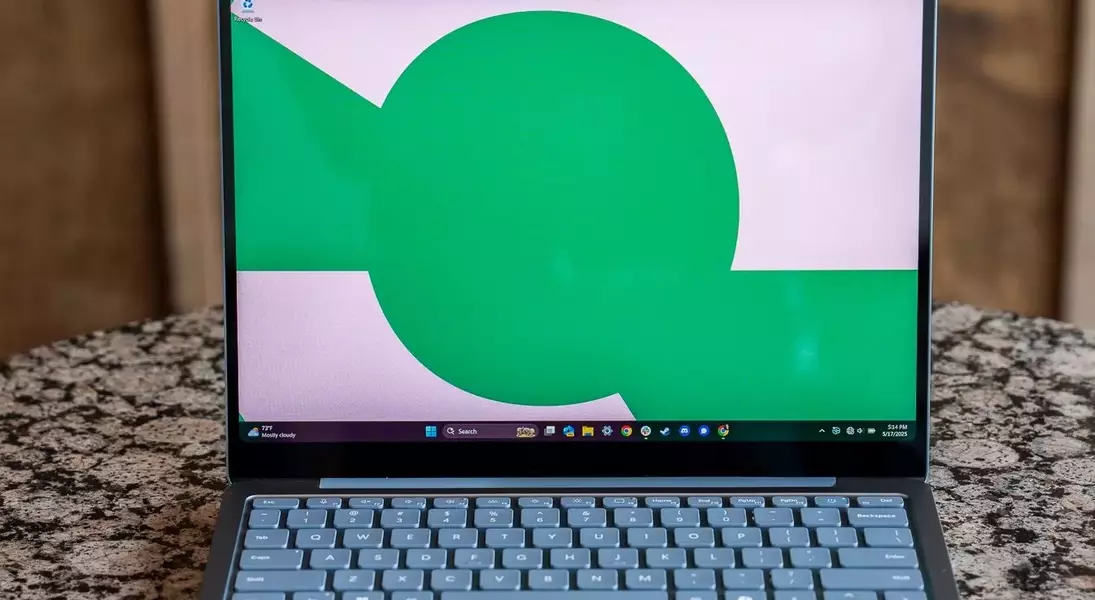
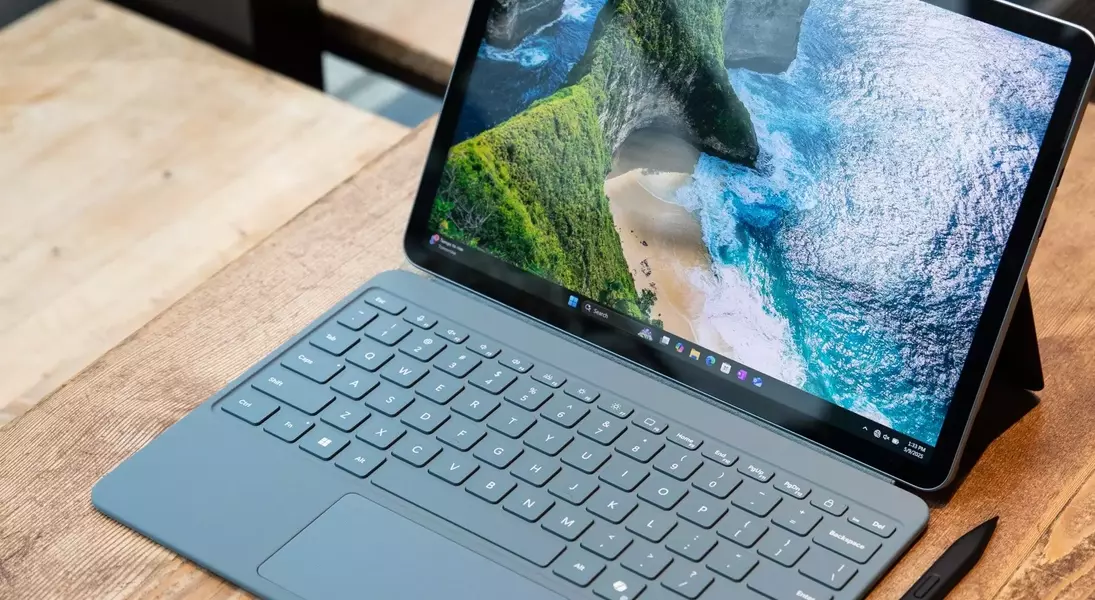
Windows users seeking exceptional battery performance and portability should consider Microsoft's latest Surface devices. Both the Surface Laptop and Surface Pro, powered by ARM-based processors, offer remarkable battery longevity and impressive standby times, making them ideal companions for a full day of classes without needing a recharge. While some application compatibility nuances exist due to their ARM architecture, most widely used programs run seamlessly. The choice between these two largely depends on preferred form factor: a traditional clamshell or a versatile 2-in-1 tablet.
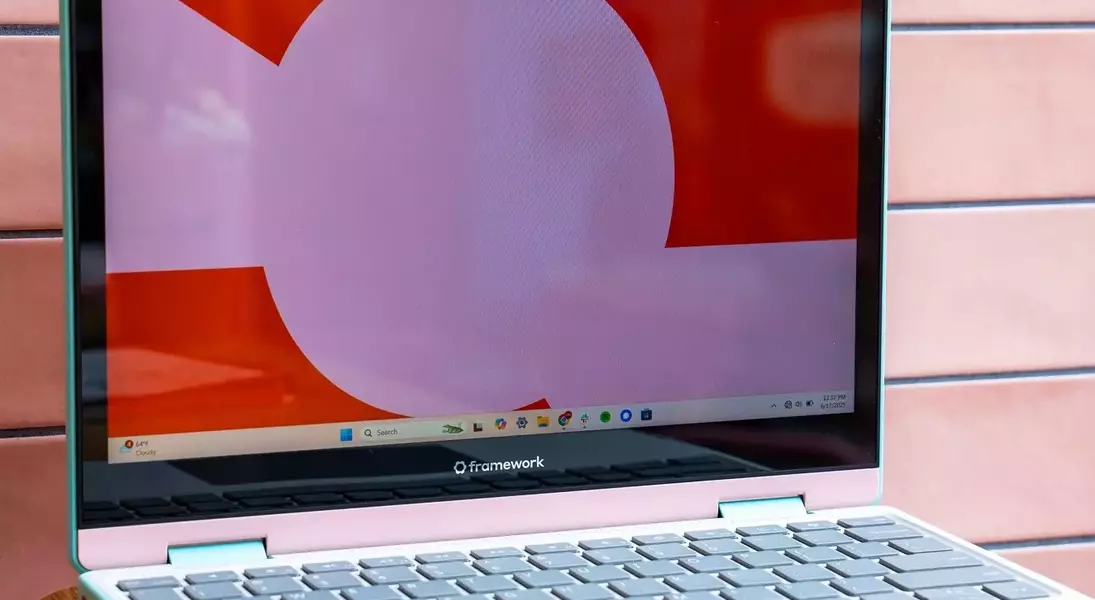
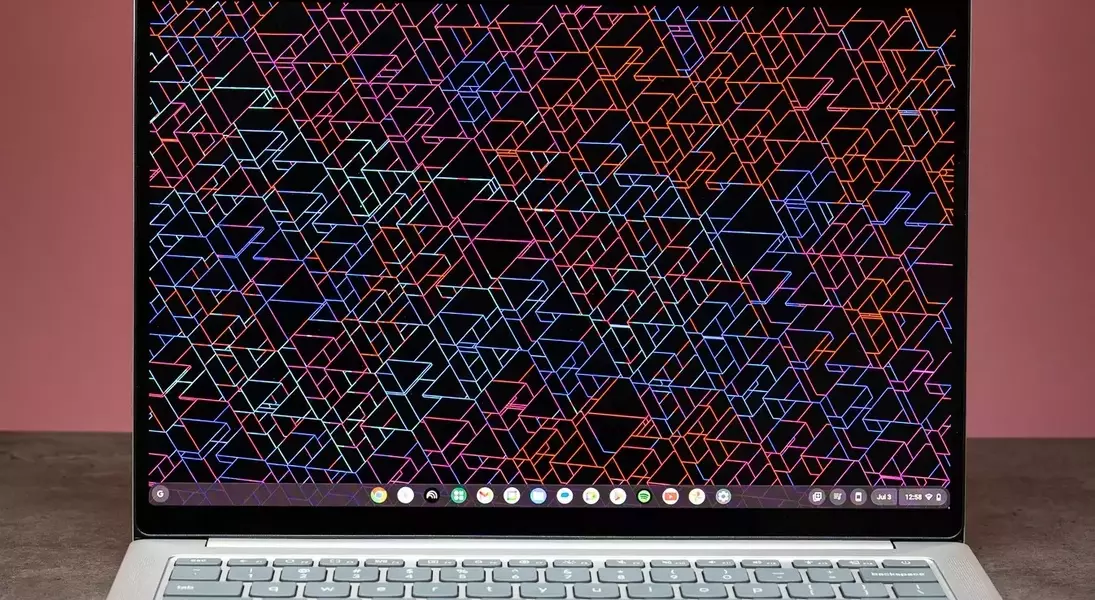
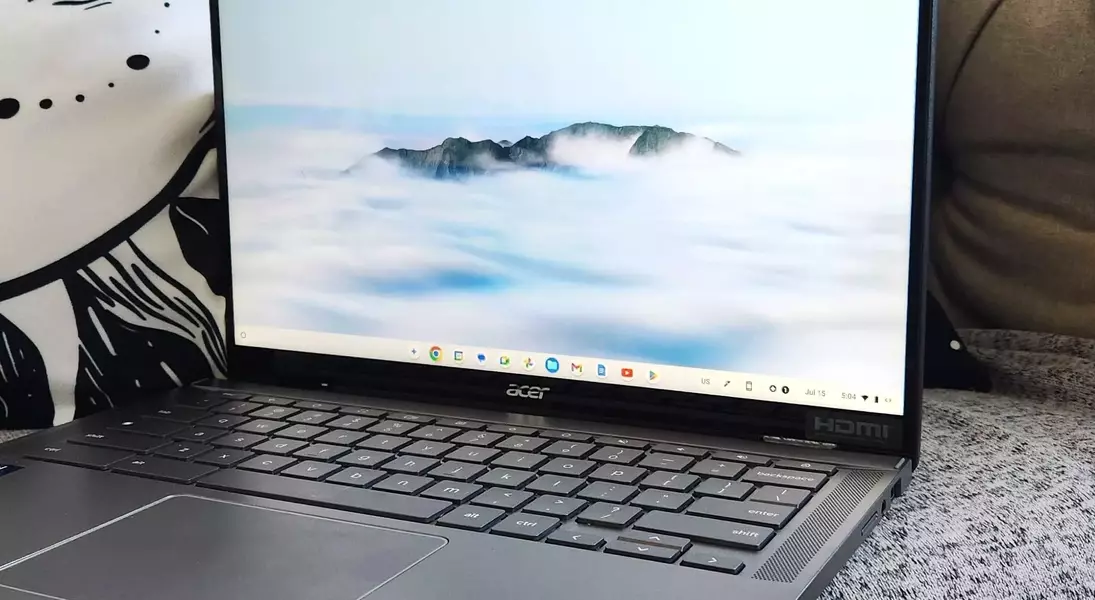
For students immersed in the ChromeOS ecosystem, the Lenovo Chromebook Plus 14 stands out as a leading option. Its stunning OLED display, comfortable keyboard, and outstanding battery life deliver a premium experience at a competitive price. Despite minor limitations in USB port speeds and potential compatibility issues with some Linux applications, its overall performance and silent operation make it an excellent choice for general academic use. Alternatively, the Acer Chromebook Plus Spin 714 provides a versatile 2-in-1 convertible design with strong performance and Thunderbolt 4 support, especially appealing when found at discounted rates.
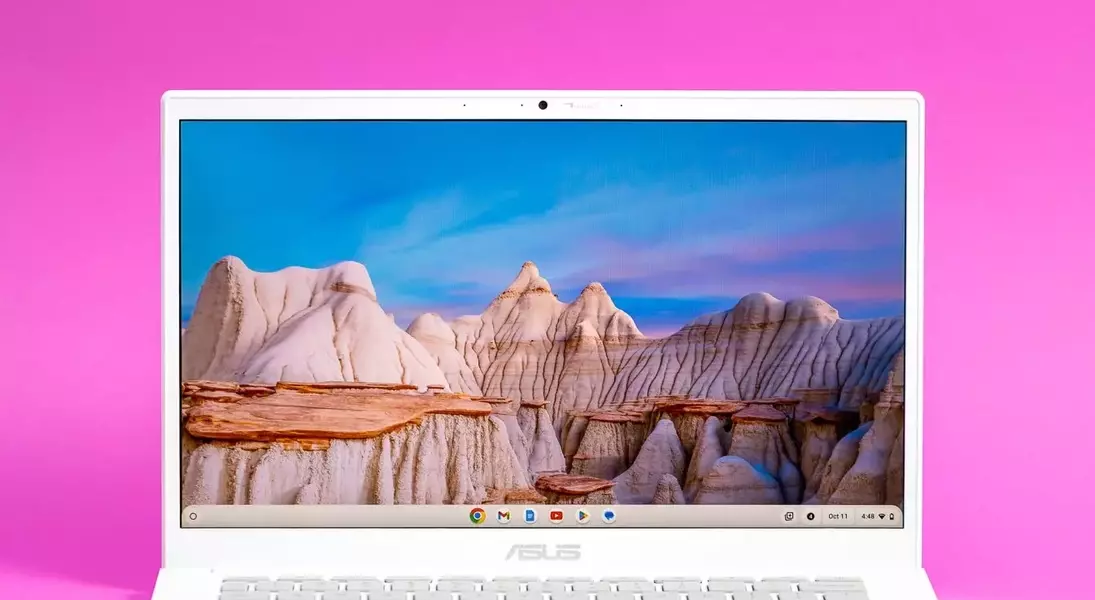
Budget-conscious buyers looking for a dependable Chromebook can turn to the Asus Chromebook Plus CX34. Meeting the "Plus" performance standards, this model offers solid build quality, a sharp display, and reliable battery life at an affordable price, particularly when on sale. Its robust construction and spill-resistant keyboard offer peace of mind for younger users, making it a pragmatic choice for elementary or middle school students.
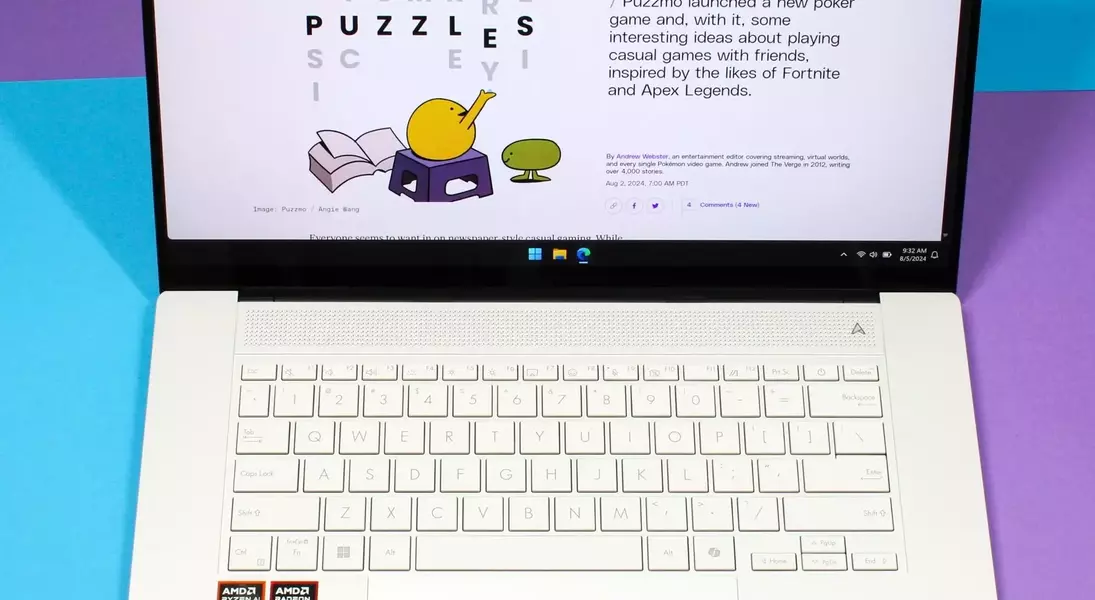
For advanced Windows users desiring a larger screen for multitasking and demanding tasks, the Asus Zenbook S 16 presents a compelling option. Featuring powerful AMD processors and a vibrant OLED touchscreen, this thin and lightweight 16-inch laptop is well-suited for high school or college students who require ample screen real estate and strong performance. Although its battery life is not as extended as some other models, it is generally sufficient for a typical academic day.
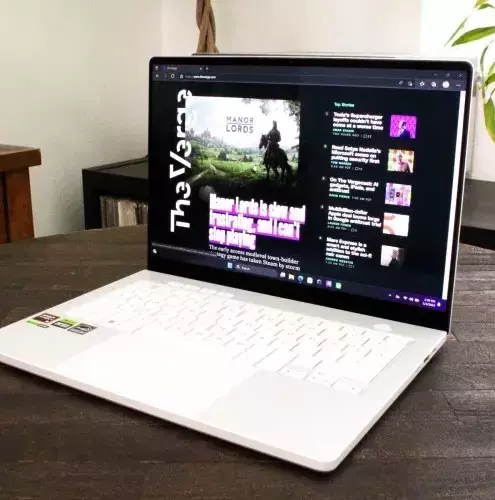
Finally, for the disciplined student who can balance work and leisure, the Asus ROG Zephyrus G14 is an excellent gaming laptop that also serves as a capable academic tool. Its discreet design, strong battery life during productivity tasks, and robust gaming performance make it a versatile machine for both schoolwork and entertainment. While it represents a significant investment, it offers a high-quality display, comfortable input devices, and sufficient power for a wide range of activities.
Ultimately, selecting a laptop for educational purposes involves balancing performance, portability, and budget. By carefully evaluating specific needs and considering the unique strengths of each recommended model, students and their families can choose a device that will support their academic success and technological endeavors for years to come.
