
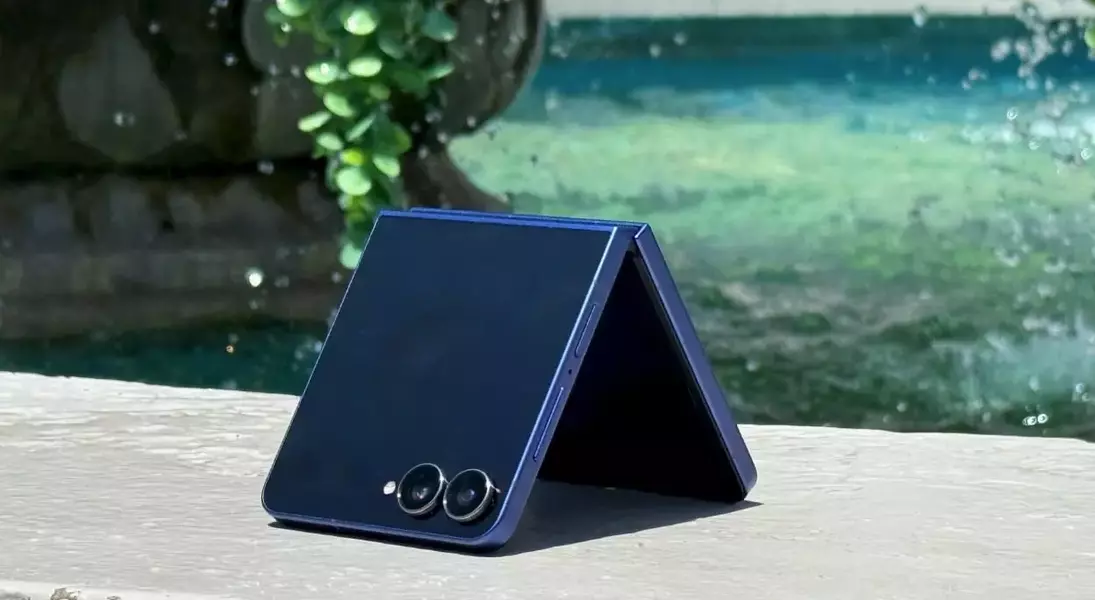

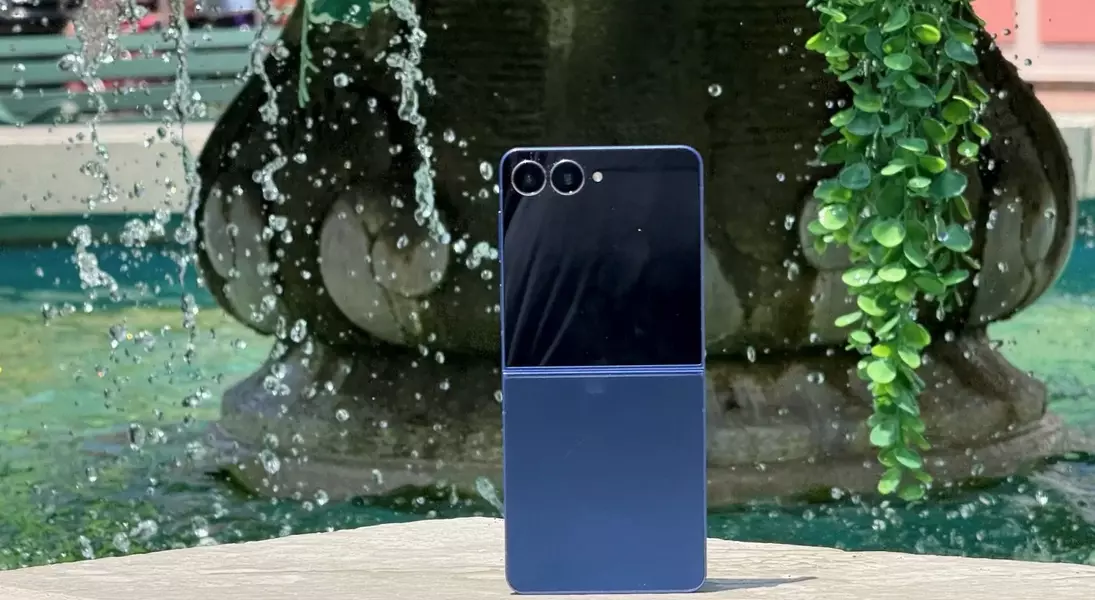
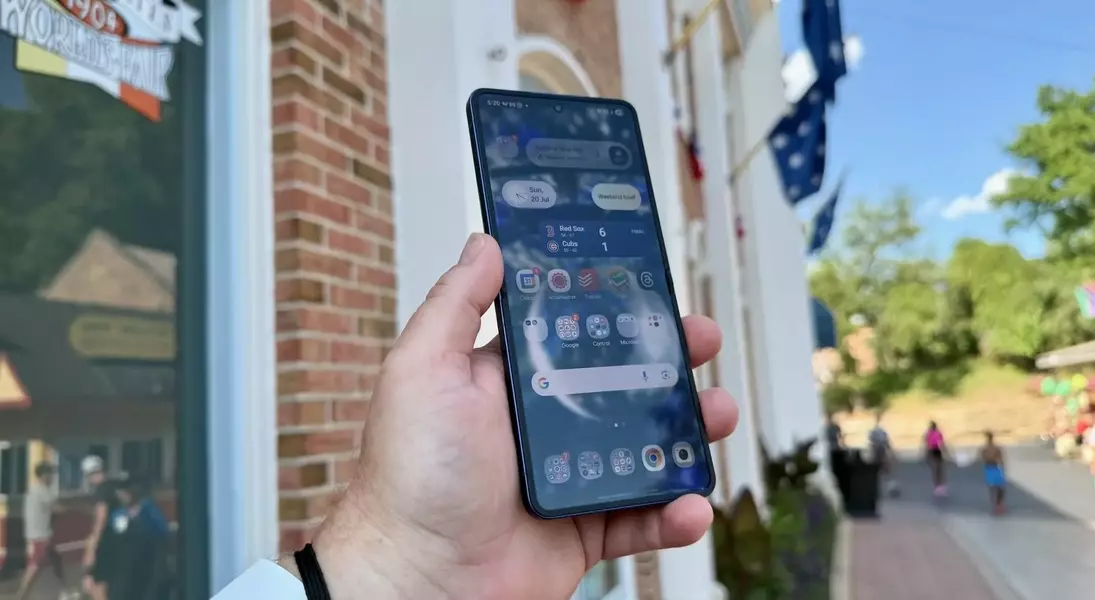







The Samsung Galaxy Z Flip 7 emerges as a compelling device in the foldable smartphone arena, presenting a blend of sophisticated design and innovative functionality. It addresses some prior user concerns with a larger, more interactive external display, signifying Samsung's dedication to refining the foldable experience. Despite its strengths, the decision to exclusively integrate the Exynos processor across all global variants raises questions about potential performance differences compared to the traditionally favored Snapdragon chips in U.S. models. Nevertheless, the phone's robust build, enhanced AI capabilities, and adaptable Flex Mode position it as a strong contender, offering a unique and engaging user experience that justifies its premium price point. Its ability to seamlessly transition between compact portability and a full-screen interface, combined with advanced camera features and a surprisingly resilient battery, highlights its appeal to those seeking both style and substance in their mobile technology.
Ultimately, the Galaxy Z Flip 7 redefines expectations for flip-style foldables. Its significant advancements, particularly in the external display and integrated AI, make it a desirable choice for consumers eager to embrace the future of mobile technology. While the software experience on the cover screen could be more intuitive and the choice of processor might deter some power users, these aspects are minor drawbacks against a backdrop of overall innovation. The phone's design, versatility, and the joy it brings through its unique form factor solidify its position as a leading device, prompting a fresh wave of competition in the foldable market that will ultimately benefit the consumer.
Revolutionizing the External Display Experience
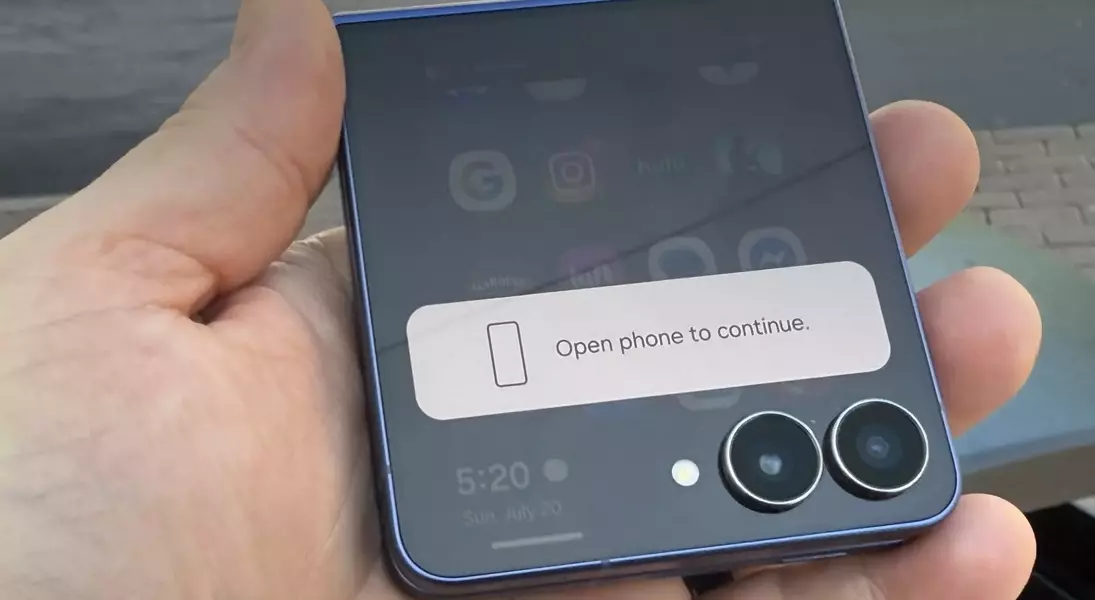
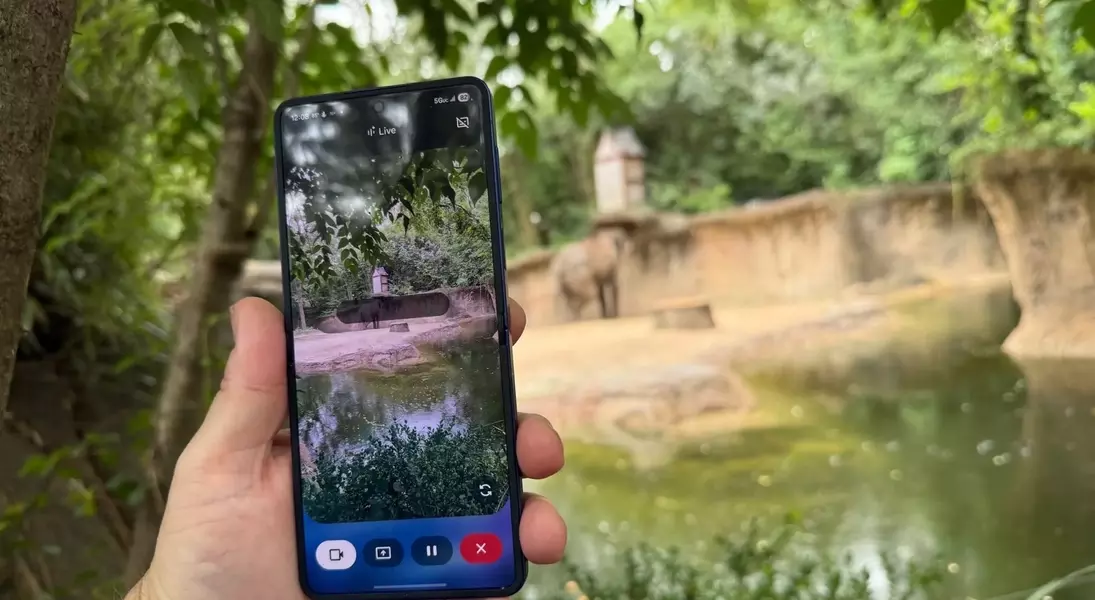
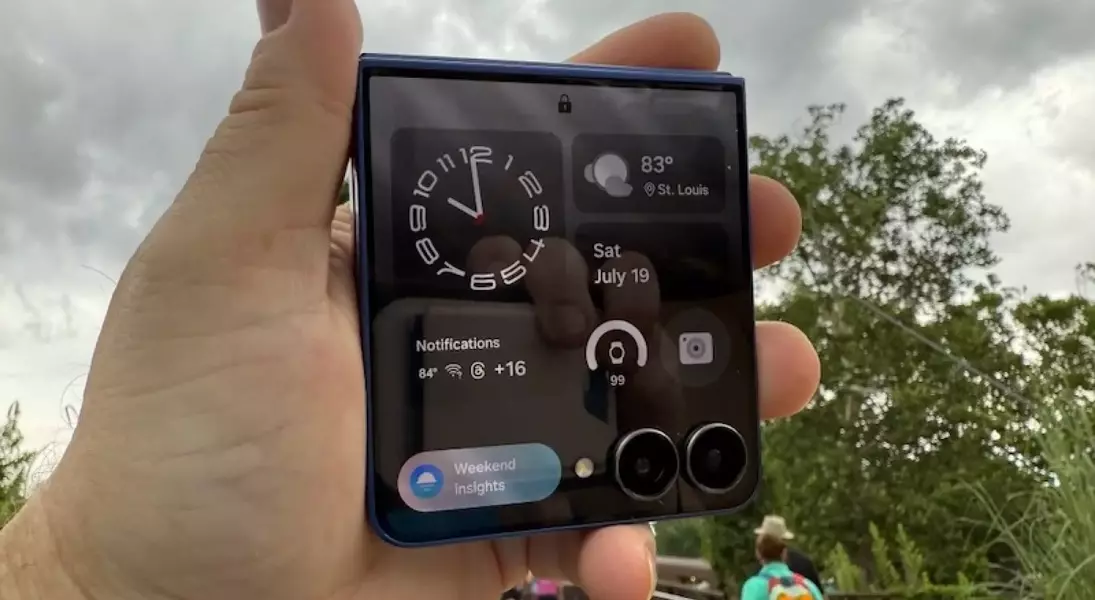
The Samsung Galaxy Z Flip 7 marks a significant leap forward in foldable phone design, primarily through its impressive 4.1-inch external display, a vast improvement that greatly enhances the device's utility without needing to unfold it. This larger, vibrant screen, dubbed the FlexWindow, offers an unparalleled visual experience with its high brightness and smooth refresh rate, bringing a new dimension to how users interact with their device. This is a strategic move by Samsung to make the external display a fully functional interface rather than just a notification panel. However, maximizing its potential requires navigating a somewhat convoluted setup process, including enabling apps through a hidden "Labs" section and installing a separate app, which might pose a hurdle for less tech-savvy users. The company's reluctance to fully integrate third-party keyboard support on this screen also presents a minor inconvenience, limiting voice typing options and occasionally prompting users to open the phone for continuation, hinting at Samsung's preference for a controlled user experience on the FlexWindow. Despite these minor frustrations, the sheer convenience and visual appeal of the enlarged external display significantly elevate the Z Flip 7's user experience, particularly for quick tasks, notifications, and even interacting with AI assistants like Gemini.
This expanded external display transforms how users engage with their device, enabling immediate access to crucial information and applications without the need to constantly flip open the phone. The vivid AMOLED panel, boasting impressive peak brightness and a fluid 120 Hz refresh rate, ensures that content looks sharp and vibrant, whether checking messages, controlling music, or utilizing AI features. Although Samsung's approach to app integration on this screen is somewhat restrictive, requiring users to delve into advanced settings and install additional software, the capability to run a wide array of applications directly from the Cover Screen greatly enhances its practicality. This includes seamless interaction with AI features such as Gemini, providing instant access to information and functionalities that were previously confined to the main internal display. The design also benefits from ultra-thin bezels, offering a more immersive view. Furthermore, the external display's robustness and integration with the phone's overall functionality showcase Samsung's commitment to pushing the boundaries of foldable technology, offering a user experience that is both innovative and highly functional, despite the occasional software-imposed limitations. The enhanced cover screen solidifies the Z Flip 7's position as a truly versatile and user-centric foldable device.
Performance and Camera Prowess in a Foldable Form Factor
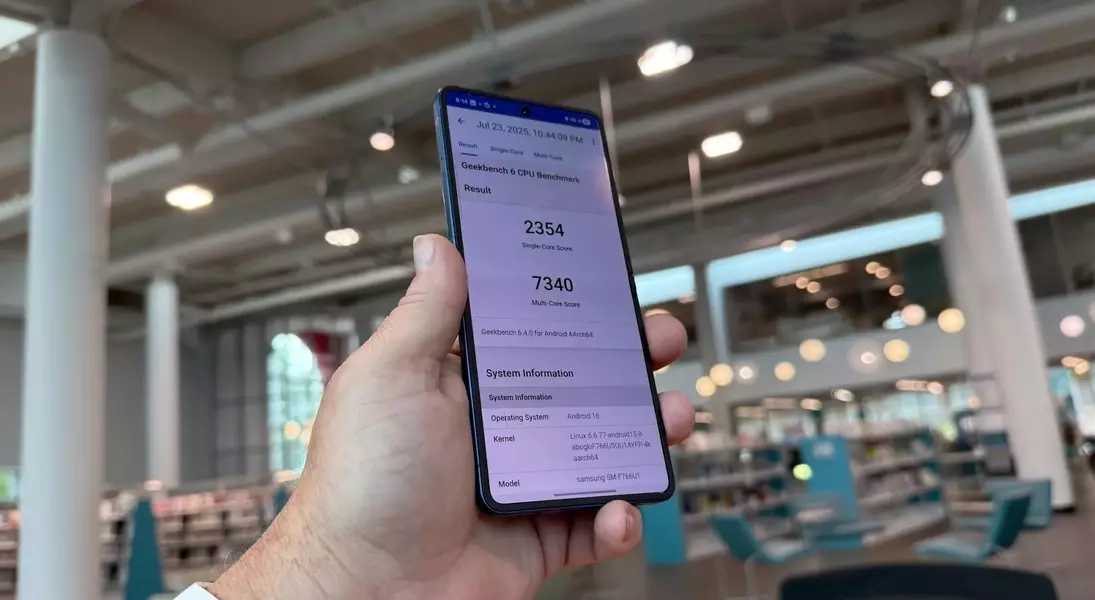
The Samsung Galaxy Z Flip 7 delivers a compelling performance package, powered by the latest Exynos 2500 processor, which, despite being Samsung's proprietary silicon, holds its own against competitors in daily use. While benchmark comparisons indicate a slight edge for Snapdragon processors found in other premium devices, the Exynos 2500 ensures smooth operation for most tasks, from multitasking with the innovative 90:10 split-screen feature to utilizing DeX mode for a desktop-like experience. The phone's hardware design is equally impressive, featuring a durable armor aluminum casing and a re-engineered hinge that provides a satisfying tactile response upon closing, enhancing both its robustness and user satisfaction. This thoughtful engineering contributes to a compact and convenient form factor that makes single-handed operation and carrying a breeze. The device also boasts a long-lasting battery, providing sufficient power for a full day's use, especially when leveraging the efficient external display for lighter tasks, minimizing the need for frequent recharges and enhancing overall portability.
The camera system on the Galaxy Z Flip 7 is designed for versatility and high-quality imaging, particularly excelling in well-lit environments. Equipped with a 50MP main camera and a 12MP ultra-wide lens, it captures vibrant and detailed photos. A notable advantage of the foldable design is the ability to use the external screen as a preview for selfies taken with the main camera, leveraging the phone's rigid hinge as a self-standing tripod, which opens up creative photographic possibilities. While performance in low-light conditions can be inconsistent, often resulting in noticeable grain, the camera still manages to produce usable images, especially when subjects remain still. The phone's software, OneUI 8.0, built on Android 16, introduces advanced multitasking capabilities like the 90:10 split-screen, optimizing the foldable display for enhanced productivity. Features such as Flex Mode, which adapts app interfaces when the phone is partially folded, and DeX support, transforming the phone into a PC-like experience, further underscore the Z Flip 7's commitment to a seamless and innovative user experience. These features, combined with decent battery life and refined hardware, position the Galaxy Z Flip 7 as a strong contender in the evolving foldable phone market.
