


Emerging from the haze of jetlag and returning to the mundane weather, the Consumer Electronics Show (CES) 2026 has concluded, leaving behind a trail of technological marvels. While the exhibition saw a deluge of artificial intelligence (AI) announcements, often overshadowing consumer-centric innovations, a dedicated pursuit revealed an array of thrilling gaming equipment that promises to redefine player experiences.
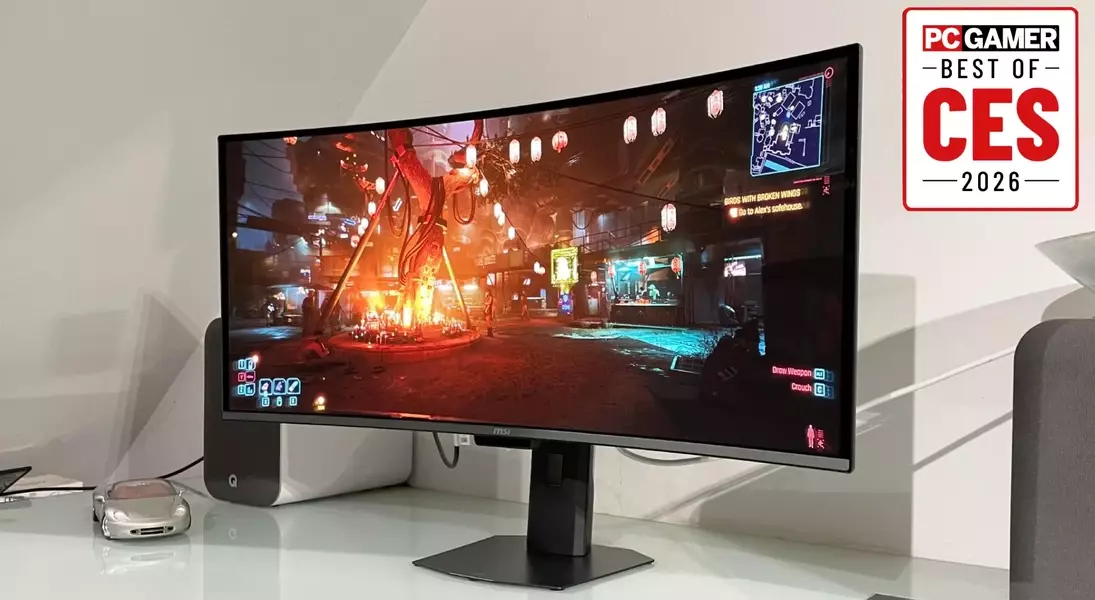
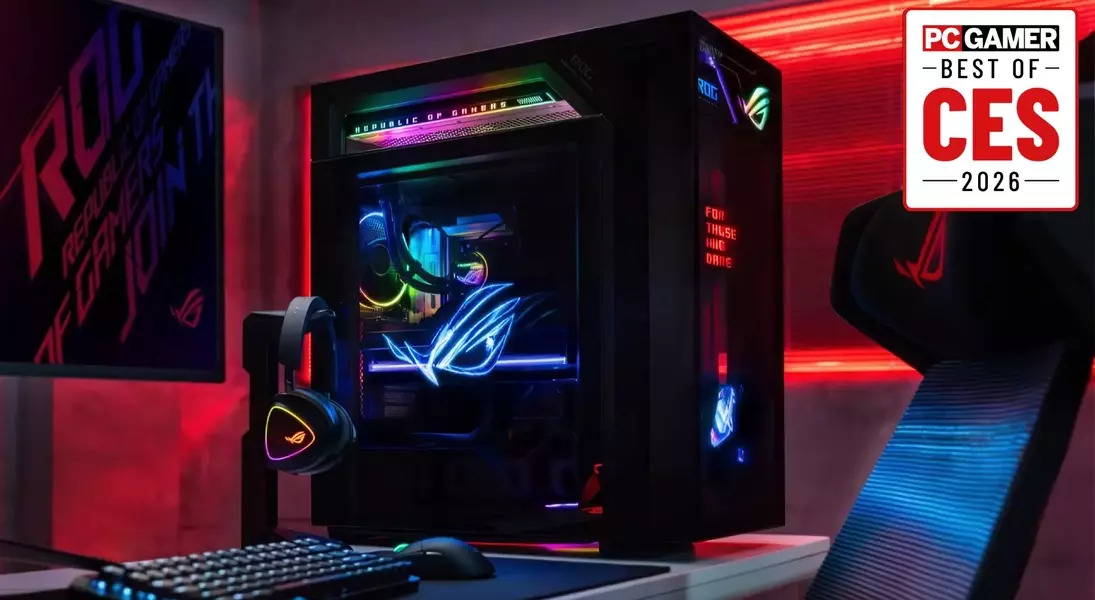
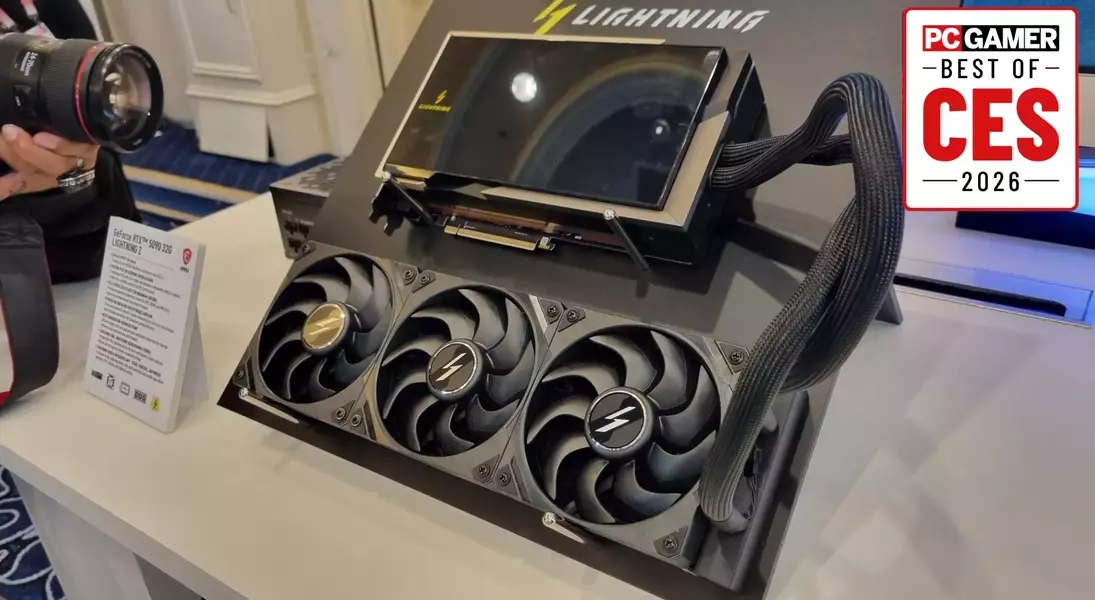
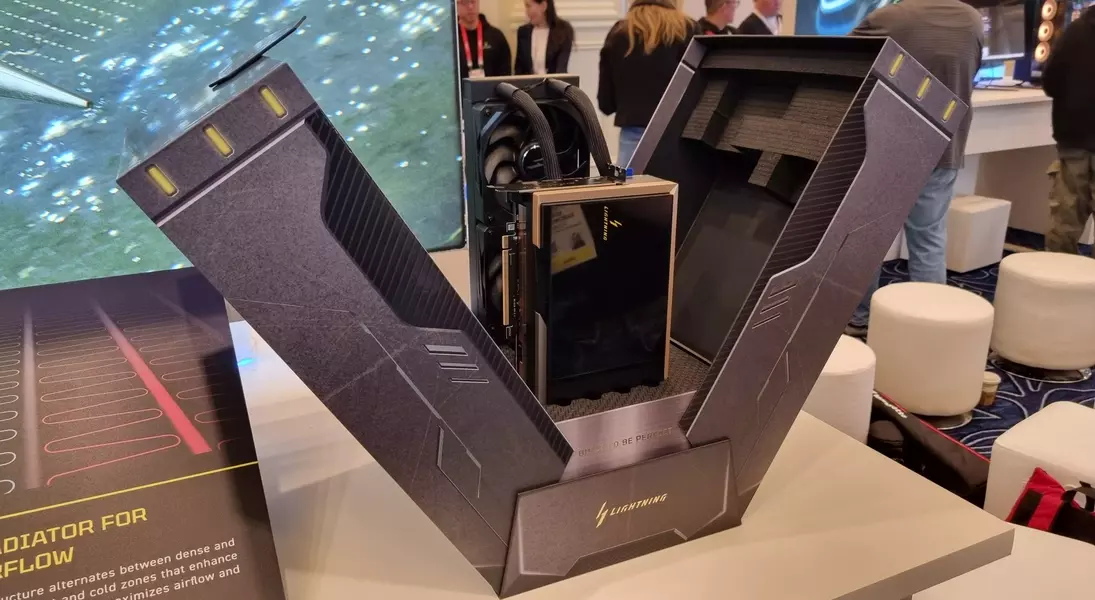
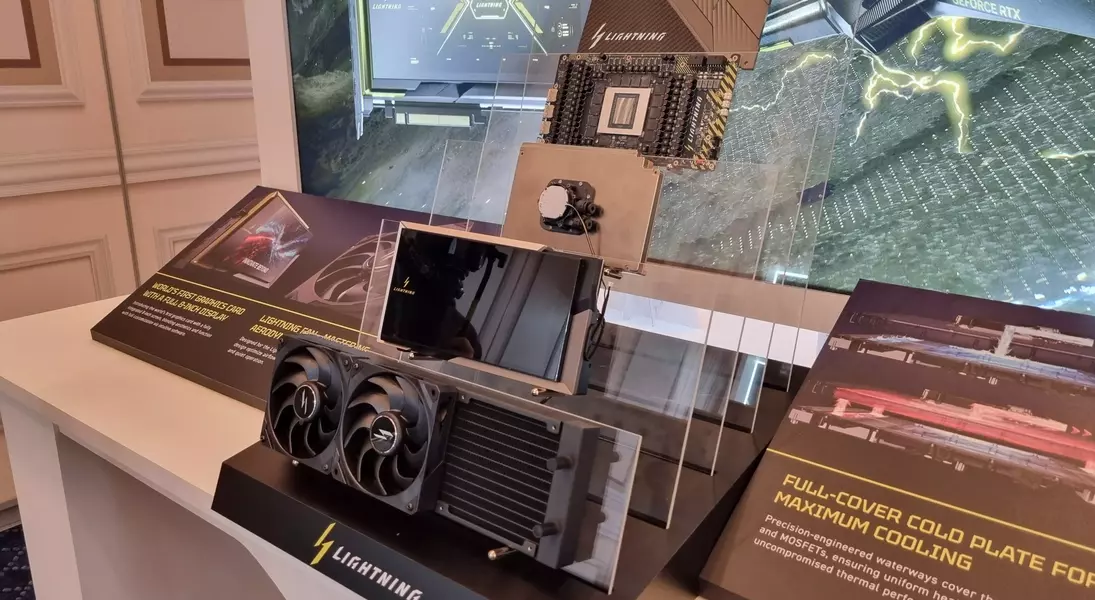
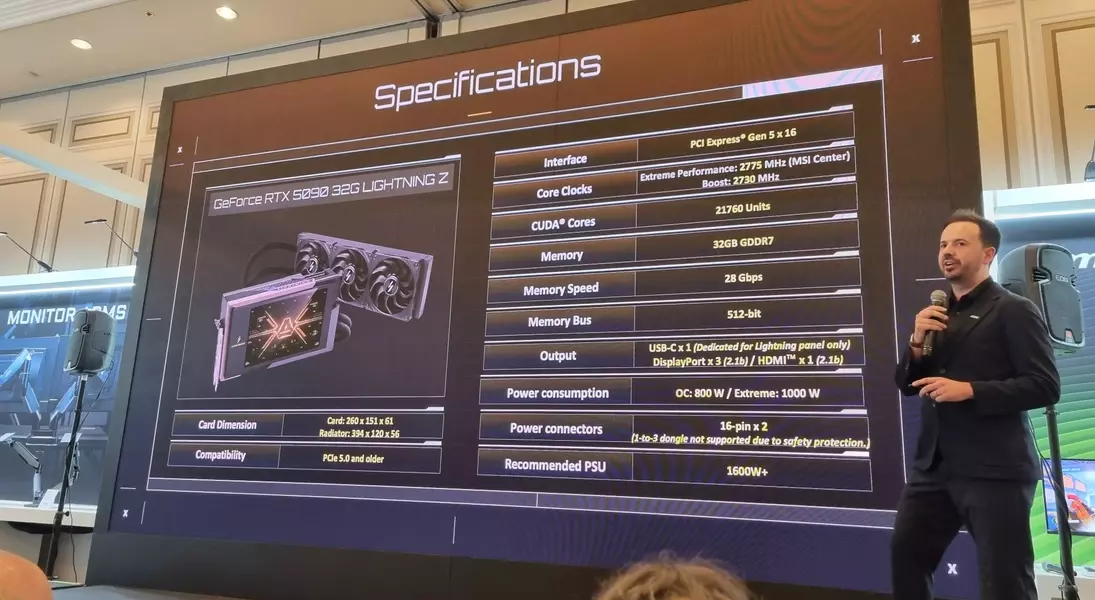
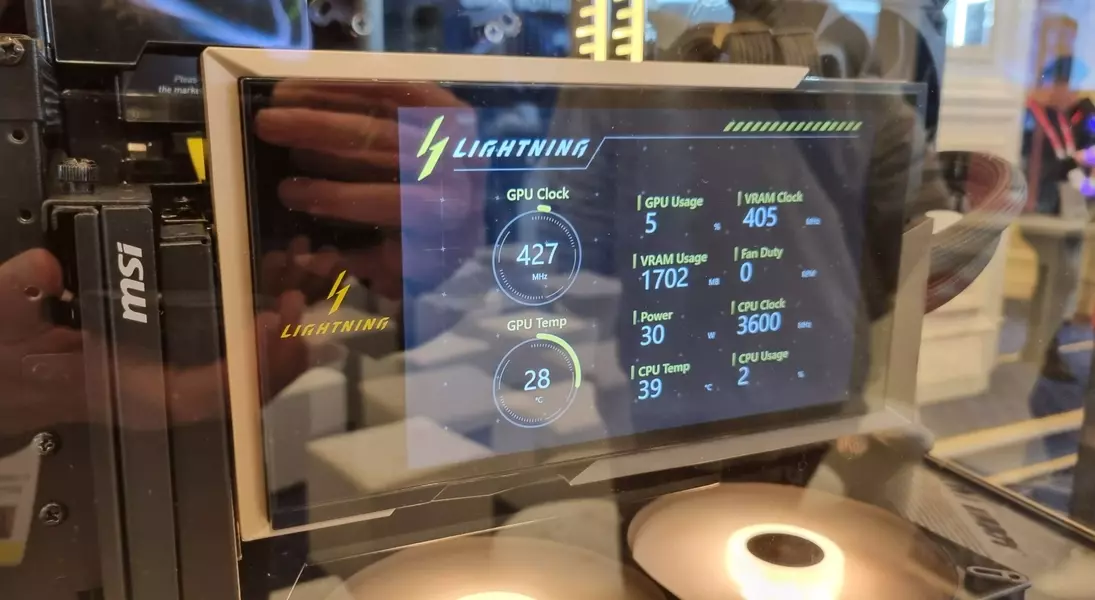
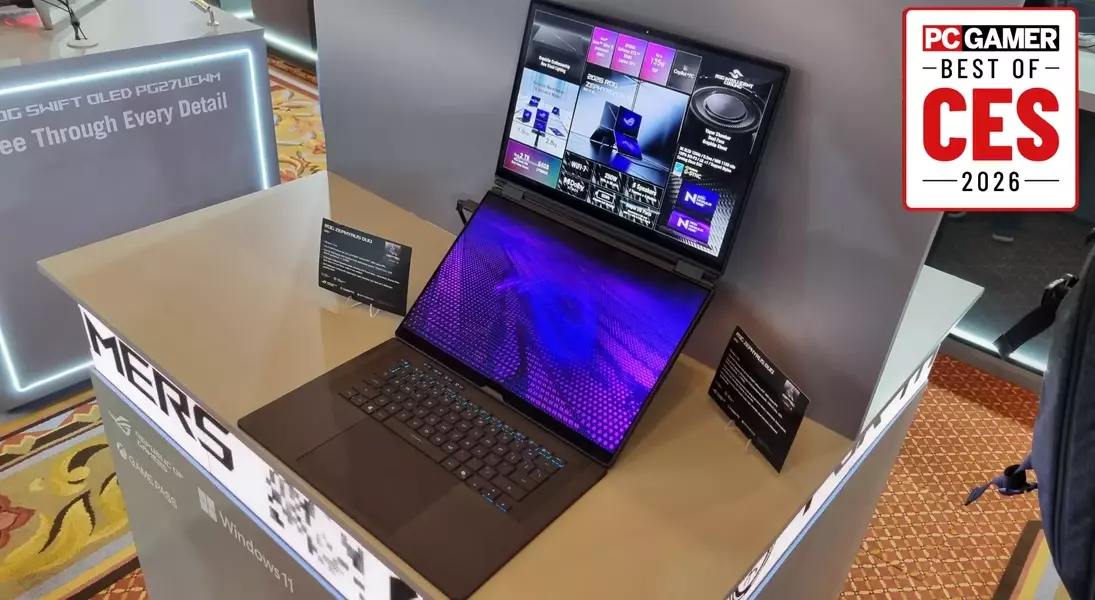
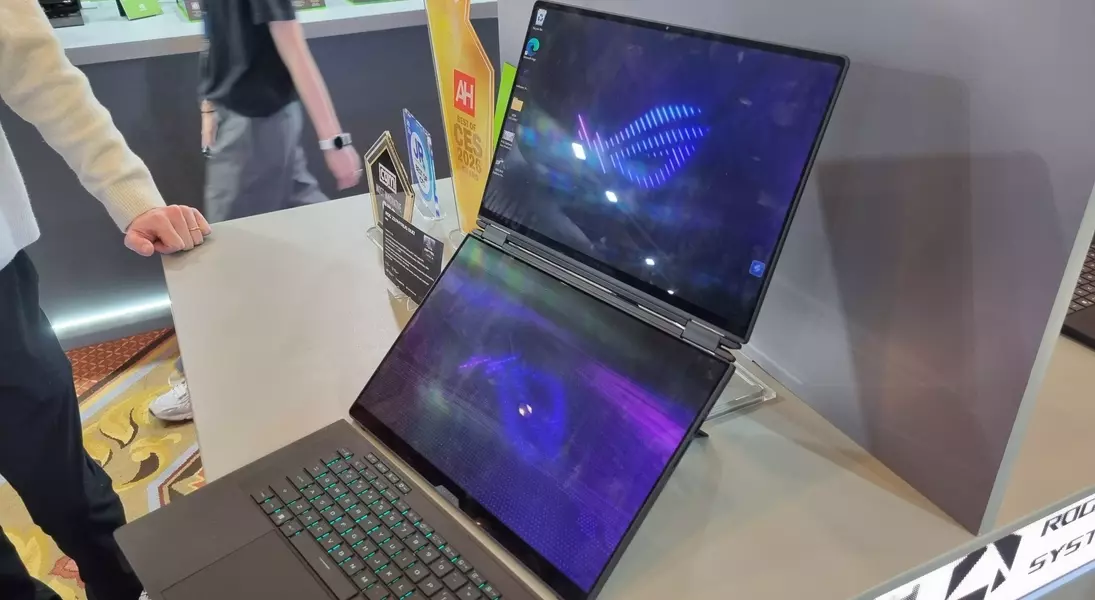
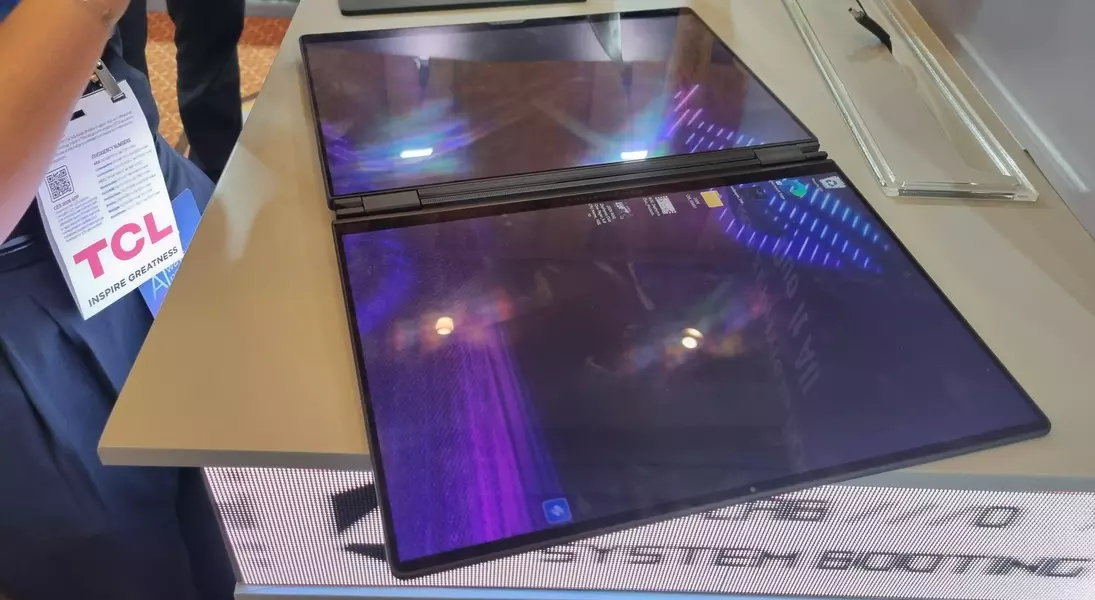
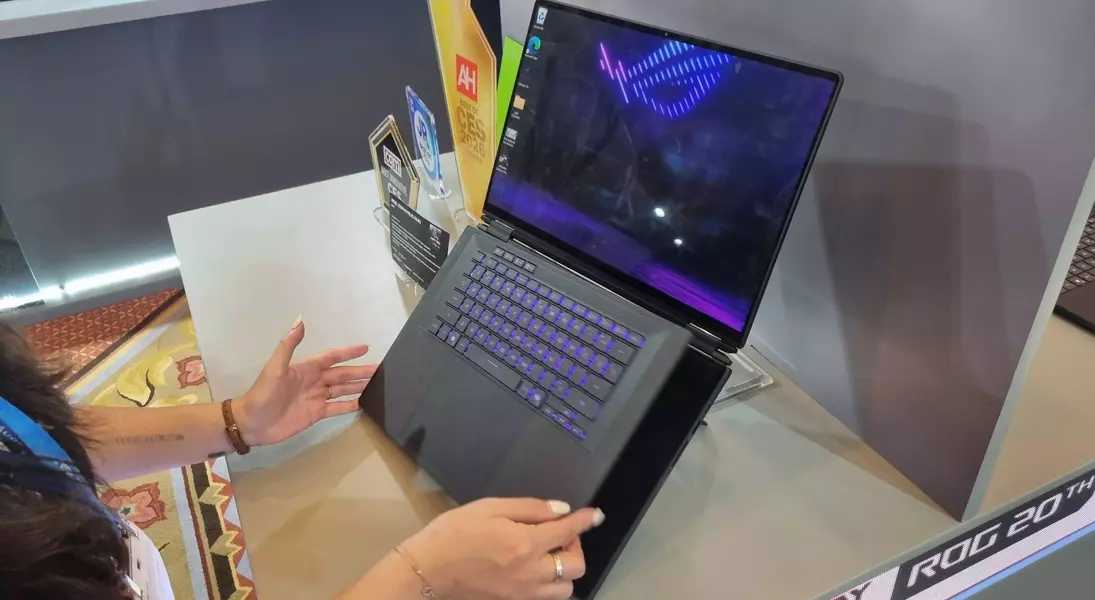
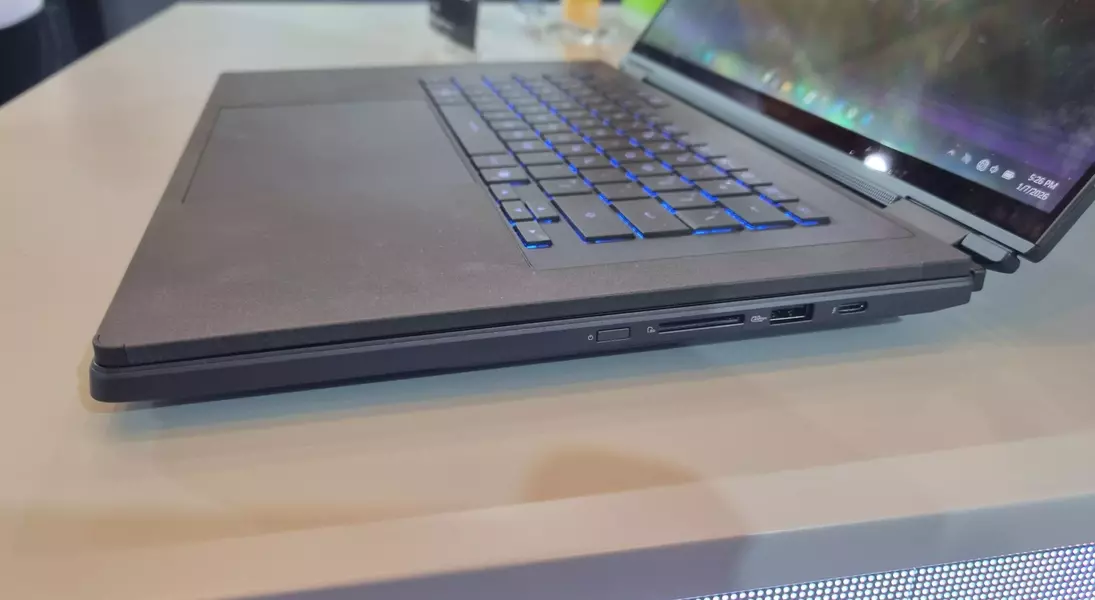
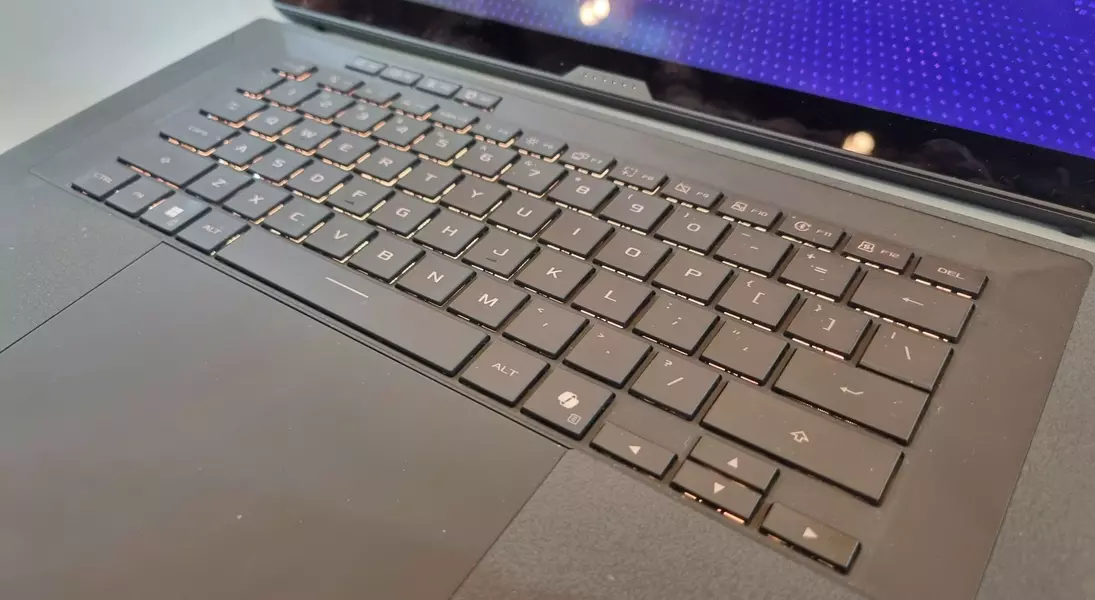
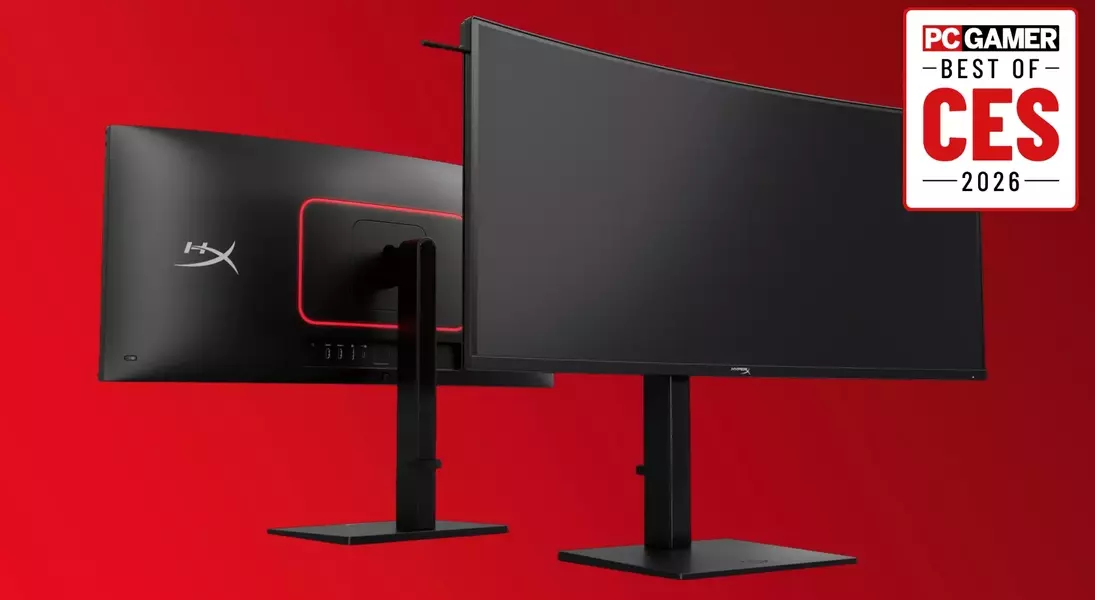
Among the standout revelations were breakthroughs in display technology, exemplified by MSI's MPG 341CQR QD-OLED X36 gaming monitor. This device integrates a fifth-generation Samsung QD-OLED panel, featuring a vertical RGB stripe pixel arrangement. This innovation dramatically enhances font rendering and text clarity, addressing a significant drawback of previous OLED monitors. Although pricing and concerns about screen burn-in remain factors, the advancements in visual fidelity were universally lauded by experts. Furthermore, Asus unveiled the colossal ROG G1000 gaming PC, a system that not only impresses with its sheer size but also integrates three holographic fan displays, creating a captivating visual spectacle that recalls the bold hardware innovations of previous CES events. Not to be outdone, MSI also presented the extreme GeForce RTX 5090 32G Lightning Z graphics card, a water-cooled behemoth with an 8-inch display and a 1000W power limit, pushing the boundaries of PC gaming performance. Additionally, Asus's ROG Zephyrus Duo gaming laptop offers a versatile dual-screen tablet-laptop hybrid design, capable of being configured with Intel's latest Core Ultra Series 3 Panther Lake chips and the mobile RTX 5090, presenting a compelling solution for multitasking and gaming on the go.
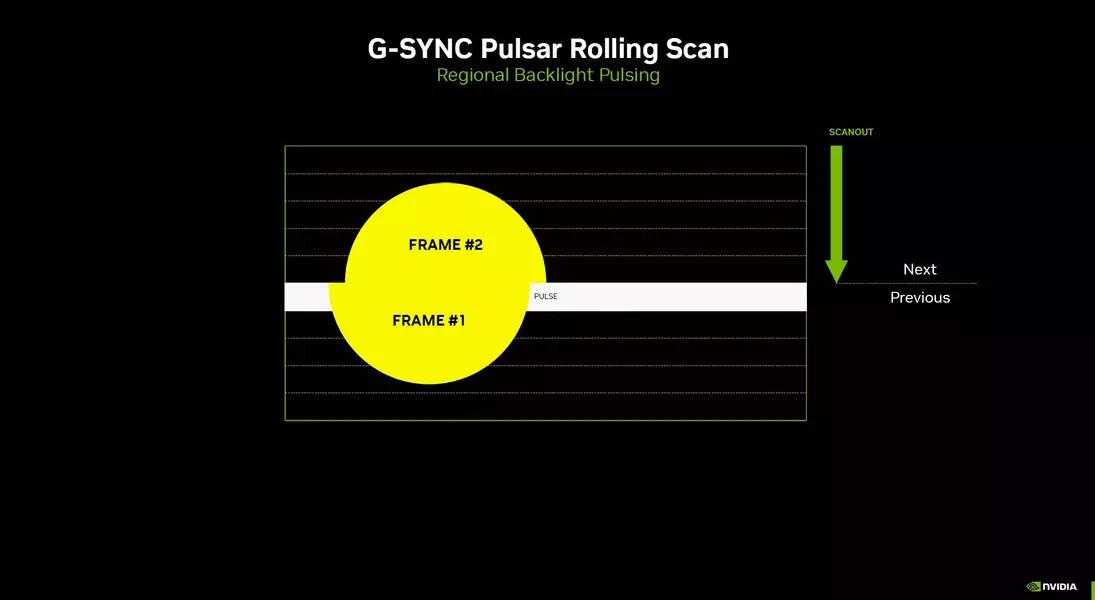
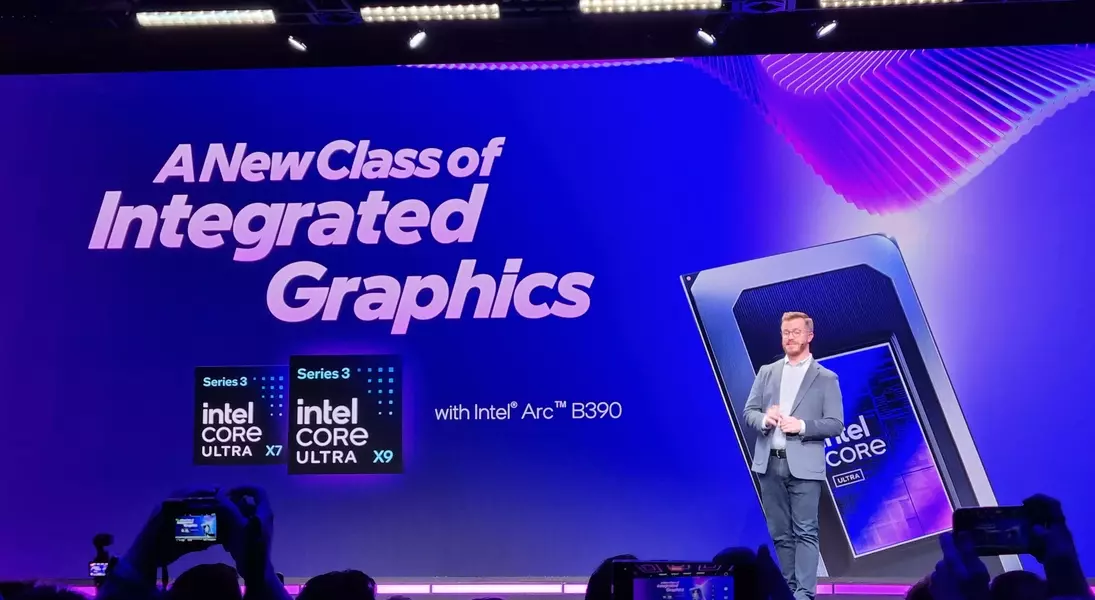
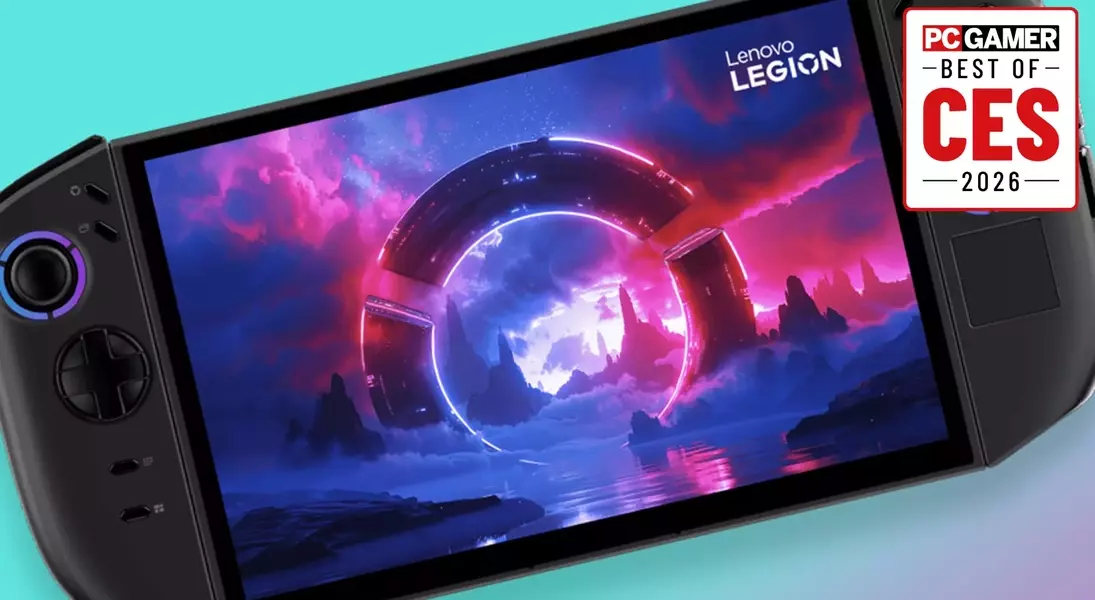
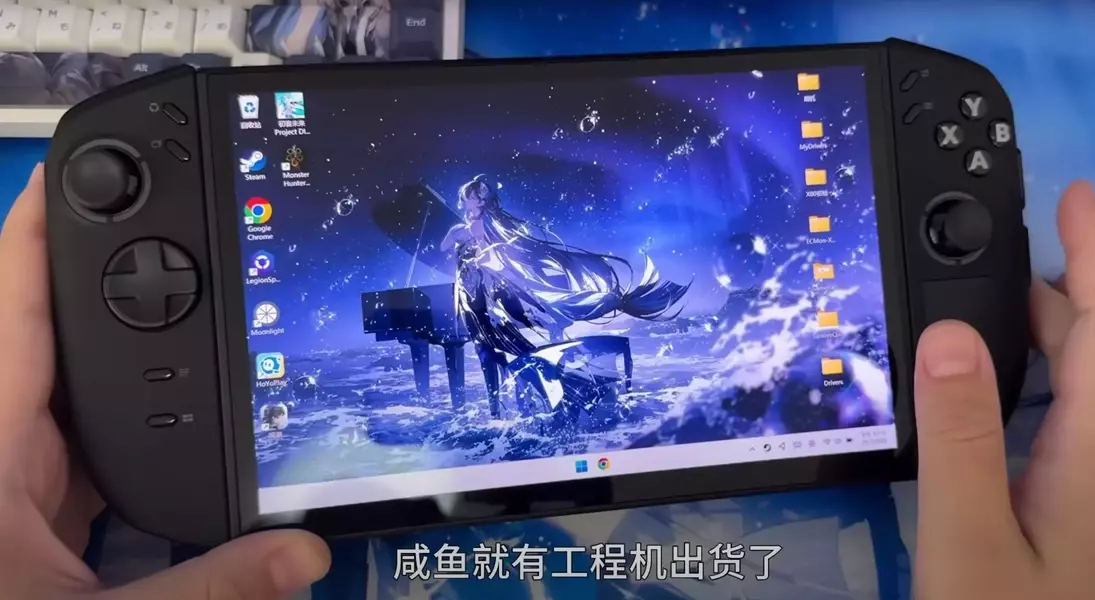
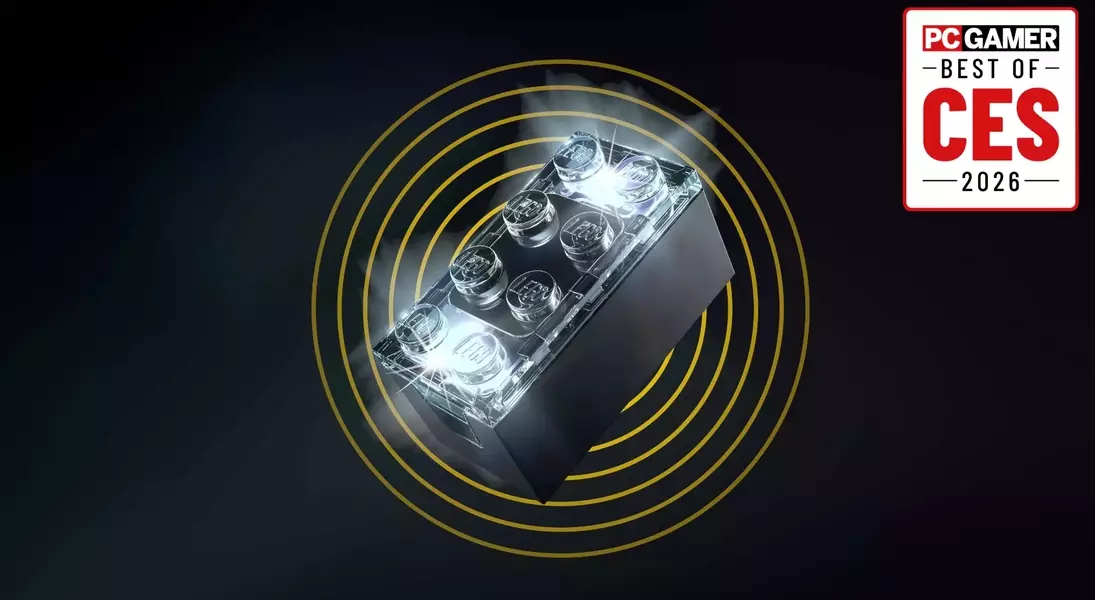
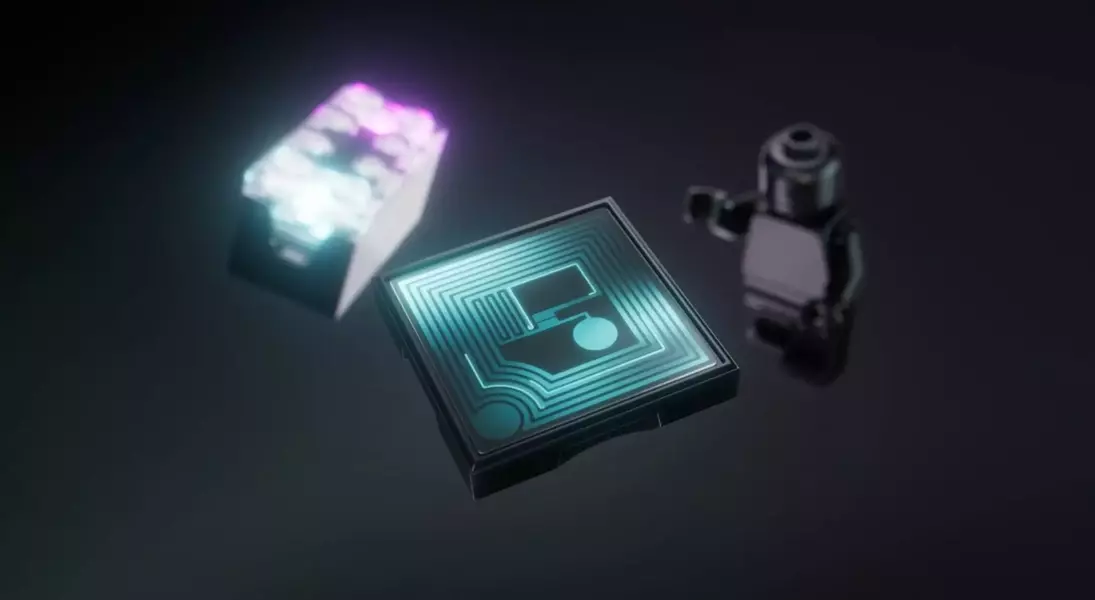
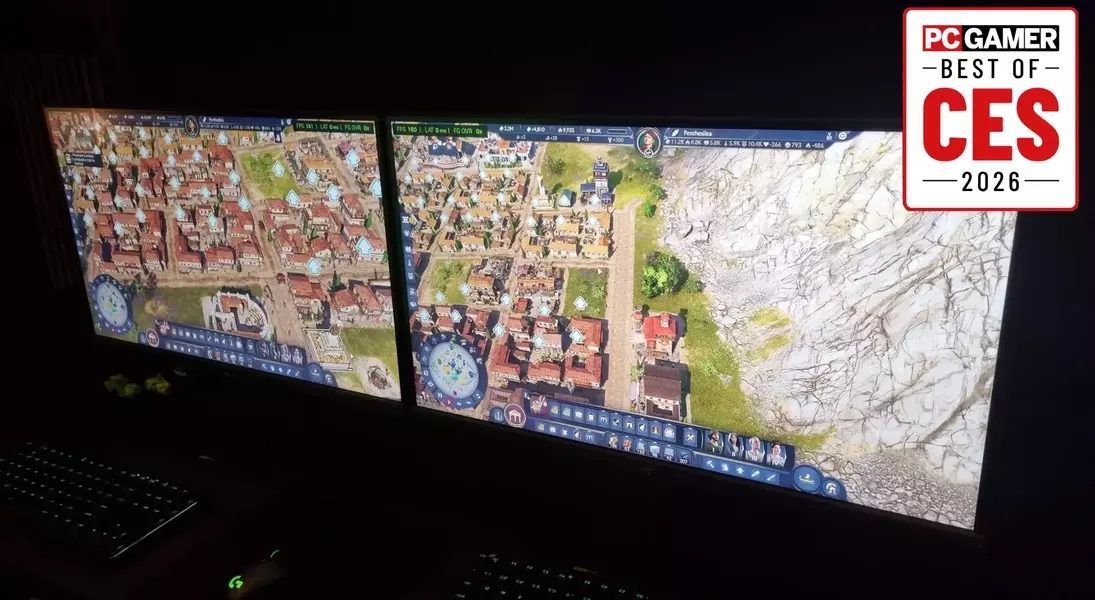
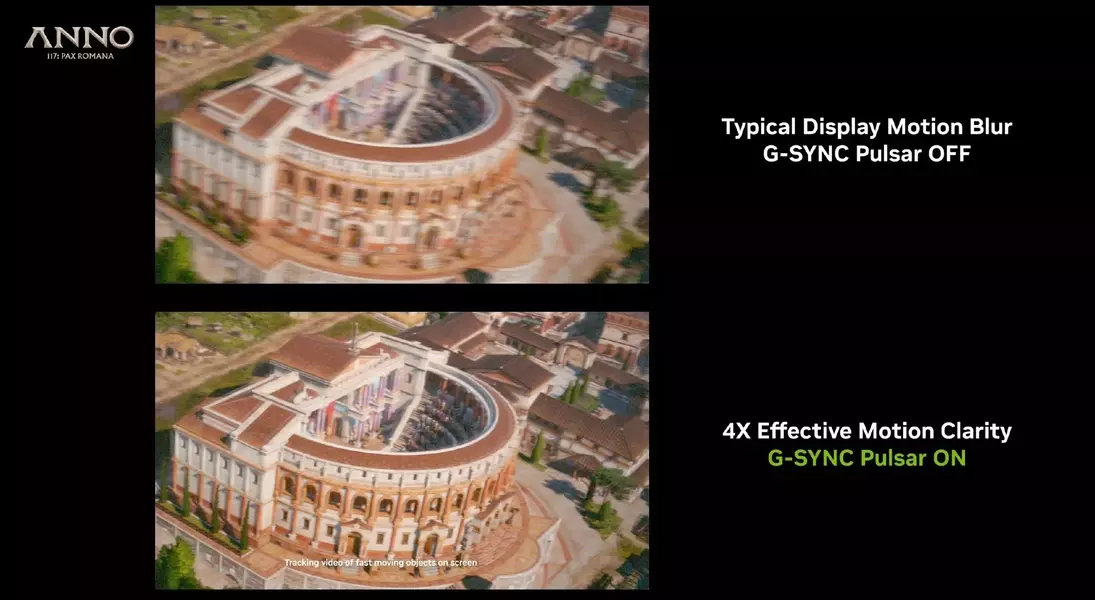
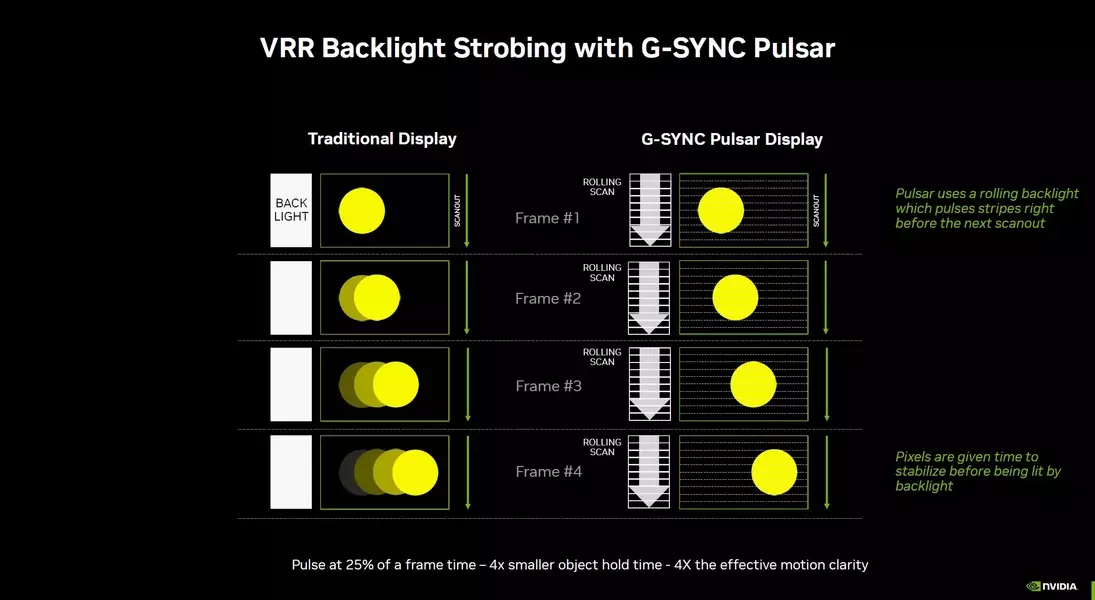
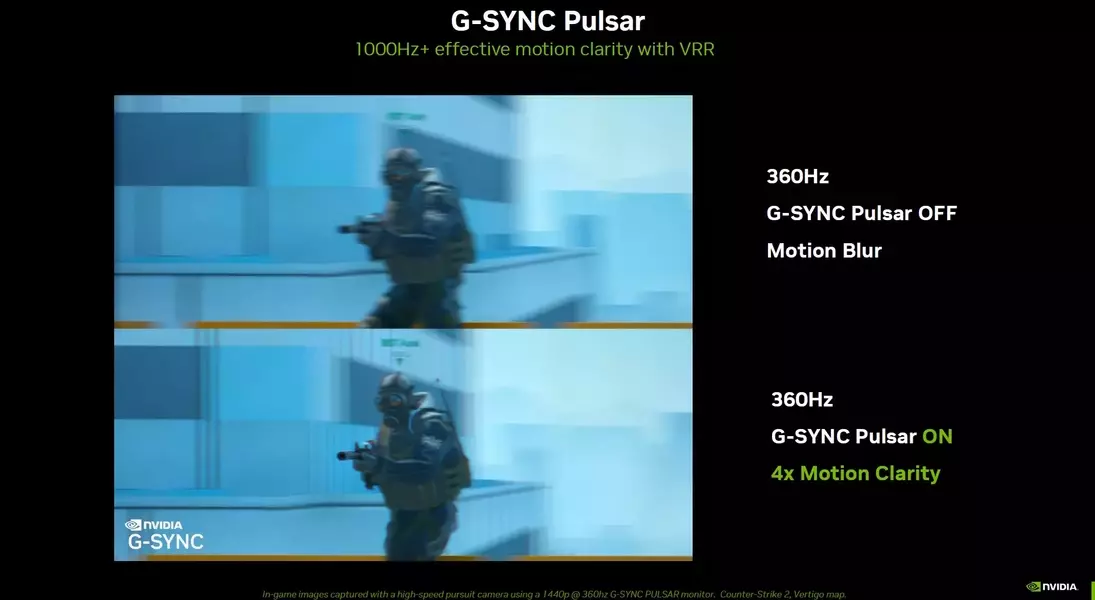
Intel made a significant splash with its Core Ultra Series 3 Panther Lake mobile processors, built on the company's 18A process. These new chips, particularly the Core Ultra X9 388H and X7 368H, feature advanced Intel Arc B390 iGPUs with 12 Xe3 cores and dedicated ray tracing hardware, promising substantial improvements in integrated graphics performance. This development holds immense potential for thin-and-light laptops and future handheld gaming devices, offering robust gaming capabilities without a dedicated GPU. Lenovo also garnered attention with its Legion Go 2 SteamOS Edition, an updated handheld gaming PC equipped with an AMD Ryzen Z2 Extreme APU, delivering a 33% increase in graphics rendering performance compared to its predecessor. This iteration maintains the original's best features, including removable controllers and a high-refresh-rate display. Beyond core hardware, LEGO introduced its innovative Smart Play brick, a compact unit packed with accelerometers, light and sound sensors, a mini-speaker, and a custom ASIC. Developed in consultation with gaming industry experts, this smart brick can interact with Smart Tags and Smart Minifigs to create dynamic audio experiences, blending physical play with digital interactivity. Finally, Nvidia's G-Sync Pulsar technology emerged as a game-changer for display clarity. Its refresh rate-matched backlight strobing technique significantly reduces motion blur, making fast-moving images exceptionally clear. This innovation profoundly impacts visual perception, enhancing immersion in both action-packed games and more strategic titles, demonstrating a commitment to improving fundamental aspects of the gaming experience.
In an era increasingly dominated by discussions of artificial intelligence, CES 2026 served as a powerful reminder that fundamental hardware engineering continues to drive genuine progress in the gaming world. The innovations showcased at the event underscore a vibrant and forward-thinking industry dedicated to delivering unparalleled experiences for gamers globally.
