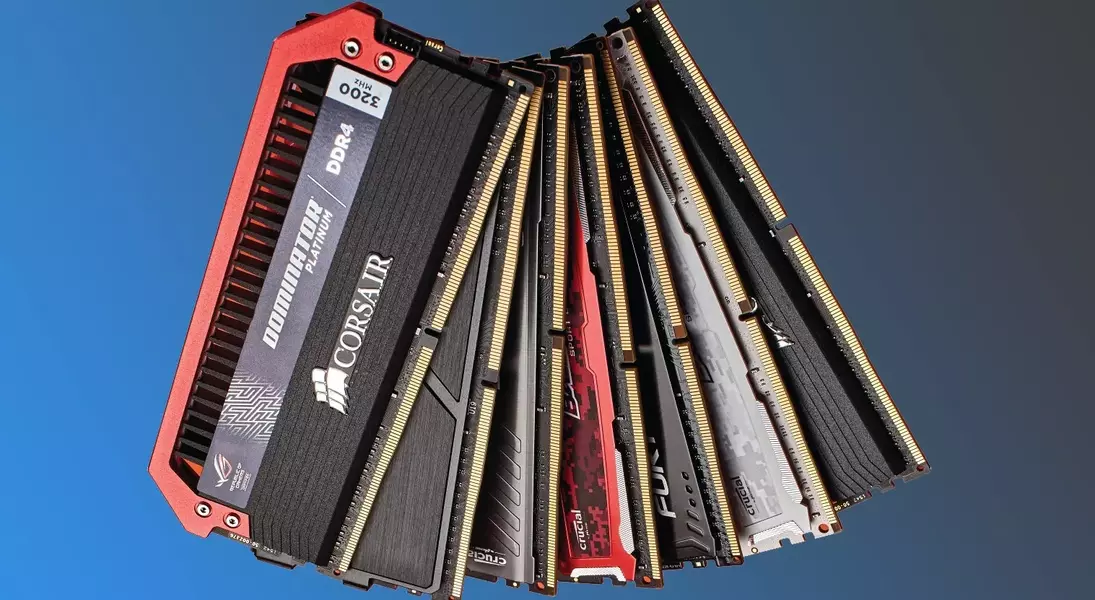
In light of the significant surge in memory component costs, particularly for DDR4 and DDR5 modules, the Chinese do-it-yourself (DIY) computer assembly community has notably turned its attention to older technologies. This trend involves a marked increase in the acquisition of motherboards that support DDR3 memory, often packaged with Intel processors ranging from the 6th to 9th generations. This strategic pivot reflects consumers' efforts to navigate the current challenging market landscape characterized by inflated prices and supply shortages.
The steep rise in memory prices has led to a noticeable decline in sales for both DDR5 and DDR4 memory. Data indicates a nearly 10% increase in the spot price of mainstream DDR4 chips in a single week. This volatile pricing environment is largely influenced by several factors, including the high demand for wafers from the artificial intelligence (AI) industry and cautious inventory management by suppliers. Furthermore, upcoming Lunar New Year factory closures are anticipated to exacerbate supply constraints, contributing to the ongoing market instability.
While DDR4 was expected to be phased out, its discontinuation plans have been paused due to renewed interest driven by current market conditions. For many users, DDR4 offers a viable alternative to the more expensive DDR5, especially for gaming purposes, where the performance difference may not justify the significant cost disparity. Consequently, if the latest memory technologies remain out of reach, enthusiasts are increasingly looking towards DDR3 as a practical and budget-friendly option.
Despite its age, DDR3-compatible hardware can still perform adequately for various applications, including certain gaming titles. For instance, games with minimum system requirements, such as a Core i5 6600K CPU (a 6th Gen Intel chip), can still run on DDR3 platforms, albeit potentially with lower frame rates. This approach provides a sensible solution for those who prioritize affordability over cutting-edge performance, or for users engaged in less demanding activities like casual gaming or daily computing tasks.
The current market dynamics underscore a broader trend where consumers are making pragmatic choices to build or upgrade their systems without succumbing to exorbitant component costs. This has inadvertently extended the lifecycle of older hardware like DDR3, proving that sometimes, looking back can offer a viable path forward in a challenging economic climate. Whether for gaming or other computational needs, the accessibility and affordability of DDR3 continue to make it an attractive option for a segment of the market.
The prevailing high costs for advanced memory technologies have prompted a significant shift in consumer behavior within the Chinese DIY computing sector. Many enthusiasts are now actively seeking out older, more cost-effective DDR3 motherboards, often bundled with Intel's earlier generation processors, as a practical alternative to current overpriced options. This trend is a direct response to the escalating prices and limited availability of newer DDR4 and DDR5 memory modules, which have been impacted by factors such as high demand from the AI industry and production slowdowns. The unexpected resurgence of DDR3 highlights a resourceful adaptation by the community to maintain affordability and functionality in PC building, demonstrating that established technologies can still offer considerable value when newer options become prohibitive.
