
In an automotive landscape increasingly dominated by electric vehicles, discerning the best options for 2027 can be a daunting task. While the overall demand for new EVs in the United States has seen fluctuations, manufacturers remain steadfast in their commitment to advancing electric mobility. This curated selection focuses on models that excel not only in fundamental aspects like range and charging infrastructure but also in providing superior comfort, exhilarating performance, and practical utility. For those contemplating the transition to electric power, these vehicles represent the pinnacle of current EV technology, offering a blend of innovation and reliability.
Detailed Insights into Leading EV Models
Leading the Charge: The Tesla Model 3
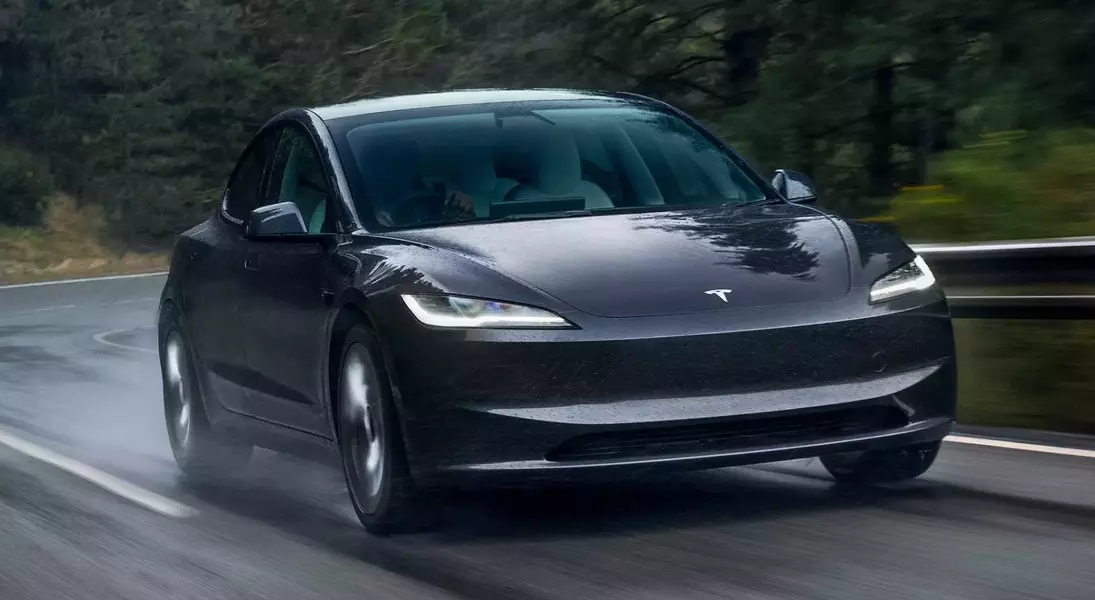
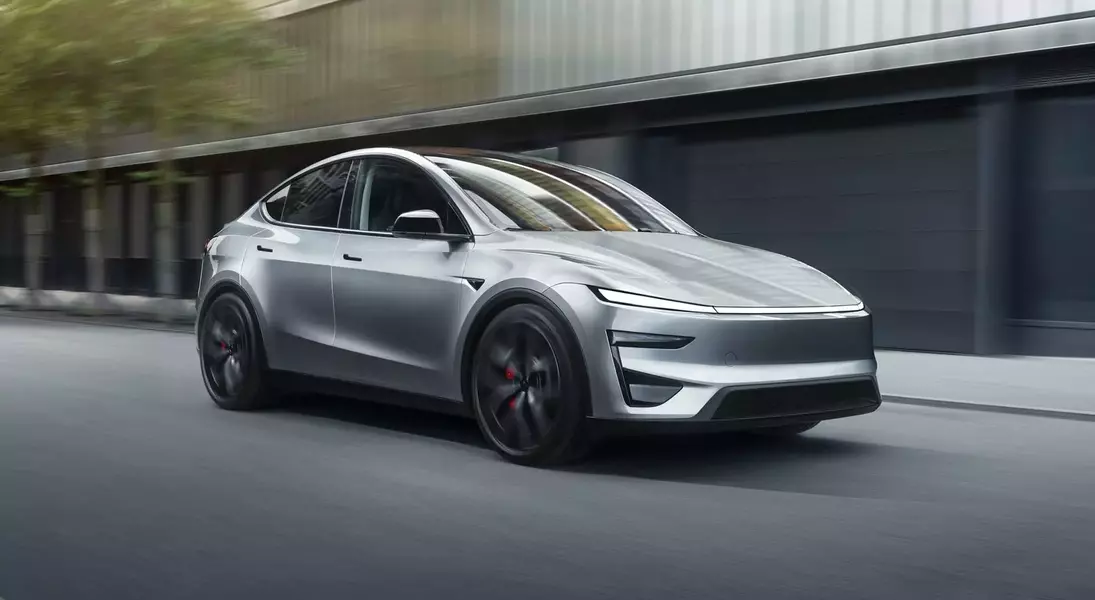
The Tesla Model 3, despite being overshadowed in sales by its crossover sibling, the Model Y, presents a more compelling proposition for the savvy EV buyer. Its lower acquisition cost, coupled with enhanced efficiency and quicker acceleration, makes it a formidable contender. The allure of Tesla ownership is further amplified by access to the extensive Supercharger network and the sophisticated Full Self-Driving (Supervised) system, which significantly alleviates the monotony of daily commutes.
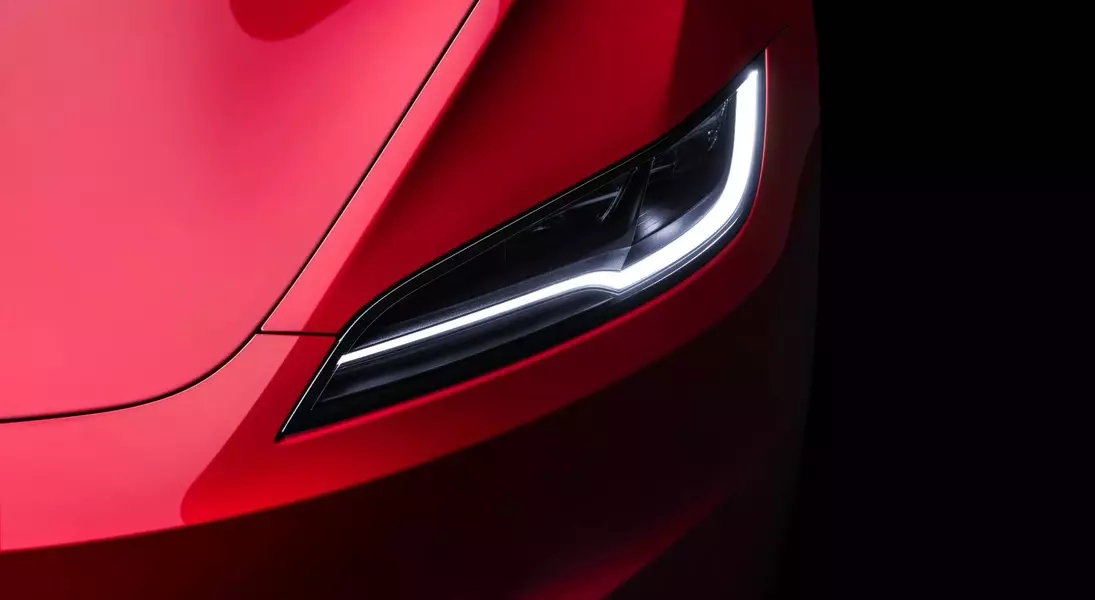
A recent design refresh has endowed the Model 3 with a sleeker aesthetic, a quieter cabin, and more refined interior materials, marking a substantial improvement over its initial iteration. Performance and range specifications are particularly impressive for its price point. The base Model 3, priced just under $37,000, boasts a 321-mile range and achieves 0-60 mph in a brisk 5.8 seconds. For those craving blistering speed, the Model 3 Performance variant delivers supercar-like acceleration, reaching 60 mph in a mere 2.9 seconds, all while maintaining a range exceeding 300 miles for $54,990. Charging capabilities are equally robust, with a maximum speed of 250 kW, allowing for an additional 185 miles of range in just 15 minutes.
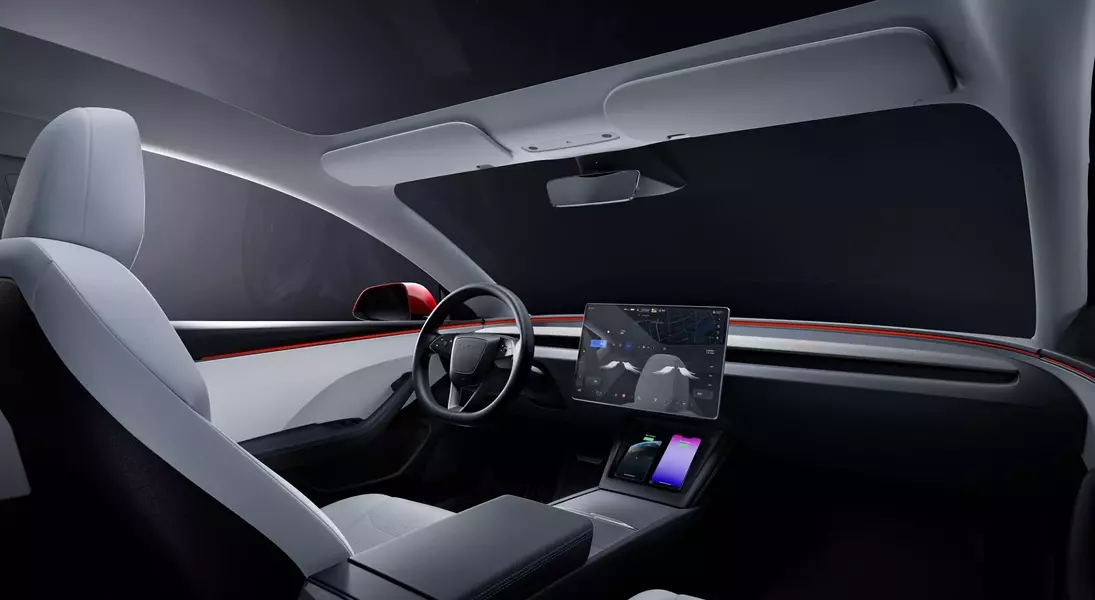
The Model 3's interior, characterized by its minimalist design, often elicits strong reactions. Its futuristic appeal and highly responsive touchscreen are undeniable, though some may find the absence of physical controls and a traditional driver's display somewhat inconvenient. While offering a generously sized trunk and a practical front storage compartment, the rear seating may feel somewhat confined for taller passengers.
Ultimately, the Model 3 is a testament to Tesla's extensive experience in the EV sector. Its strengths include a sleek design, exceptional range, impressive performance across all trims, the innovative FSD system, and a more engaging driving experience compared to the Model Y. However, its reliance on a central touchscreen and the lack of Apple CarPlay or Android Auto support are notable drawbacks, as is the potentially cramped rear seat. With a perfect 5/5 for range and charging ease, and a strong 4/5 for value, the Model 3 is an excellent choice for singles, couples, or young families seeking their first EV, especially for tech-enthusiasts and those prioritizing performance.
The recommended trim is the mid-range Model 3 Premium, priced at $42,490, offering a 363-mile range and a 0-60 mph time of under five seconds, striking an optimal balance between cost and capability.
Emerging Challenger: The BMW iX3
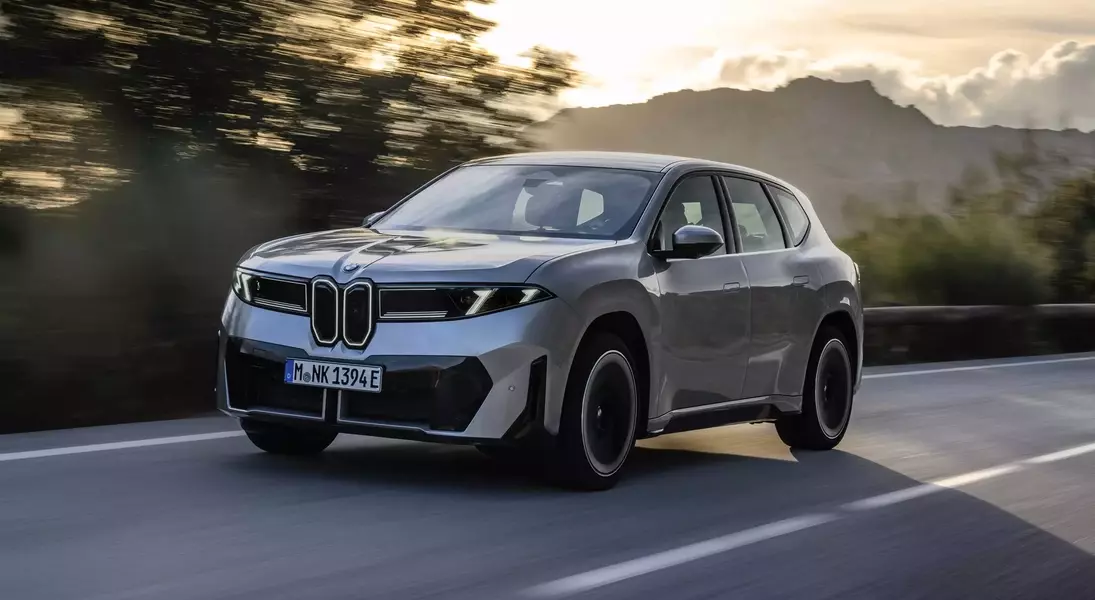
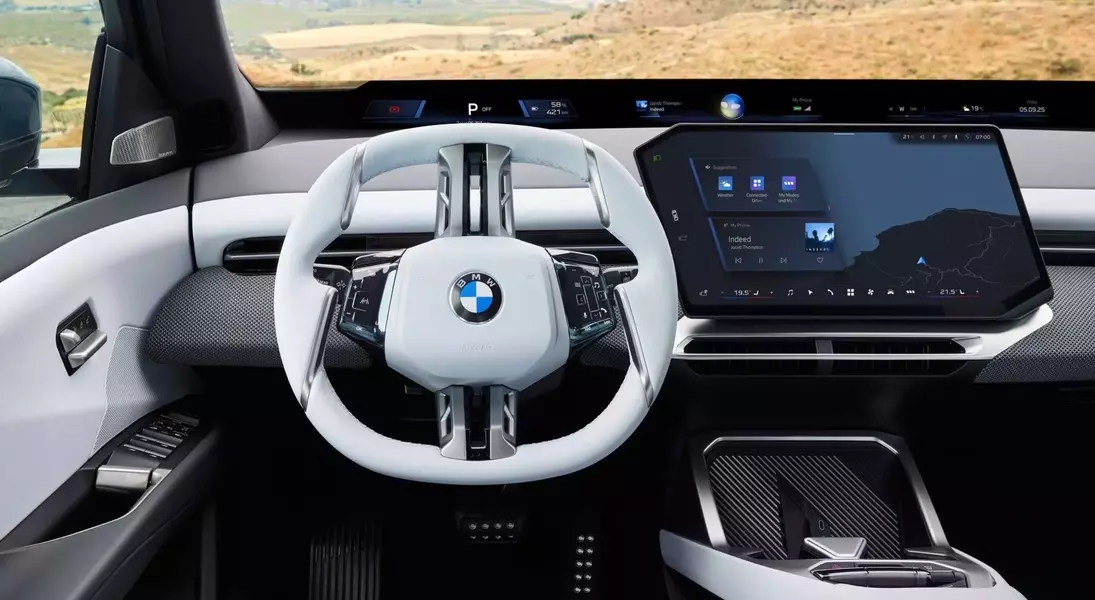
Though not yet available in the U.S. until late 2026, the BMW iX3 is poised to make a significant impact. Representing the inaugural model of BMW's Neue Klasse series, it signifies a monumental leap forward in design, user interface, and battery technology for the brand's electric offerings.
The initial 2027 BMW iX3 50 xDrive variant is expected to start at $61,500, positioning it as a more affordable alternative to rivals like the Porsche Macan EV, and even undercutting the similarly performing X3 M50. Its class-leading range of 383 to 434 miles surpasses many full-size electric SUVs, including Tesla's SUV models, in terms of sheer distance capability.
Charging infrastructure is equally advanced, thanks to the iX3's new 800-volt architecture, which supports charging speeds of up to 400 kW. This enables a rapid replenishment from 10% to 80% charge in just 21 minutes at compatible DC fast chargers. Early European reviews commend the iX3 for its sharp handling and a noticeable improvement in quality over its gasoline-powered counterpart. With a 0-60 mph time of 4.7 seconds, performance is certainly not lacking. The interior features a dramatic new design, including the Panoramic iDrive system with a new touchscreen and a crystal-clear full-width display below the windshield.
Anticipated to be a strong seller in North America, the iX3 promises to be a benchmark in the electric SUV segment if its driving dynamics live up to its promising specifications. Its advantages include industry-leading charging, superior range, a competitive price point, robust performance, and a fresh BMW aesthetic. The only current reservation is the lack of direct driving experience for the U.S. market, and the potential for options to quickly escalate the price, initially offered only in the 50 xDrive trim. With a 5/5 for range, 4.5/5 for charging ease, and 4/5 for value, the iX3 is ideal for EV enthusiasts seeking spaciousness, luxury, and relief from range anxiety.
Initially, only the dual-motor, all-wheel-drive iX3 50 xDrive will be available, with more affordable and high-performance versions expected to follow in 2027.
Affordable Accessibility: The Chevrolet Bolt
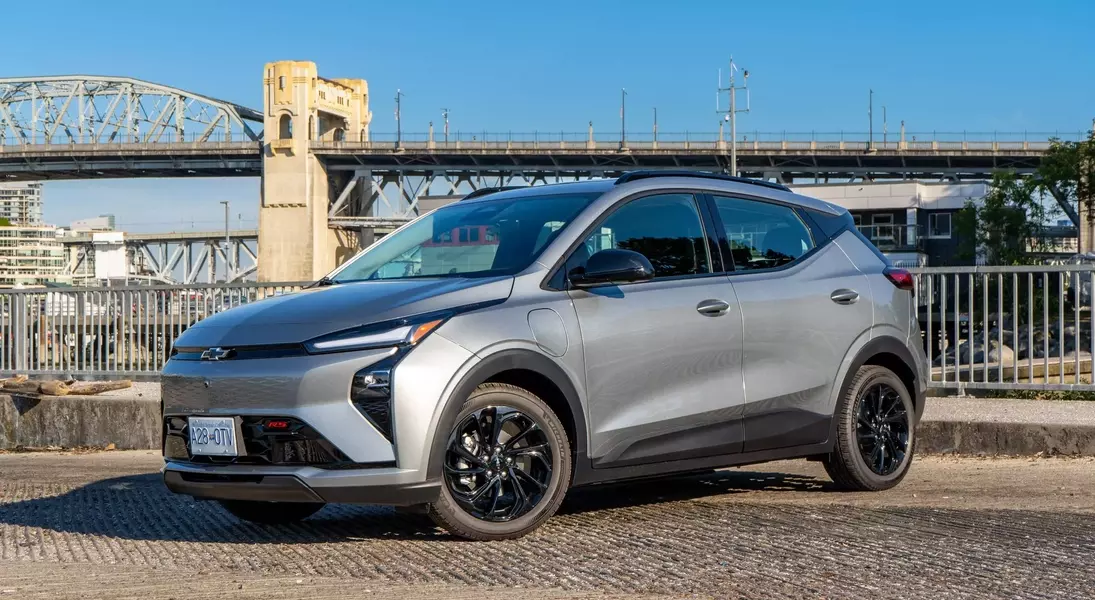
The resurgence of the Chevrolet Bolt addresses a critical need in the U.S. market for genuinely affordable electric vehicles. Starting at just $27,600 for 2027, the Bolt offers a 210-hp single motor and a 262-mile range. Its charging performance has seen significant improvements, now capable of up to 150 kW, allowing for a 10% to 80% charge in a reasonable 25 minutes – a considerable upgrade from previous models.
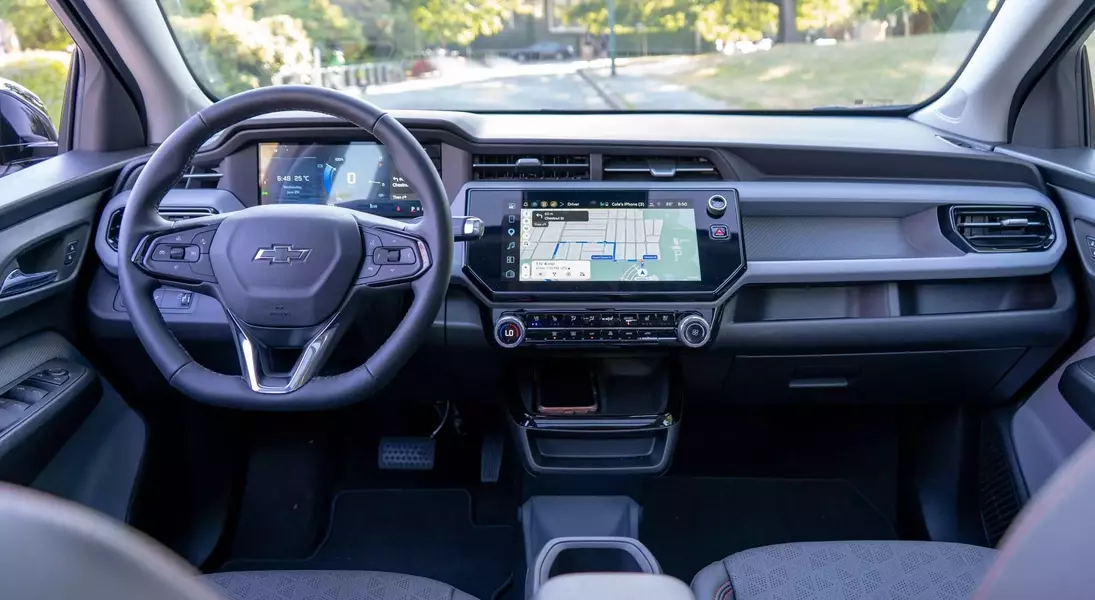
While not a performance powerhouse, the new Bolt provides pleasingly responsive acceleration for daily driving. Its light steering and comfort-tuned suspension make it suitable for urban environments, though it may not offer an exhilarating driving experience. The interior, reflecting its budget-friendly nature, uses simpler materials but avoids unnecessary gimmicks. Passenger space is commendable, and the presence of tactile buttons alongside the dual-screen setup is a welcome feature, though the absence of Apple CarPlay and Android Auto is a notable omission.
Despite its modest attributes, the Bolt's ultra-low price makes it a highly recommendable entry-level EV. Its pros include its affordability, adequate performance for commuting, improved charging, and a user-friendly, spacious interior. Its main downsides are its uninspired driving dynamics and design, and a range that might be insufficient for some drivers. Rated 3.5/5 for range, 4/5 for charging ease, and a perfect 5/5 for value, the Bolt is an excellent option for students or first-time EV buyers on a budget, or as a secondary household vehicle for short trips.
The base LT trim is recommended, especially with the addition of the $995 Comfort Package, which includes a power driver's seat and heated front seats, keeping the total cost below the $30,000 threshold.
Final Thoughts on the EV Market
From entry-level models to luxury sedans, the electric vehicle market in the United States now caters to nearly every budget. While challenges such as charging infrastructure, range anxiety, and premium pricing persist, their impact is diminishing. The electric vehicles highlighted in this report are designed to integrate seamlessly into diverse lifestyles. Despite the emergence of new competitors, the Tesla Model 3 and Model Y continue to dominate sales. The Model 3, in particular, remains an unparalleled choice under $40,000, excelling in all key aspects important to EV buyers, solidifying its position as the top new electric car for 2027.
