The automotive industry frequently engages in strategic partnerships, leading to vehicles that might bear one brand's emblem but carry the engineering DNA of another. This piece delves into the extensive collaboration between Subaru and Toyota, highlighting how this synergy influences various models in Subaru's lineup.
Unraveling the Shared Automotive Heritage
The Subaru Solterra: A Direct Mechanical Counterpart to Toyota's bZ4X
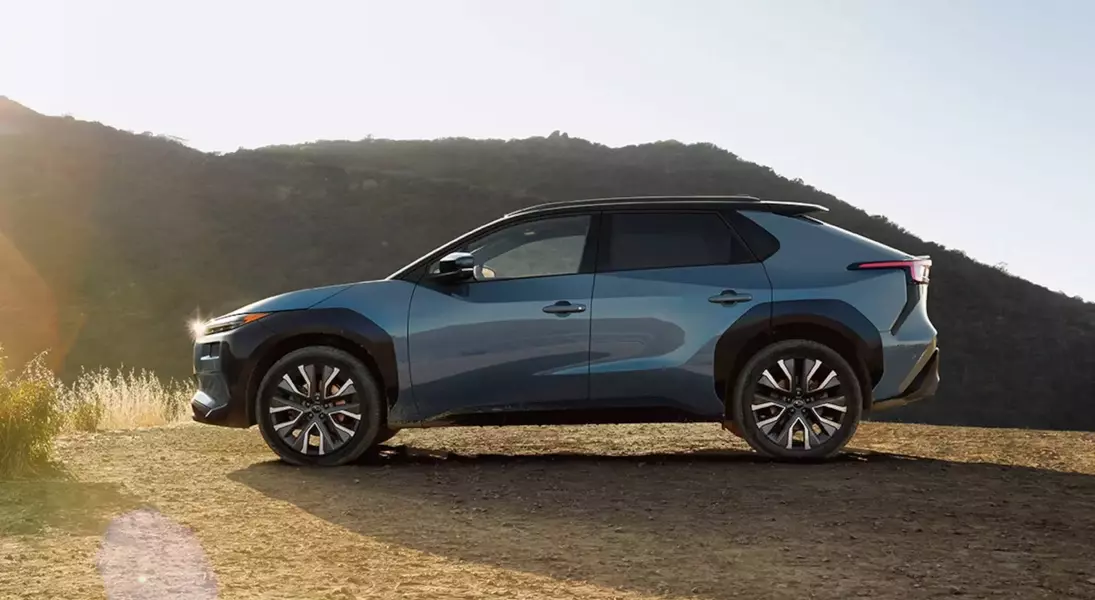
The Solterra stands as a prime example of direct collaboration, sharing its fundamental mechanical and structural elements with the Toyota bZ4X. Both electric vehicles emerge from a joint development effort, utilizing the e-TNGA platform from Toyota's side and the e-Subaru Global Platform from Subaru's perspective. They feature identical body frameworks, interior configurations, battery systems, and electric powertrains. However, Subaru's models, while slightly more expensive at the entry level, compensate by offering standard dual-motor all-wheel drive across its entire range, differentiating it from some bZ4X variants.
The Subaru Uncharted: A Toyota C-HR EV Sibling
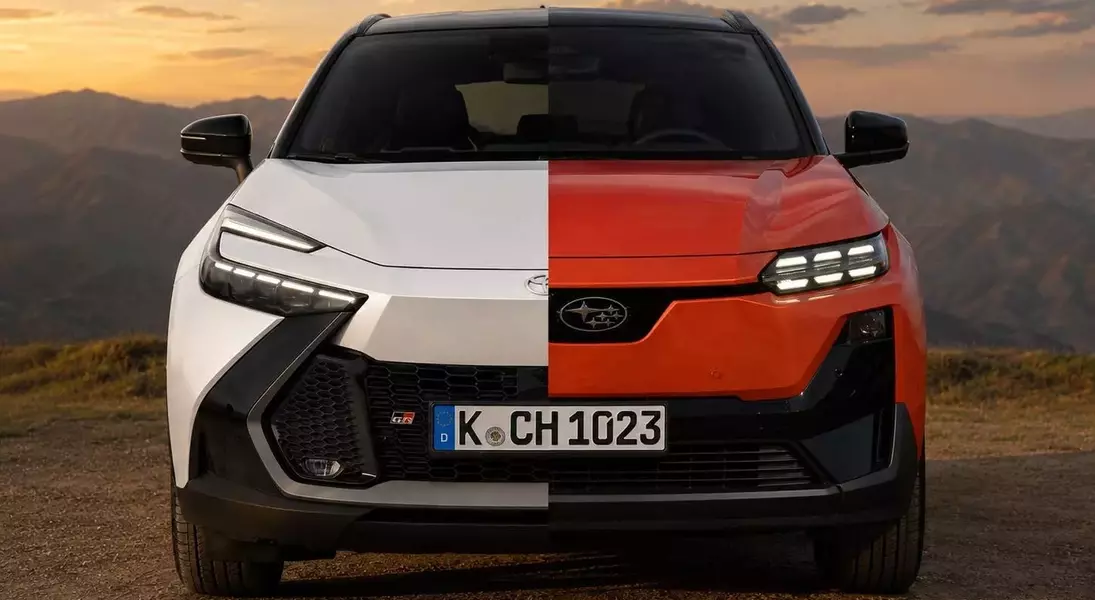
Subaru's Uncharted model is another product of this close partnership, directly mirroring the Toyota C-HR EV. This vehicle was conceived under the comprehensive Toyota–Subaru electric vehicle alliance. While it shares the same underlying platform, battery architecture, and electric drive units as the C-HR, the Uncharted distinguishes itself by offering a more economical front-wheel-drive option, whereas the C-HR is exclusively available with all-wheel drive across its trims.
The Subaru Trailseeker: A Reimagined Toyota bZ Woodland
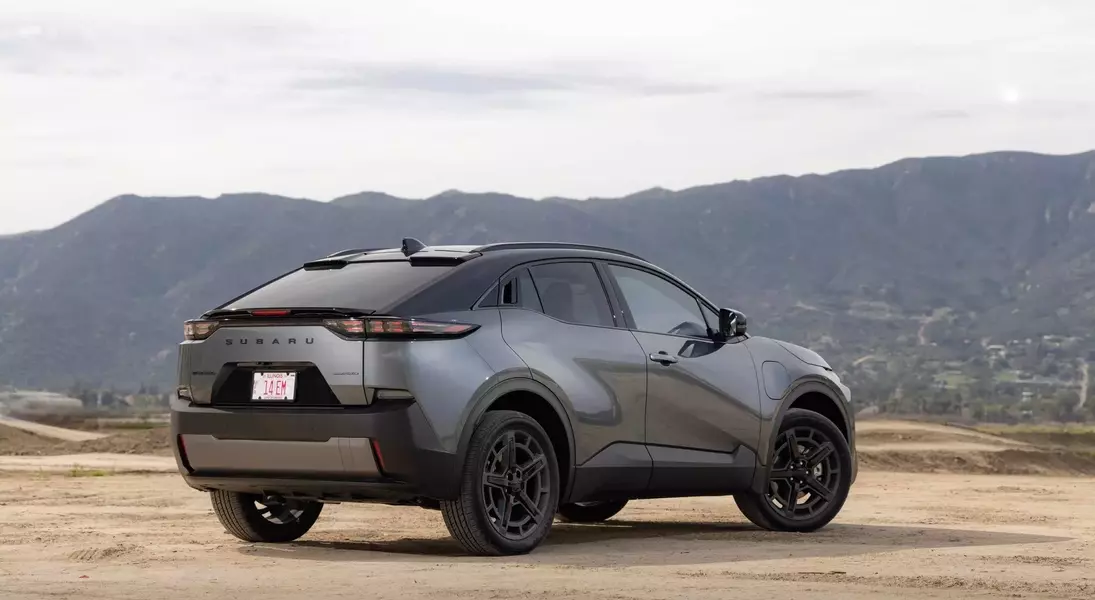
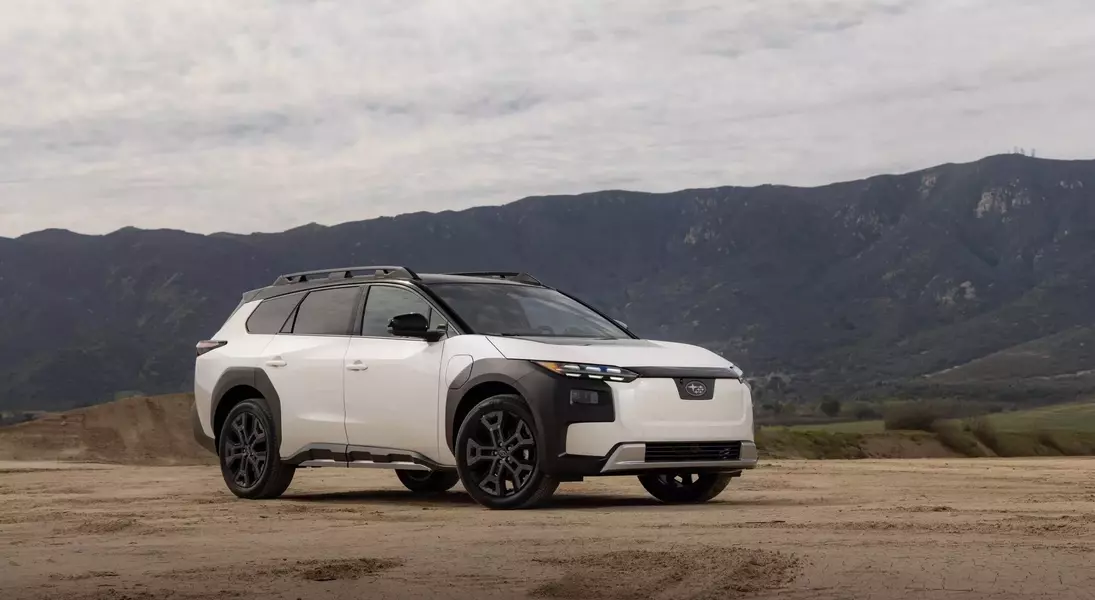
The Subaru Trailseeker EV presents itself as a rugged SUV, reminiscent of the gasoline-powered Outback. Despite its marketing emphasis on a symmetrical all-wheel-drive system, this model is fundamentally a restyled Toyota bZ Woodland. It incorporates the same platform, battery technology, and dual-motor all-wheel-drive units. This arrangement benefits consumers by offering comparable passenger volume to the Solterra but with enhanced cargo capacity. Furthermore, the Trailseeker's base model is positioned at a more accessible price point than the similarly equipped entry-level Toyota bZ Woodland.
The Subaru BRZ: A Collaboration Rooted in Subaru's Architecture
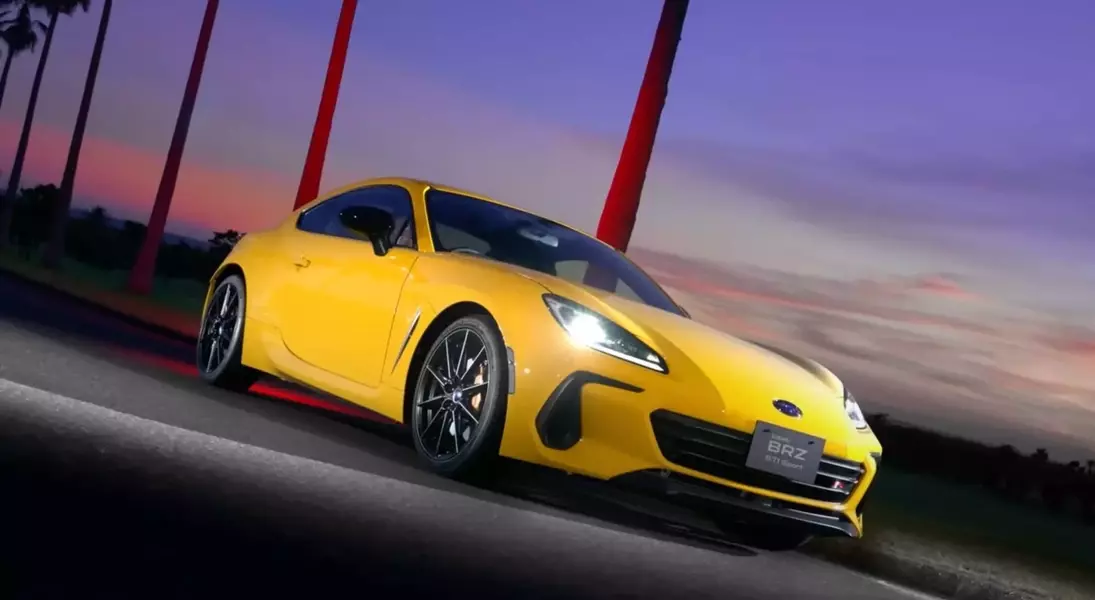
The shared lineage between the Subaru BRZ and the Toyota GR86 is well-established, primarily differing in exterior styling. Uniquely, in this instance, the GR86 significantly draws upon Subaru's contributions, as both vehicles leverage the Subaru Global Platform (SGP) for their rear-wheel-drive architecture. The engine, a Subaru Boxer unit, integrates Toyota's dual fuel-injection technology. Each vehicle's unique character is further defined by distinct engine mapping—the GR86 offers a more immediate response, while the BRZ provides a more linear power delivery. Suspension tuning also varies, with the BRZ engineered for enhanced cornering precision and stability, contrasting with the GR86's predisposition for oversteer, catering to different driving preferences.
Extensive Technical Integration: Deepening the Collaborative Roots
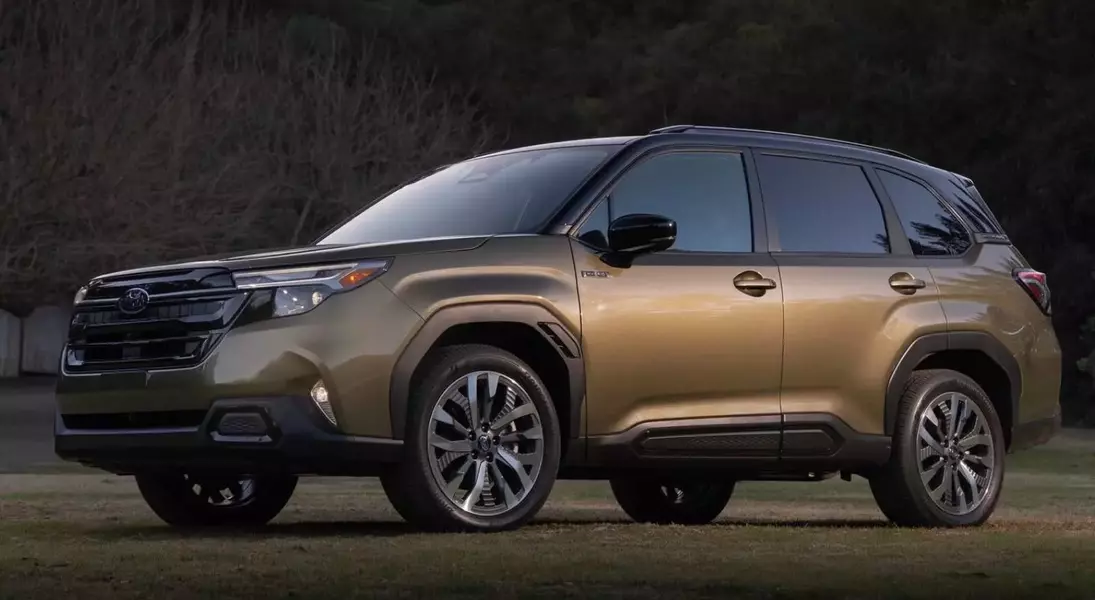
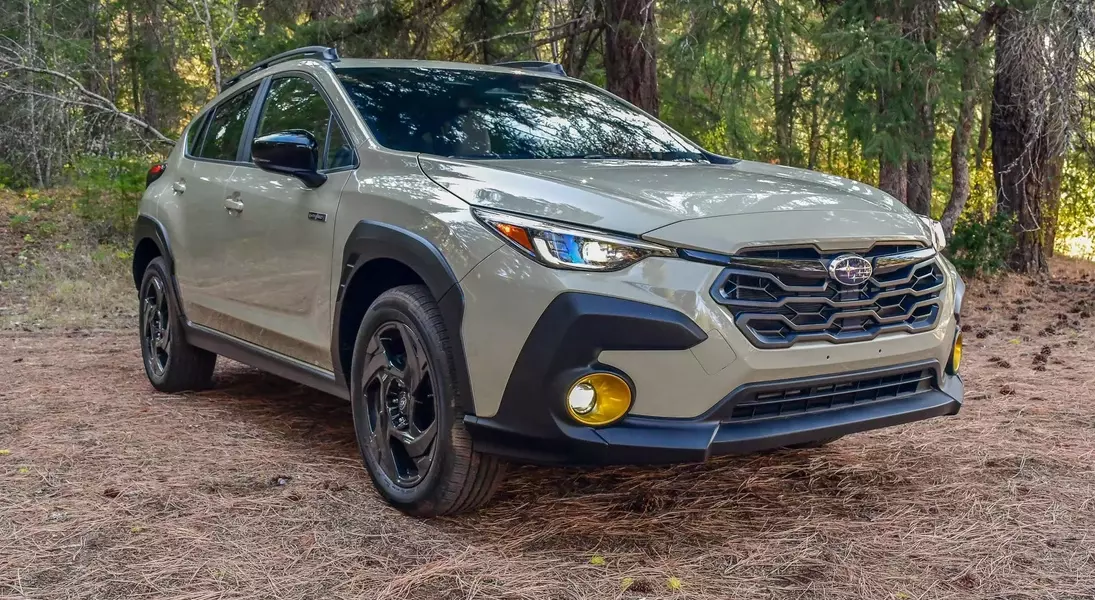
Toyota's substantial 20% ownership in Subaru underpins a broad technical and platform-sharing alliance that extends beyond these specific models. Hybrid versions of popular Subaru vehicles, such as the Forester and Crosstrek, incorporate hybrid and battery technologies developed by Toyota. In these hybrid applications, Subaru's signature Boxer engine is combined with Toyota's hybrid expertise. Notably, while Toyota's hybrid systems might use a secondary electric motor for rear-wheel power, Subaru maintains its traditional mechanical symmetrical all-wheel-drive system, preserving a core brand identity. Future collaborations include the Subaru Getaway, a forthcoming three-row midsize electric SUV, which will share a platform with the Toyota Highlander EV. These projects frequently tap into Toyota’s extensive engineering and technical acumen, a logical consequence given Subaru’s comparatively smaller global automotive presence.
The Strategic Value of Platform Sharing in the Automotive Industry
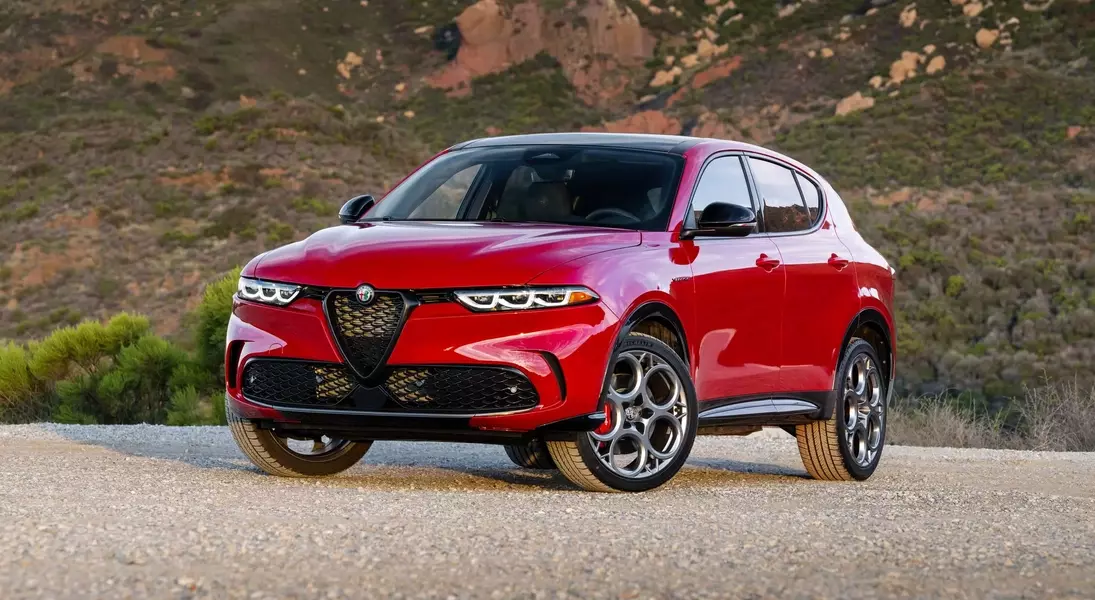
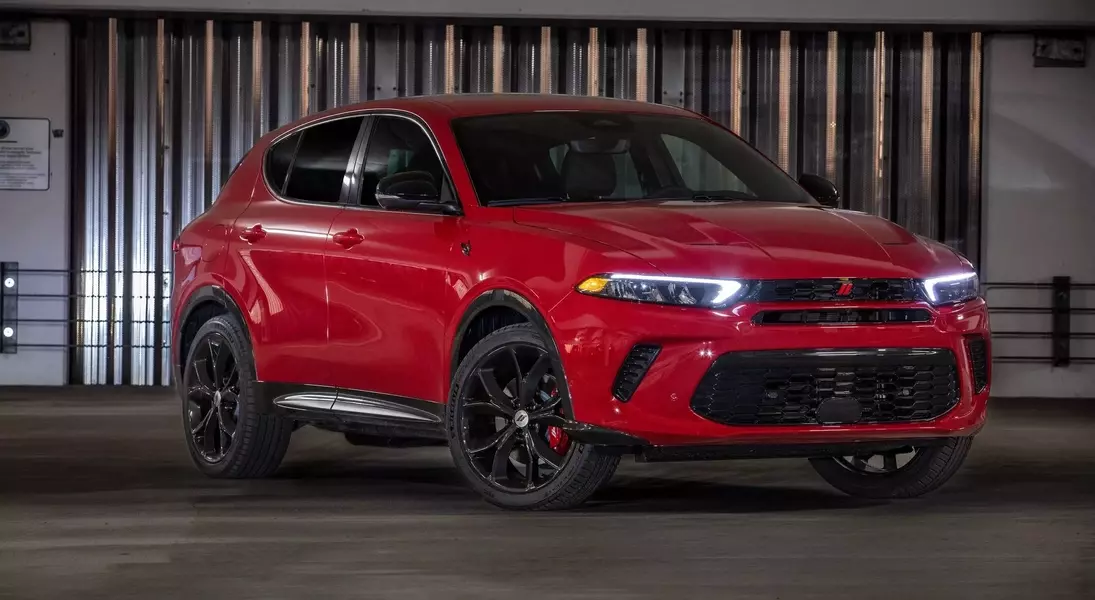
While some observers view badge engineering and shared components as tactics that dilute brand integrity, these collaborations often yield significant benefits. Joint development efforts consolidate engineering and financial resources, leading to more robust and innovative vehicle designs. In the electric vehicle sector, where performance metrics can be similar, differentiation often comes down to styling and interior design. This allows brands like Subaru to leverage Toyota’s advanced battery technology, bringing aesthetically aligned vehicles to its customer base with the proven engineering and reliability associated with Toyota. Variances in trim levels, stylistic elements, and even all-wheel-drive technologies enable these Toyota/Subaru twins to cultivate distinct market identities, simultaneously expanding product offerings in popular automotive segments. The inter-brand exchange of technologies is a symbiotic relationship; Toyota has benefited greatly from Subaru’s contributions to the GR86 sports car and from BMW for the Supra. This practice is not exclusive to Japanese brands; American and German manufacturers have engaged in similar collaborations for decades. Examples include the Dodge Hornet, which is essentially a re-engineered Alfa Romeo Tonale, and many entry-level Audis that share platforms with Volkswagen models. Even high-end brands like Porsche share foundational components for models like the Macan and Cayenne with Audi SUVs to manage development costs. This collaborative approach, far from being detrimental, generally enhances vehicle reliability and broadens consumer choice across various price points, demonstrating that badge engineering and platform sharing are enduring strategies in the global automotive landscape.
