

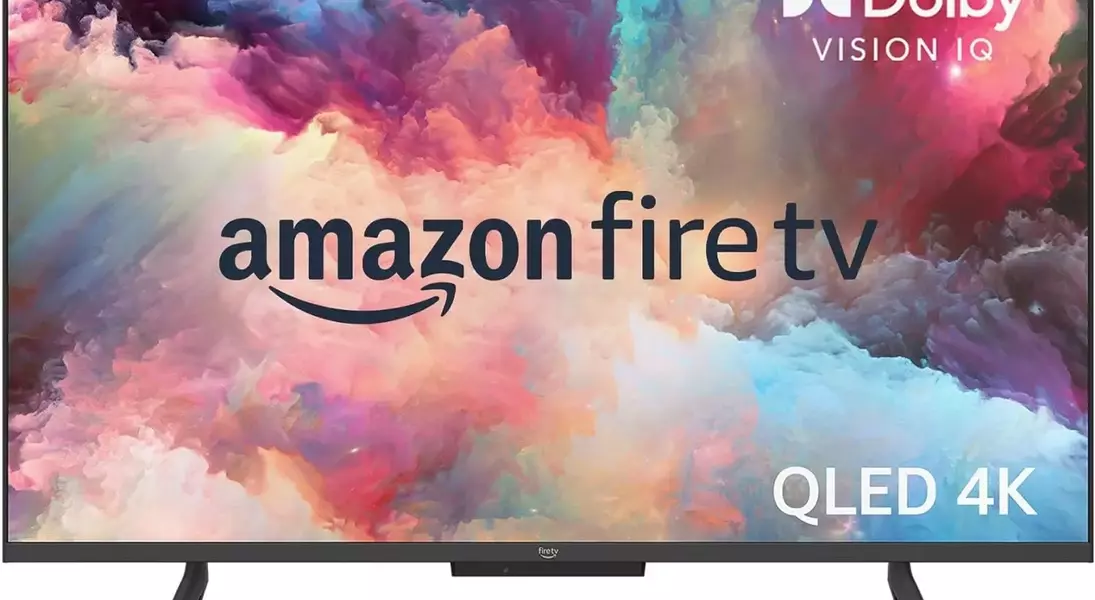
This comprehensive guide delves into the world of 4K smart televisions, meticulously selected for their ability to deliver an unparalleled sports viewing experience. Beyond just cinema, these cutting-edge displays are engineered to capture the dynamic essence of live games with stunning precision and immersive audio. Key features such as high refresh rates, advanced High-Dynamic Range (HDR) technologies, and sophisticated sound systems are explored, demonstrating how they collectively transform the living room into a vibrant stadium. Whether you're tracking every play of the Super Bowl or enjoying daily sports broadcasts, this article offers insights into optimizing your home setup for maximum enjoyment, providing a detailed look at top models and essential technical considerations.
The discussion also extends to crucial technical aspects that differentiate a good sports TV from an exceptional one, including comparisons between QLED and OLED technologies, and the distinction between refresh rates and frame rates. Understanding these elements is vital for making an informed purchase that aligns with individual viewing preferences and requirements. Furthermore, practical advice on TV placement and speaker setup ensures that every aspect of your home entertainment system is optimized for a truly captivating and lifelike sports spectacle, making it an indispensable resource for any avid sports fan or home theater enthusiast.
Choosing the Ideal 4K TV for Live Sports
Selecting the perfect 4K television for live sports viewing involves understanding key display technologies and features that cater to fast-paced action. Unlike standard movie watching, sports broadcasts demand screens capable of handling rapid motion without blurring, delivering sharp details, and showcasing vivid colors to truly immerse the audience. Modern 4K TVs, with resolutions four times that of 1080p Full HD, are becoming increasingly essential as major sports networks transition to broadcasting in this superior format. This technological shift means viewers can experience their favorite games with unprecedented clarity and detail, making every moment feel more immediate and engaging. When considering an upgrade, it's crucial to look for models that not only offer high resolution but also incorporate features specifically designed to enhance dynamic content.
For an optimal sports viewing experience, televisions with screens measuring at least 55 inches are generally recommended, providing a wide-angle perspective that captures the entire field of play. Furthermore, features such as refresh rates of 60Hz, 120Hz, or even 144Hz are vital for minimizing motion blur and ensuring smooth transitions during intense action sequences. The integration of High-Dynamic Range (HDR) technology is another critical component, as it expands the range of colors and contrast, bringing a life-like quality to images with deeper hues and brighter highlights. Additionally, immersive audio technologies like Dolby Atmos contribute significantly to the overall experience, making viewers feel as if they are right in the heart of the stadium. These combined elements create a dynamic and captivating environment, essential for any true sports enthusiast.
Advanced Display Technologies and Audio for an Immersive Experience
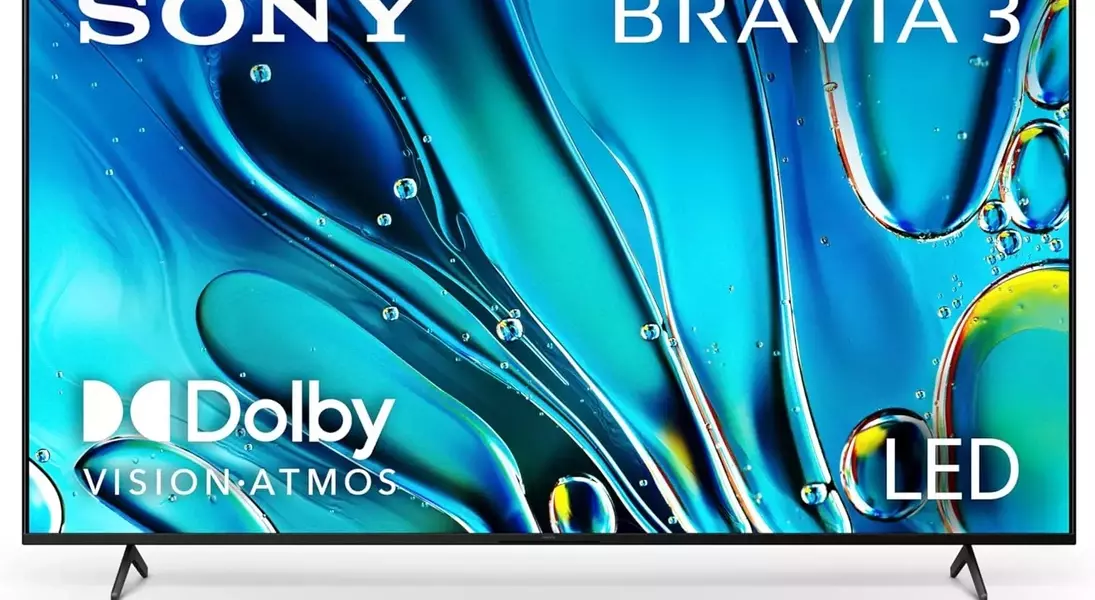
The latest advancements in display technology and audio engineering are revolutionizing how sports enthusiasts consume content, offering a truly immersive experience that blurs the line between watching from home and being at the event. Technologies like Dolby Vision and Dolby Atmos are at the forefront, transforming not just cinematic viewing but also live sports broadcasts into breathtaking spectacles. Dolby Vision enhances picture quality with an expanded color palette, heightened contrast, and remarkable brightness, while Dolby Atmos creates a three-dimensional soundscape that envelops the viewer, making the roar of the crowd and the crack of the bat feel incredibly real. These innovations signify a pivotal moment for home entertainment, promising a richer and more engaging sensory experience for all types of content.
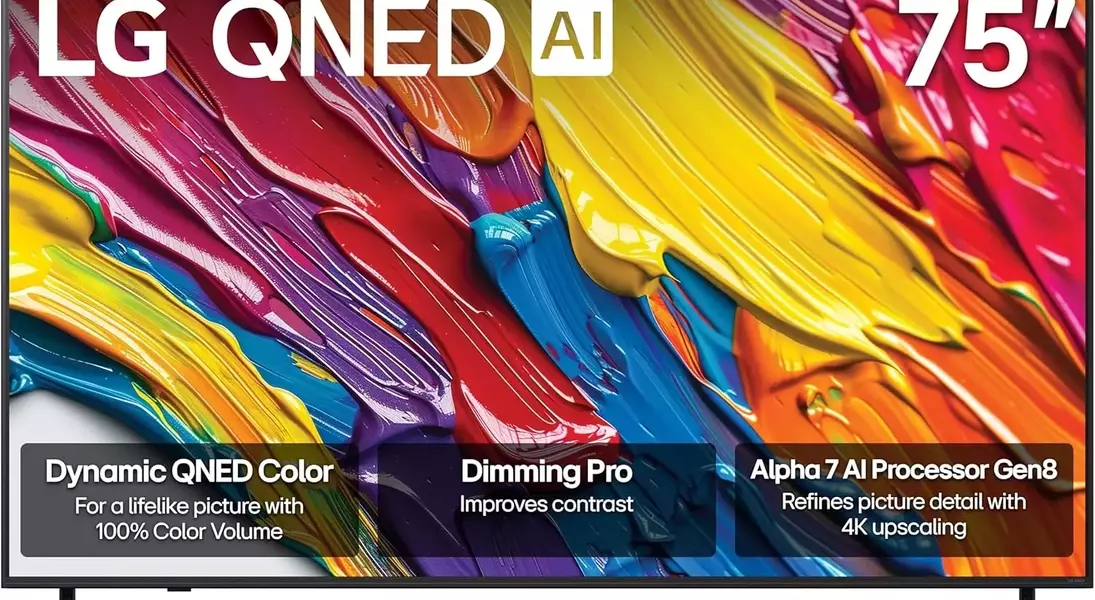
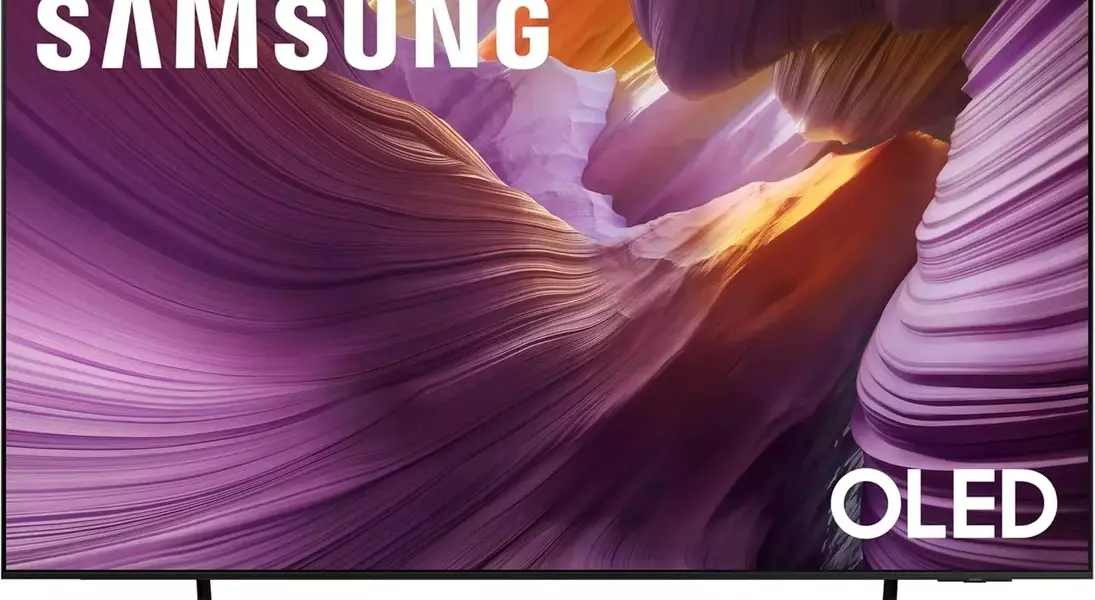
Understanding the nuances between different screen types, such as QLED and OLED, is also key to maximizing your viewing pleasure. QLED, based on LCD technology, uses quantum dots to achieve superior color saturation and brightness, relying on a backlight for illumination. OLED, on the other hand, illuminates each pixel individually, resulting in perfect blacks and infinite contrast without the need for a backlight. While 8K resolution has been promoted, experts widely agree that 4K remains the optimal resolution for current sports broadcasts and movies, given the scarcity of 8K content. Moreover, a TV's refresh rate, which dictates how quickly the image updates, is crucial for smooth motion in sports, distinguishing it from the frame rate of the content itself. Proper TV placement and the addition of external sound systems or soundbars further elevate the audio experience, ensuring sound travels effectively throughout the room for a truly cinematic atmosphere.
