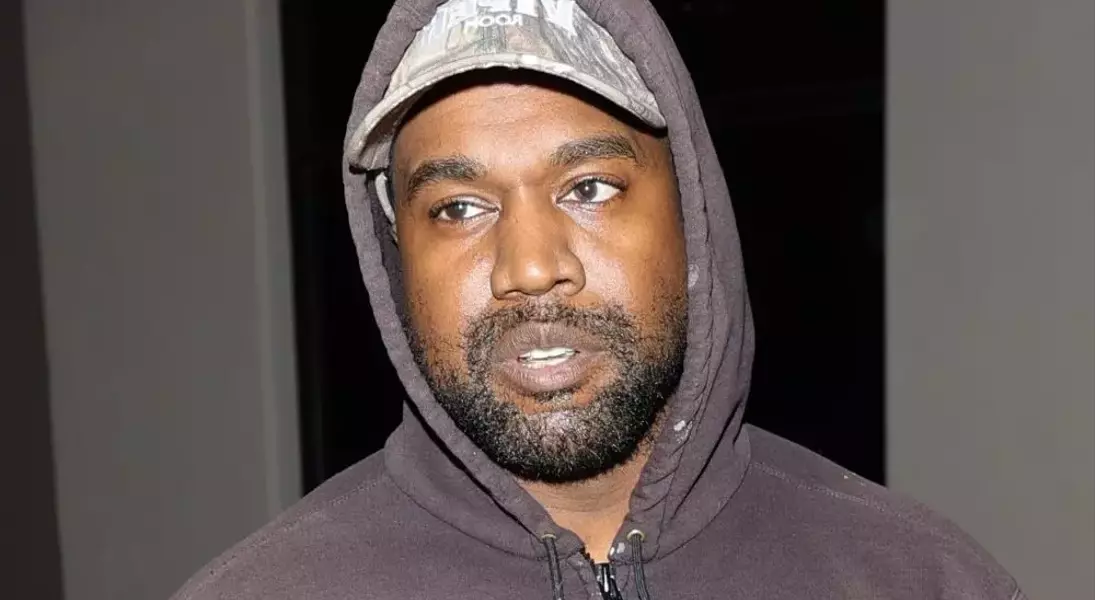
Kanye West, widely recognized as Ye, has once again found himself at the center of public discourse following a recent apology for his past antisemitic statements. This event has ignited a fervent debate among fans, critics, and the wider public: Is this a genuine step toward accountability and self-improvement, or a carefully orchestrated public relations strategy designed to coincide with new musical releases and attempts to re-enter mainstream cultural and commercial circles?
Kanye West's Recent Apology Sparks Public Debate
On January 27, 2026, music icon Kanye West (Ye) issued a comprehensive apology for his previous antisemitic comments, which were published in The Wall Street Journal. In this statement, Ye attributed his actions to a significant manic episode stemming from untreated brain damage and mental illness. He expressed deep regret and mortification for his conduct during that period, asserting that he is neither a Nazi nor an antisemite and professing his love for Jewish people. Notably, he also extended an apology to the Black community for any disappointment caused. The very next day, Vanity Fair published an exclusive interview with Ye, where he further elaborated on his remorse, emphasizing his commitment to seeking treatment and pursuing positive change. The interview, conducted via email, raised questions about the authenticity of his responses, given their polished nature, suggesting potential involvement from public relations experts.
This recent display of contrition has been met with a spectrum of reactions. Some observers, eager for a return to the 'old Kanye,' are willing to accept his explanation, viewing it as a vulnerable admission of his struggles with mental health. They hope this marks a turning point towards genuine rehabilitation, emphasizing the importance of ongoing treatment and self-care. Conversely, a significant portion of the public remains skeptical. Critics highlight the recurring pattern of Ye's apologies preceding new album releases, pointing to similar instances in December 2023 and the subsequent retraction of those apologies. The choice of platforms for his apology—a paid advertisement in a major financial publication and a pre-arranged interview with a lifestyle magazine—is also seen by many as a calculated effort to appeal to specific demographics, particularly corporate executives and influential tastemakers, rather than a direct, heartfelt address to those he offended. This strategic approach suggests a possible desire to regain commercial viability and mainstream acceptance, especially as he prepares for the release of his new album, 'Bully.'
The current situation surrounding Kanye West's apology presents a complex tapestry of personal struggle, public perception, and strategic maneuvering. It forces us to confront difficult questions about forgiveness, redemption, and the authenticity of public apologies, particularly from figures with a history of controversial behavior. As an audience, we are left to ponder whether this is truly a moment of profound introspection and change for Ye, or if it is merely another chapter in a long-running narrative where art, commerce, and personal turmoil are inextricably intertwined. The coming months will likely reveal the true depth of his commitment to his stated path of accountability and change.
