The Texas wheat harvest season has concluded with a complex picture of successes and setbacks, primarily shaped by the state's diverse and often challenging climate. This year's outcomes underscore the critical role weather plays in agricultural productivity, as farmers navigated periods of severe dryness and heavy precipitation.
Texas Wheat: Battling the Elements, Harvesting the Unexpected
Unpredictable Weather Impacts Wheat Yields Across Texas Regions
Throughout Texas, the wheat harvest was profoundly affected by climatic fluctuations. Early season drought conditions necessitated the premature termination of dryland fields, while subsequent heavy rains led to saturated soils, impeding ongoing harvest activities and potentially compromising grain quality. Yet, despite these challenges, the statewide wheat production ultimately aligned with historical averages.
Early Predictions and Actual Outcomes: A Tale of Two Harvests
Agricultural experts from Texas A&M AgriLife Extension Service initially held optimistic forecasts for the wheat season, buoyed by favorable early growth conditions. However, environmental shifts later in the cycle caused yields to fall short in some locales, even as other areas experienced more bountiful harvests compared to the previous year. Official figures from the USDA National Agricultural Statistics Service indicated that by late June, approximately 70% of the Texas wheat harvest was complete, with a significant portion of the crop maintaining fair to good condition. The total grain harvest is projected at 2.3 million acres, yielding an average of 30 bushels per acre, culminating in an estimated 69 million bushels.
South Texas Harvest Wraps Up Rapidly
In the southern reaches of Texas, the wheat harvest concluded swiftly, driven by a mild winter and intense heat in mid-May. Irrigated wheat fields, particularly around variety trial sites near Castroville, showed improved yields over the prior year. While regions like the Winter Garden area, grappling with prolonged drought, saw their dryland crops suffer, irrigated operations managed to thrive.
Rainfall's Dual Impact: Blessing and Bane for Harvest Quality
Further north, in the Blacklands, the effects of rain were twofold. Southern Blacklands growers benefited from drier conditions post-maturity, resulting in improved test weights compared to last year. Conversely, their counterparts in the northern Blacklands faced challenges from persistent rainfall, which encouraged premature sprouting. Some northeastern Texas producers continue to contend with muddy fields, hindering their harvest progress. Across the Blacklands, the prevailing dry conditions through winter and early spring, compounded by Hessian fly infestations, contributed to a general decline in overall yields and test weights. Notably, soft red winter wheat varieties demonstrated superior performance over hard red winter varieties in the Hill Country and northern areas.
Drought's Grip on the Rolling Plains
The Rolling Plains region also felt the sting of arid conditions. While dryland wheat south of Abilene yielded poorly or failed entirely, the AgriLife Extension trial in Chillicothe surprisingly reported better yields and test weights compared to the previous year. Dryland yields were particularly low in the southern and southeastern parts of the region, where rainfall remained insufficient. Counties like McCulloch experienced dismal yields, often below 5 to 10 bushels per acre. Moving northward towards Runnels County and into Central Texas, yields progressively improved. Despite the challenges, the Rolling Plains harvest is now complete, although delayed by May and June rains, with yields varying significantly based on planting times.
High Plains Region Celebrates Exceptional Wheat Production
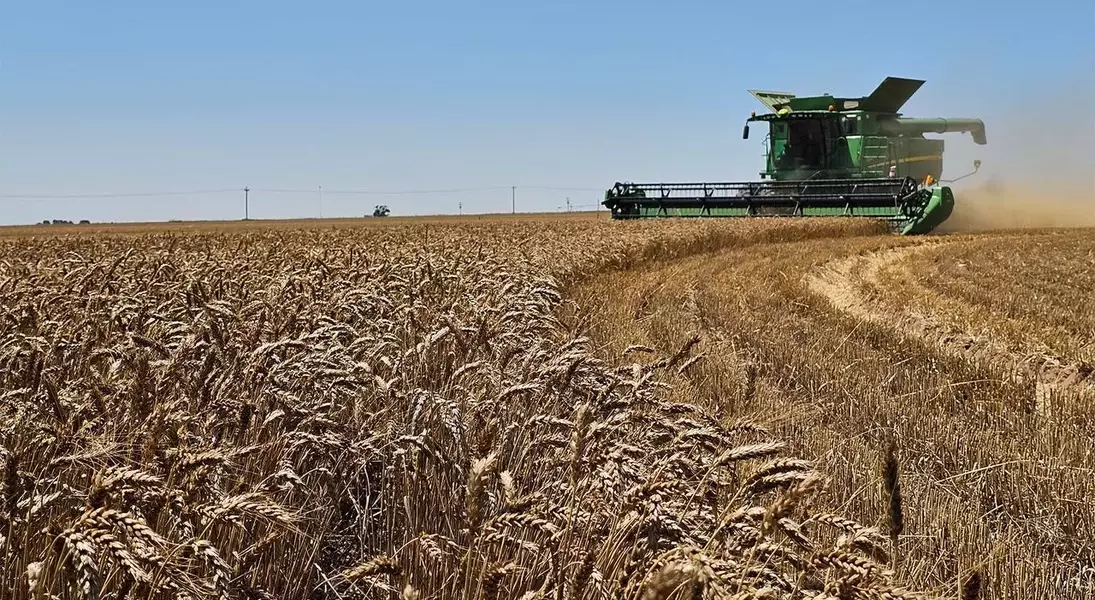
In stark contrast, the High Plains region witnessed a highly successful wheat harvest. Most dryland acres have been cut, with some irrigated fields experiencing slight delays due to uncharacteristic continued rains. Areas north of the Canadian River, however, received less rainfall, resulting in shorter and lower-yielding crops. Spring rains in the South Plains significantly bolstered irrigated wheat yields, with dryland wheat showing considerable variability. This season also marked a notable absence of major disease or insect issues. Impressively, dryland wheat in the Panhandle surpassed expectations, with some farmers reporting yields exceeding 60 bushels per acre, and irrigated wheat yielding over 100 bushels per acre. The AgriLife Extension dryland test site in Bushland recorded an average of 72 bushels, marking its highest yield since 2005. Despite these widespread benefits, localized hail events regrettably impacted some producers, destroying two AgriLife Extension test sites.
