For agricultural producers in the Midwest and Great Plains, strategic planning is essential. While the traditional rotation of corn and soybeans has long been a cornerstone, the evolving landscape of agriculture—marked by fluctuating input costs, environmental pressures, and market uncertainties—necessitates a fresh perspective. This article delves into how integrating diverse crops into existing rotations can foster greater farm resilience and economic stability. By embracing a wider range of crops, farmers can not only enhance soil vitality and manage pests more effectively but also unlock new market opportunities and secure their operations against unforeseen challenges.
Cultivating Prosperity: Diversifying Beyond Tradition for a Stronger Agricultural Future
The Strategic Imperative of Agricultural Diversification for Enhanced Sustainability
Farmers constantly evaluate their operational strategies, seeking avenues for growth and stability. In regions historically dominated by corn and soybean cultivation, the time is ripe to explore diversification. Integrating new crops offers multifaceted benefits, from bolstering soil health and reducing pest dependency to spreading economic and weather-related risks. This approach is particularly pertinent given the current climate of rising expenses and market unpredictability, positioning diversification as a pivotal strategy for boosting profitability and fostering long-term farm resilience.
Insights from Organic Farming: Alfalfa's Role in a Dynamic Agricultural System
The organic farming experience of Tim Cada in Clarkson, Nebraska, serves as a compelling case study. His decision to incorporate alfalfa into his rotation was driven by its consistent market and a desire to enhance overall farm viability. Despite the increased summer labor demands associated with organic alfalfa, the crop's robust market value makes it an attractive option. Beyond its financial contributions, alfalfa plays a crucial role in Cada's cattle operation and provides effective weed control in subsequent crop years, highlighting its dual benefits for livestock integration and sustainable land management.
Spotlight on Five High-Potential Alternative Crops for Midwest Agriculture
A closer examination of five crops reveals their potential to transform farming practices in the Midwest:
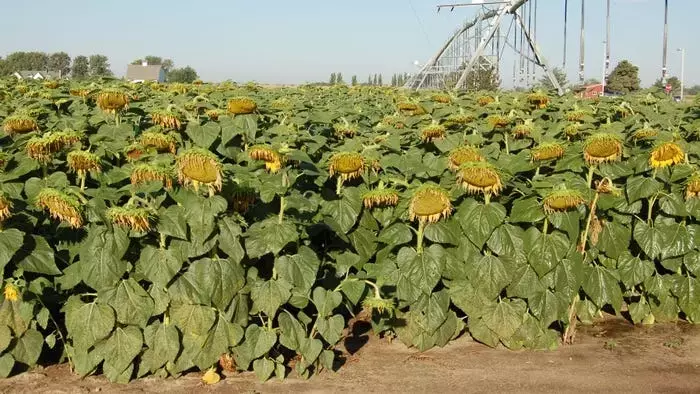
- Sunflower: With rising demand since 2022, sunflowers have become a significant cash crop, particularly in Nebraska. Their deep root systems enhance drought resistance and alleviate soil compaction, making them ideal for arid conditions and improving soil structure.
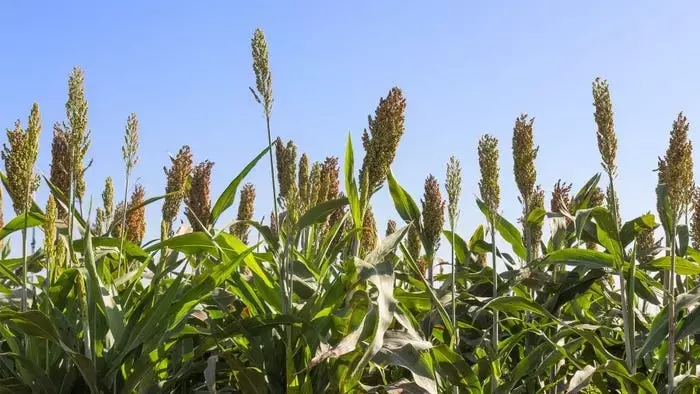
- Sorghum: Esteemed for its adaptability and drought tolerance, sorghum is gaining traction in the western and southern parts of Nebraska and neighboring states. It serves various markets, including grain, silage, and ethanol production, offering a resilient option in challenging environments.
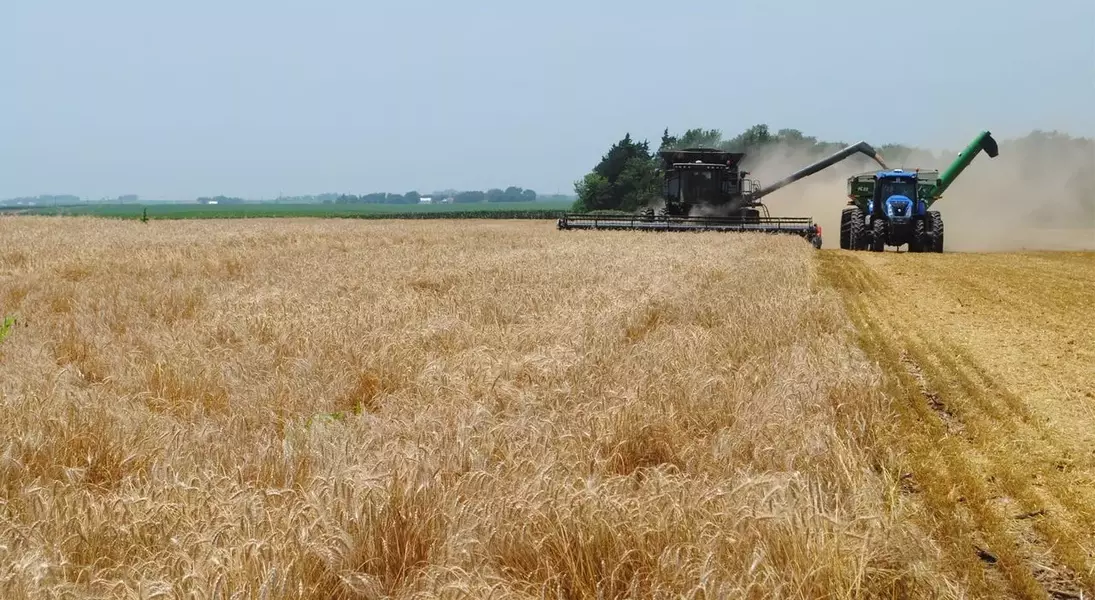
- Wheat: Once a staple, wheat is re-emerging as a valuable component of crop rotations. Its agronomic advantages include erosion control, moisture retention, and natural weed suppression. Both winter and spring wheat varieties provide diverse market avenues, demonstrating a significant increase in production recently.
- Oats: Often undervalued, oats provide substantial benefits as a cool-season grass. Their early maturation facilitates double cropping, offers opportunities for manure application, and serves as excellent forage. Oats are known to significantly boost the yields of subsequent crops, reflecting their positive impact on soil and farm productivity.
- Alfalfa: As a perennial forage and nitrogen-fixing legume, alfalfa is a standout. It offers strong market demand for hay, broadens revenue streams beyond traditional grains, and effectively disrupts pest cycles. Despite initial investment, alfalfa's long-term agronomic benefits and equipment-sharing opportunities make it a wise choice for sustainable farming.
Addressing Apprehensions: Practical Strategies for Crop Diversification
While introducing new crops may raise concerns about market access and equipment costs, these hurdles are not insurmountable. Farmers can initiate diversification through calculated steps. Beginning with small-scale test plots, perhaps 40 to 80 acres, minimizes financial exposure and allows for hands-on learning. Collaborating with neighboring farms to share specialized equipment can significantly reduce initial capital outlay and foster community resilience. Furthermore, engaging with local grain elevators to understand market trends and transportation logistics is crucial for informed decision-making, ensuring that new crops align with existing operational capabilities and market demands.
Beyond the Core: Enhancing Corn and Soybean Production through Diversified Rotations
Integrating alternative crops does not necessitate abandoning traditional corn and soybean rotations; instead, it can significantly enhance their productivity and sustainability. For example, the extensive root systems of oats help conserve soil moisture, while sunflowers' deep taproots alleviate soil compaction, improving nutrient access for subsequent crops. These alternative crops act as complementary tools, enriching the agricultural ecosystem rather than competing with mainstays. Farmers are encouraged to utilize resources like the University of Nebraska-Lincoln's Agricultural Budget Calculator to meticulously assess the financial implications and compare different cropping systems, enabling data-driven decisions that optimize both profitability and environmental stewardship.
