A recent analysis by Consumer Reports places Tesla at the bottom of its long-term reliability study for used vehicles. Specifically, cars between five and ten years old from the electric vehicle manufacturer received a score of just 31, ranking 26th among all brands evaluated. This finding suggests potential issues with the durability of earlier Tesla models, especially those produced during a critical expansion phase.
This low ranking for older Tesla vehicles contrasts sharply with the performance of traditional automakers such as Lexus and Toyota, which secured the top spots with scores of 77 and 73, respectively. Mazda, Honda, and Acura also demonstrated strong long-term reliability. Experts attribute the success of these established brands to their cautious approach, favoring incremental design enhancements over rapid, technologically aggressive changes, which ensures consistent reliability as vehicles age.
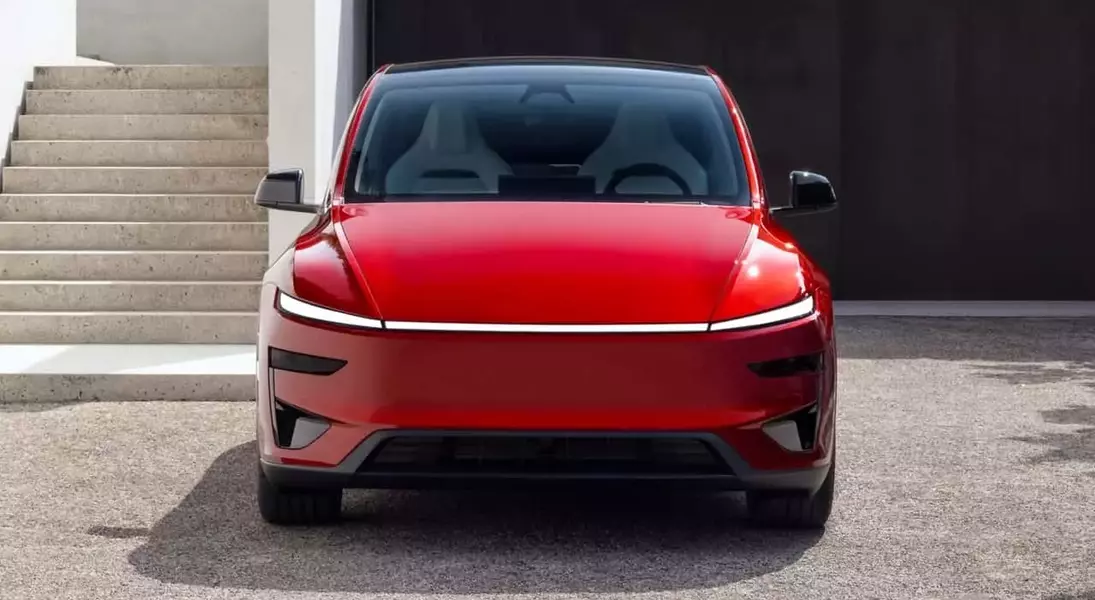
Despite the challenges with its older models, Tesla's current vehicles show a promising trend. Consumer Reports indicates that newer Tesla models exhibit “better-than-average reliability,” placing the brand ninth in predictable reliability for new cars with a score of 50. This improvement suggests that while earlier production practices may have affected long-term durability, Tesla has made significant strides in enhancing the build quality and dependability of its more recent offerings.
The journey of innovation is often fraught with obstacles, and Tesla's evolution in vehicle reliability exemplifies this. While early models faced significant challenges, the continuous effort to refine manufacturing processes and improve design integrity has led to notable advancements. This trajectory underscores a broader principle: commitment to iterative improvement and a focus on core engineering can transform initial setbacks into future successes, ultimately benefiting consumers and advancing technological progress.
