
This article explores the increasingly creative and sometimes bewildering color naming conventions used by car manufacturers. It delves into how these names, often evoking moods or abstract concepts rather than literal shades, aim to capture consumer attention and create a distinctive brand identity. The author shares personal observations and humorously critiques some of the more unusual color designations across various car brands.
Unraveling the Spectrum: The Intriguing Lexicon of Automotive Hues
The Evolving Art of Naming Car Colors: From Literal to Lyrical
The practice of designating colors for automobiles has taken a fascinating turn, evolving from straightforward descriptions to highly evocative and sometimes enigmatic labels. Much like the scented candles that bear names like "Frosted Cranberry" or "Fallen Leaves," car manufacturers are now crafting color titles such as "Meteor Shower," "Wind Chill Pearl," and "Destroyer." This shift suggests a deliberate move towards stirring emotions and creating vivid mental pictures rather than merely stating a pigment. The primary objective behind this trend appears to be making these colors more unforgettable and distinctive within a competitive market, regardless of whether they precisely convey the actual shade. When executed with flair, as seen in "Papa Don't Peach" or "Laguna Seca Blue," these names achieve a blend of wit and memorability that enhances a car's appeal.
Toyota's Palette of Whimsical and Puzzling Color Labels
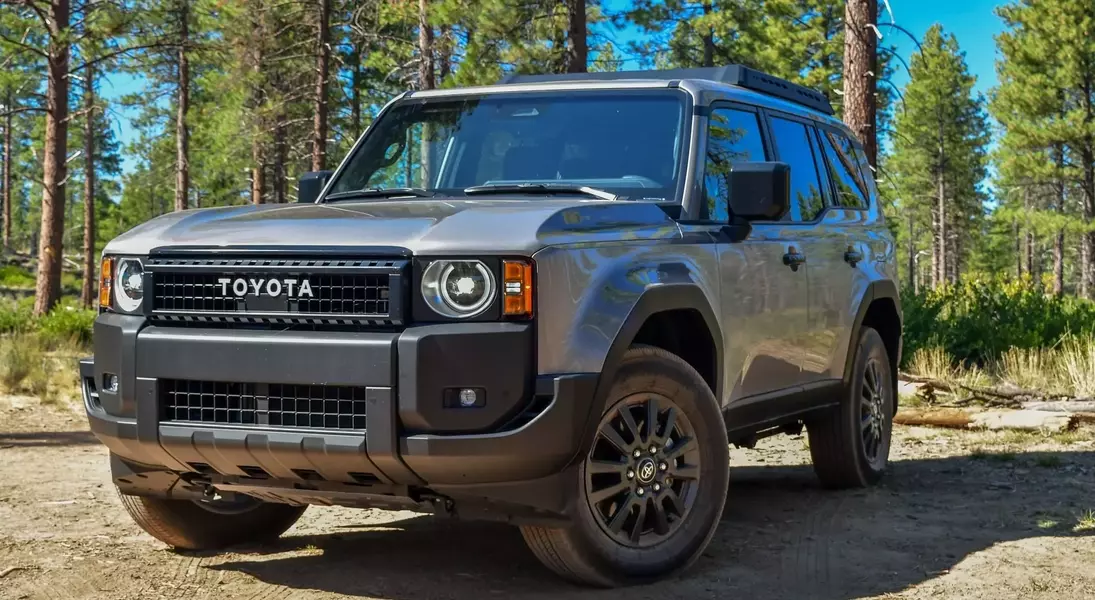
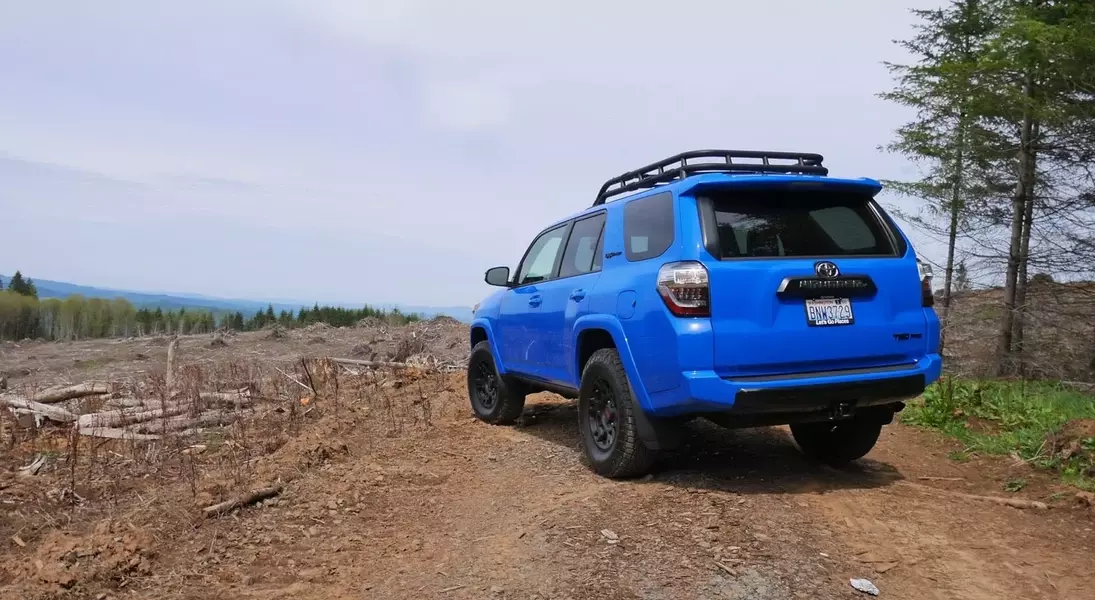
Toyota, for instance, has embraced this trend with a selection of color names that frequently lean towards the fantastical. "Meteor Shower" (a gray), "Wind Chill Pearl" (a pearlescent white), "Underground" (a matte gray), and "Ice Cap" (a pure white) are prime examples. The article playfully questions how one might intuitively deduce the actual color from these descriptions. Furthermore, Toyota offers "Lunar Rock" for its Tundra and Sequoia models, a muted green-gray that, for the author, doesn't align with the typical imagery associated with space. This choice, it is suggested, attempts to infuse excitement into an otherwise mundane gray hue. Another controversial choice, "Cement," while accurately hinting at gray, is criticized for its uninspiring association. The brand's "Voodoo Blue," a vibrant shade with a somewhat dark and mystical name, is speculated to target a younger demographic, indicating a calculated marketing effort despite the seemingly mismatched name.
Stellantis' Bold and Sometimes Confounding Color Choices
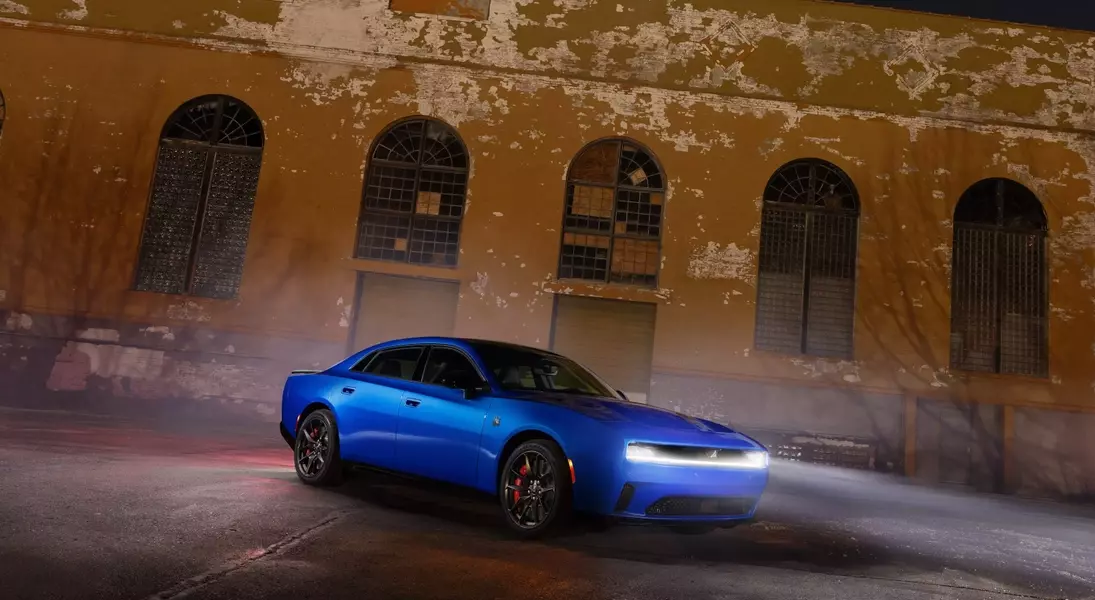
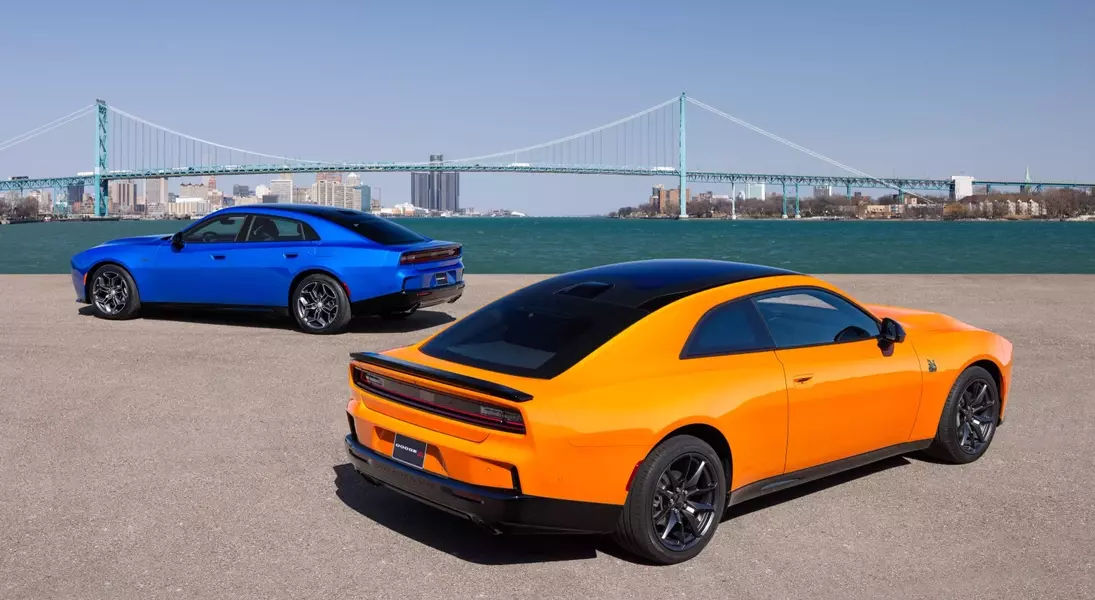
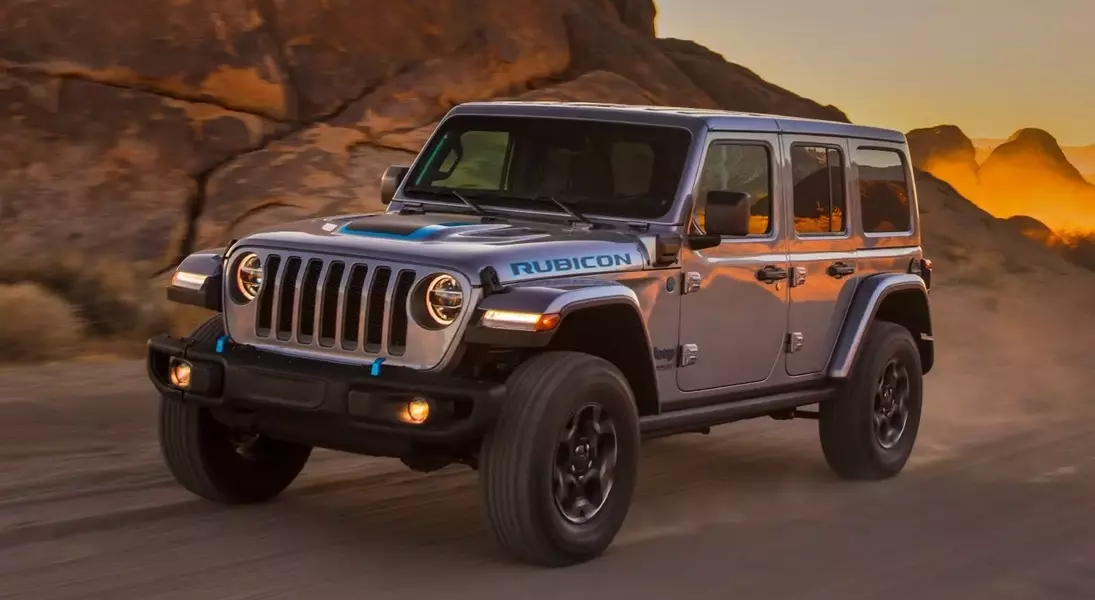
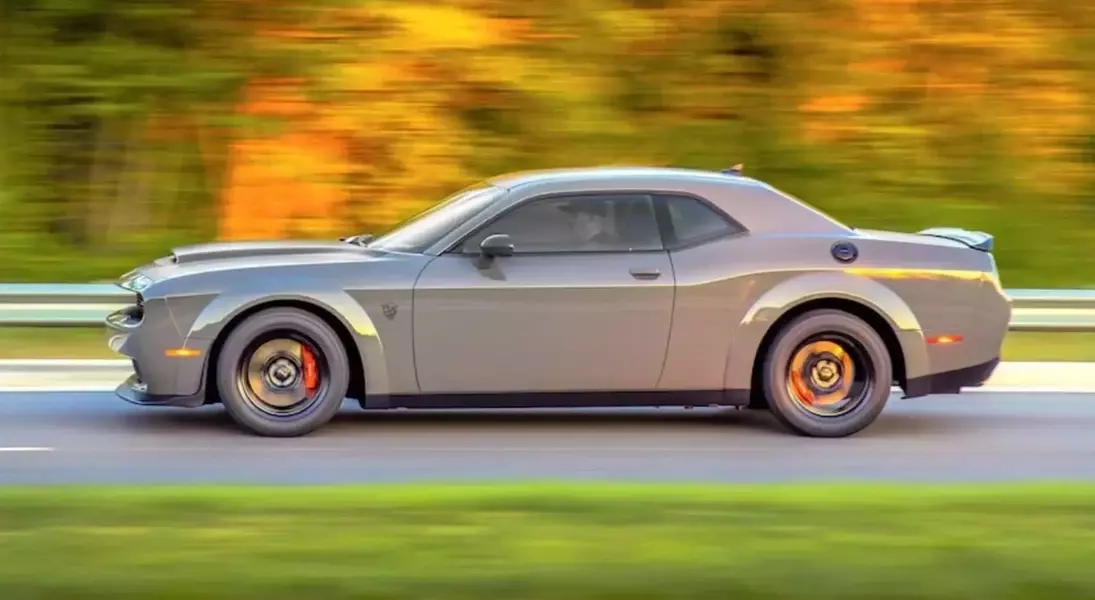
Stellantis, through its brands like Jeep and Dodge, also contributes to this vibrant discussion. Jeep, known for its adventurous color options, brought back "Reign," a dark purple, for 2026. This name carries a regal connotation, and its association with "Purple Rain" adds a layer of cultural reference. However, the article scrutinizes "Sting-Gray," pointing out the disconnect between "Sting" and the color gray, as the former often conjures images of yellow. Dodge's "Destroyer Gray," a popular re-introduced color for the Durango, fares better in the author's estimation, especially when linked to the powerful SRT version, as it evokes strength and resilience. "Bludicrous," a two-toned blue for Dodge's muscle cars, is praised for being clever, memorable, and fitting, successfully aligning with Opel's approach to impactful naming.
Porsche's "Chalk" and the Question of Luxury Aesthetics
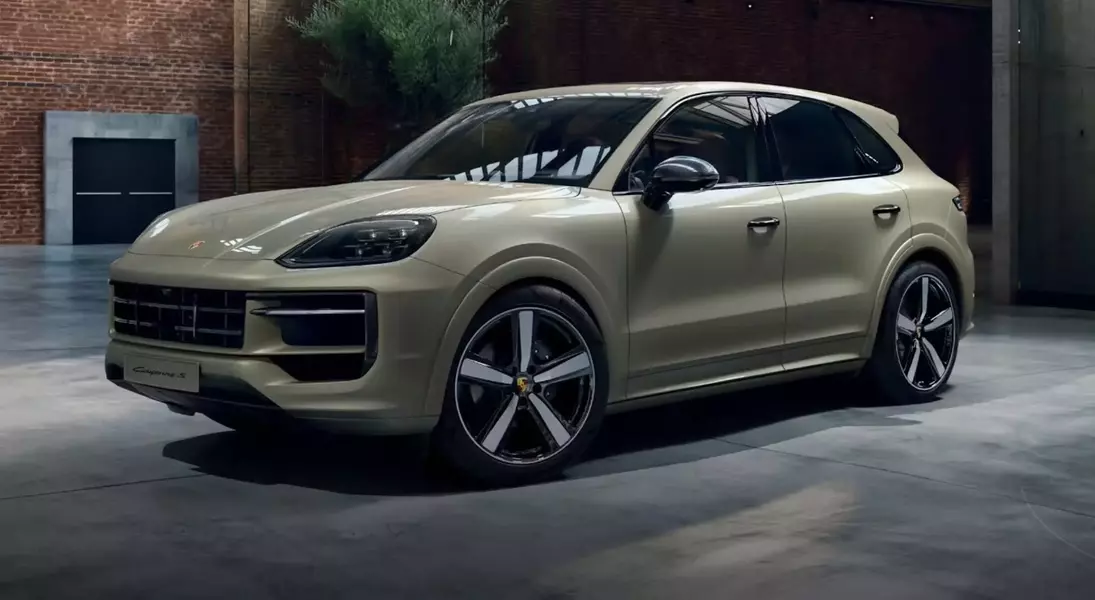
Even luxury brands like Porsche, typically lauded for their elegant color selections, are not immune to unconventional naming. While "Blackberry" interiors in models like the Taycan and Macan exude sophistication, "Chalk" for a light, pearlescent gray is deemed less appealing. The company's rationale, that the color resembles chalk dust, is met with skepticism, as chalk dust is not typically associated with luxury or cleanliness. The article notes that in other markets, this color is called "Crayon," a name equally disliked for its childish connotations. This choice is seen as an attempt by Porsche to be novel and distinguish itself, opting for uniqueness over traditional luxury descriptors.
BMW's "Java Green" and "Frozen Pure Gray Metallic": A Study in Contrast
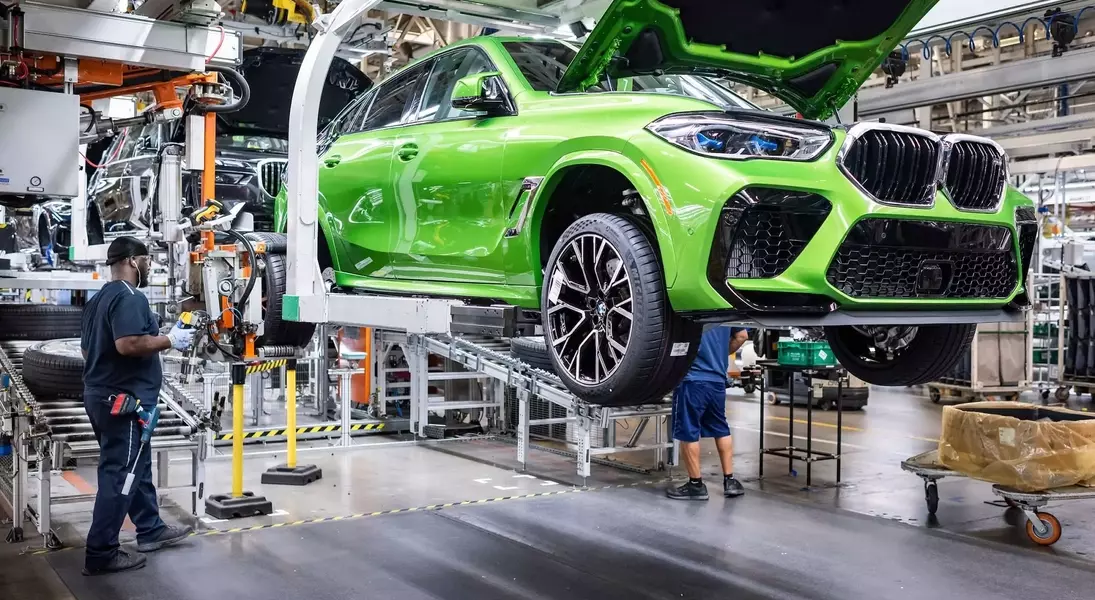
BMW, despite having iconic colors like "Laguna Seca Blue" which pays homage to a historic racetrack and evokes a sense of timeless elegance, also presents some curious color names. "Java Green," a metallic green, is questioned for its connection to "Java" or coffee, as there's little natural visual overlap beyond a very pale green coffee bean. Similarly, "Frozen Pure Gray Metallic" evokes imagery of glaciers and coldness, but associating "gray" with these terms only brings to mind dirty, grimy snow berms, which isn't an appealing visual. These examples highlight the occasional struggle to marry descriptive language with an aspirational image.
The Strategic Value of Unconventional Color Names
In conclusion, the article reflects on the overall trend of automakers employing quirky color names. While some names may seem odd or even cheesy at first glance, their very unconventionality makes them memorable. This suggests that, from a marketing perspective, the strategy is effective, creating conversation and brand recall among consumers. The author emphasizes that these observations are merely a point of discussion rather than a strong critique, acknowledging the role of these unique names in fostering engaging dialogues among car enthusiasts.
