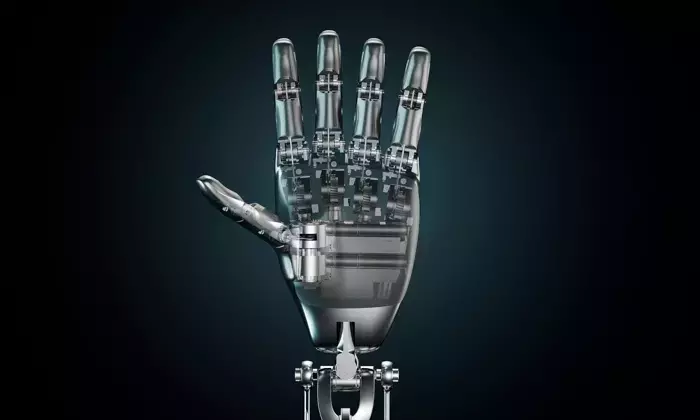
Tesla, predominantly known for its electric vehicles, may one day shift its core identity to that of a leading robotics innovator, with its Optimus humanoid robot potentially becoming the primary driver of its market value. While this transformation is anticipated to unfold over several decades, it aligns with broad market projections for the humanoid robotics sector. However, the path to achieving this vision is fraught with challenges, including intense competition and the evolving landscape of other burgeoning technologies like robotaxis.
Detailed Report on Tesla's AI and Robotics Endeavors
In a notable revelation, Tesla's latest strategic blueprint, "Master Plan Part 4," unveiled a significant pivot by introducing the Optimus humanoid robot. This marks a departure from its earlier plans, which primarily focused on electric vehicle innovation and energy solutions. In an announcement on the social platform X, Tesla CEO Elon Musk boldly asserted that Optimus could account for approximately 80% of Tesla's future valuation. As of early September, Tesla's market capitalization hovered around $1 trillion. For Musk's projection to materialize, the Optimus division would need to command a valuation of at least $4 trillion, implying substantial revenue generation from the robotics sector. Analysts from prominent financial institutions like Morgan Stanley and Citi have offered projections for the global humanoid robot market, estimating its potential to reach between $5 trillion and $7 trillion by 2050. If Optimus were to capture a modest share of this expansive market—ranging from 4.3% to 17.4% based on varying price-to-sales ratios—it could indeed achieve a multi-trillion-dollar valuation. Despite the long-term nature of these forecasts, Musk has expressed aggressive production goals, aiming for an annual output of one million Optimus units within five years, potentially generating around $30 billion in revenue by the early 2030s, translating to a valuation of nearly $400 billion. However, the burgeoning humanoid robotics market is not without its contenders; Chinese firms like Unitree and X-Humanoid have already showcased advanced capabilities, suggesting a competitive environment. Furthermore, Tesla's own ventures into robotaxi technology, which Ark Invest predicts could reach a $10 trillion market by 2030, might also significantly contribute to the company's valuation, potentially altering the proportion attributed to Optimus.
This ambitious outlook from Tesla underscores a fascinating shift in the technological landscape, where the lines between automotive, energy, and advanced robotics are increasingly blurring. The journey towards realizing Optimus's full potential will serve as a compelling case study on innovation, market disruption, and the complexities of long-term strategic planning in rapidly evolving industries.
