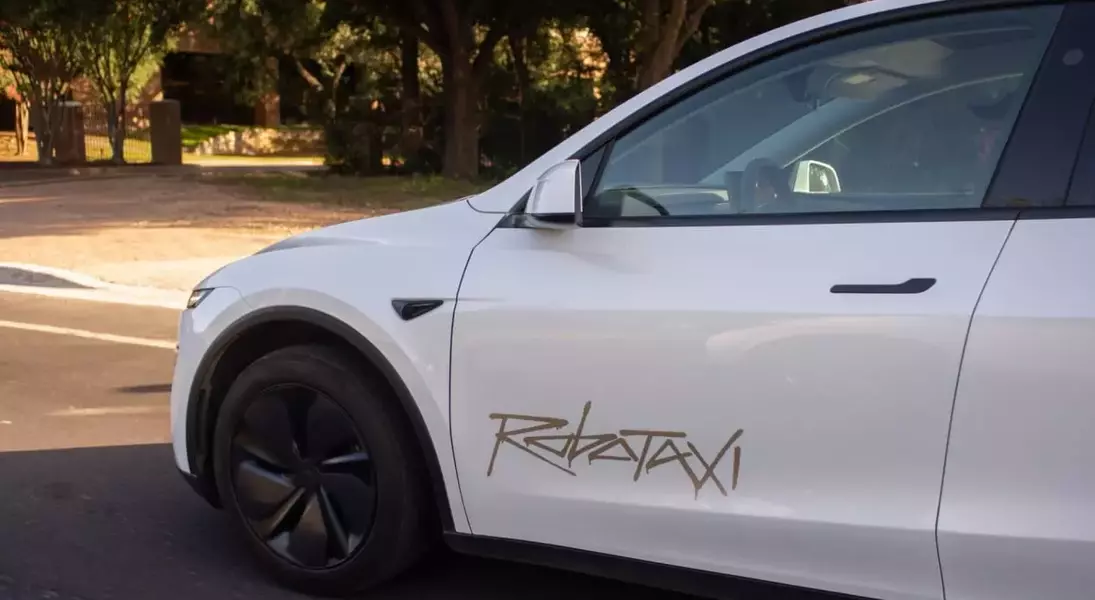
Tesla has extended its Robotaxi service to the San Francisco Bay Area, encompassing major cities like San Francisco and San Jose, as confirmed by CEO Elon Musk. This move follows the recent introduction and rapid expansion of the service in Austin. Yet, the operational model in the Bay Area diverges significantly from that in Austin, where vehicles operate without a driver, albeit with human supervisors present in the passenger seat. The new Bay Area service, while leveraging Tesla's Full Self-Driving capabilities, requires a human driver to remain in the driver's seat, prepared to take control, highlighting a nuanced approach to autonomous deployment.
On a recent Thursday, Tesla's AI division publicized a service map on X (formerly Twitter), illustrating extensive coverage across the San Francisco Bay Area. Elon Musk subsequently amplified this announcement, stating that users could now summon a Tesla for rides in the region, mirroring the service initiated in Austin. Enthusiasts of the brand have lauded this swift expansion, especially considering the Austin launch occurred less than two months prior, with its service area also seeing a rapid increase in scope shortly after its debut.
However, the nature of the "Robotaxi" service in the Bay Area has sparked discussion. Reports indicate that unlike Austin, where the cars genuinely navigate themselves without anyone in the driver's seat (though human supervisors are onboard), the Bay Area implementation includes a driver behind the wheel. These drivers are tasked with overseeing Tesla's Full Self-Driving system, allowing the vehicle to operate autonomously but requiring constant vigilance and readiness to intervene should the system falter. This operational distinction points to regulatory considerations; Politico has highlighted that Tesla lacks the necessary permit to deploy a completely driverless autonomous service in California. This situation stands in contrast to rivals like Waymo, which recently declared plans to introduce its autonomous ride-hailing services in Dallas next year, in addition to previously announced expansions in Miami and Washington D.C., suggesting varied regulatory landscapes impact the rollout of truly autonomous vehicles across different regions.
The current iteration of Tesla's Robotaxi service in the Bay Area, requiring human presence in the driver's seat, underscores the ongoing challenges and regulatory hurdles within the autonomous vehicle industry. While expanding geographical reach, the company's approach in California reflects the critical importance of permits for fully driverless operations. This positions Tesla's expansion as a strategic step, yet it also emphasizes the transitional phase of autonomous technology, where human oversight remains a crucial element in specific markets.
