





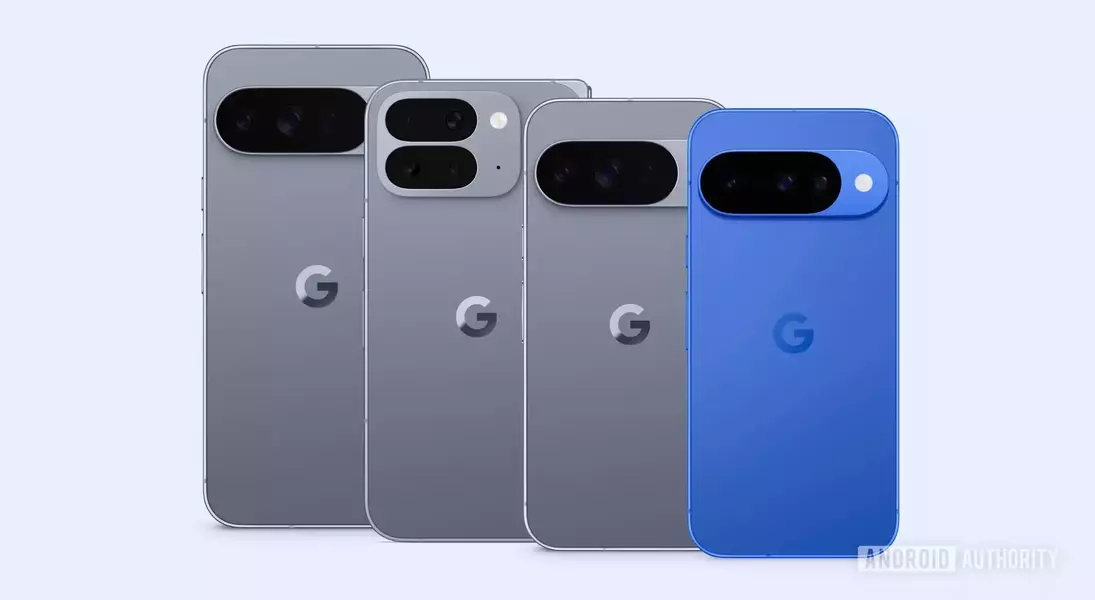

As Google prepares for its imminent hardware showcase, particularly highlighting the upcoming Pixel 10 series, a wealth of unofficial information has surfaced, painting a vivid picture of what consumers can expect. This new generation of devices is poised to introduce significant advancements across several key areas, including camera technology, processing power, and intelligent software integrations, while largely maintaining a familiar price structure. The anticipation builds around a potential lineup that encompasses the standard Pixel 10, the 10 Pro, the larger 10 Pro XL, and a new iteration of the foldable, the 10 Pro Fold.
A notable shift is expected in the camera department. The baseline Pixel 10 is rumored to receive a substantial upgrade, integrating a triple-lens rear camera system that, for the first time, includes a telephoto lens. This move aims to align its photographic capabilities more closely with the Pro models. However, this enhancement comes with a caveat, as reports suggest that the primary and ultrawide sensors on the Pixel 10 might see a downgrade, potentially utilizing components from the earlier Pixel 9A. This strategic decision by Google appears to be a trade-off, balancing added functionality with cost considerations. Conversely, the 10 Pro and 10 Pro XL are anticipated to retain camera setups consistent with their predecessors, ensuring premium imaging experiences. The 10 Pro Fold is also expected to feature a comparable camera array to the standard 10, with minor improvements to its main sensor.
Beyond the camera, several other exciting developments are on the horizon. The new Pixel devices are highly likely to embrace Qi2 wireless charging, a faster magnetic charging standard. This is supported by leaks indicating Google's development of a "Pixelsnap" accessory ecosystem, complete with magnetic chargers and stands. Furthermore, the slightly increased weight and thickness of the new handsets, according to leaked dimensions, could accommodate the necessary magnets for full Qi2 implementation. Powering these innovations will be the next-generation Tensor G5 chip. This chipset is reportedly shifting production to TSMC, promising a substantial boost in processing power that could significantly narrow the performance gap with rival devices.
Artificial intelligence is set to play an even more central role in the Pixel 10 experience. Google is reportedly developing advanced AI imaging features, such as "Speak-to-Tweak" for voice-controlled photo editing and "Sketch-to-Image," mirroring capabilities seen in competing devices. A new on-device virtual assistant, "Pixel Sense" (formerly rumored as "Pixie"), is also expected to debut. This assistant aims to leverage data from other Google applications to streamline tasks, offer proactive suggestions, and personalize user interactions, all processed locally for enhanced privacy and efficiency. These AI features are expected to be complemented by broader Android updates, including a refined Material 3 Expressive design and a desktop mode functionality.
Despite the array of technological advancements and strategic reconfigurations, consumers can breathe a sigh of relief regarding pricing. Leaked information suggests that Google intends to keep the cost of the Pixel 10 series largely consistent with last year's models. The base Pixel 10 is projected to start at $799 for the 128GB version, with the 10 Pro beginning at $999. While the 10 Pro XL might see a slight price increase, this is attributed to the discontinuation of its 128GB option, aligning its starting price with the 256GB model of the previous generation. The 10 Pro Fold is also expected to maintain its $1,799 starting price for the 256GB variant, with a new 1TB option available at a higher price point. This commitment to stable pricing underscores Google's strategy to deliver cutting-edge technology without imposing significant financial burdens on its users, making the Pixel 10 series an attractive proposition in the competitive smartphone market.
