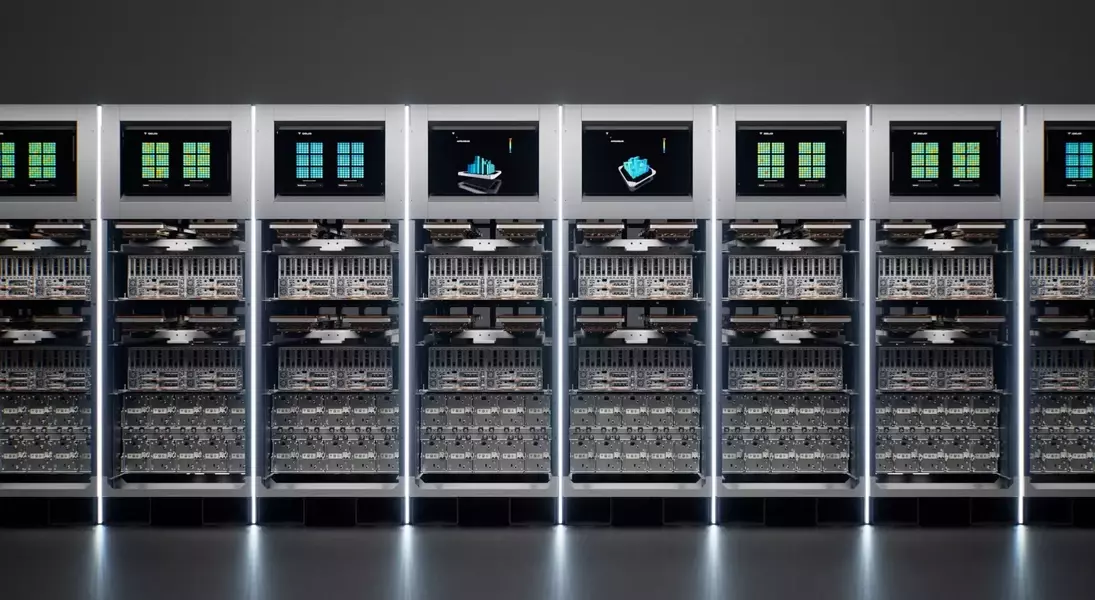
Tesla's advanced AI supercomputer initiative, known as Dojo, appears to be in disarray following a series of high-profile departures within its leadership and engineering teams. This setback has prompted re-evaluation of the company's vertically integrated artificial intelligence strategy, originally envisioned to provide a competitive edge in autonomous technology and robotics. The challenges underscore the critical role of human capital in groundbreaking tech ventures and the potential impact of leadership style on organizational stability and innovation.
For years, Tesla championed its bespoke Dojo supercomputer as the cornerstone of its self-driving and robotics ambitions. The vision, articulated by Elon Musk, was to develop an in-house computing infrastructure that would outpace competitors relying on external chip and compute suppliers. This vertical integration was intended to accelerate the training of complex machine learning models essential for features like Autopilot and Full Self-Driving, as well as for the Optimus humanoid robots.
However, this grand vision has encountered significant hurdles. A steady stream of key personnel exiting the project has plagued Dojo's progress. Jim Keller, a celebrated AI chip architect, departed in 2018. His successor, Ganesh Venkataramanan, also left in 2023 to establish Density AI. Most recently, Peter Bannon, who took over leadership of Dojo after Venkataramanan's exit, has joined Density AI, bringing with him a team of over 20 former Tesla engineers. This exodus of specialized talent has severely impacted the project's continuity and effectiveness.
In response to these developments, Musk acknowledged a shift in strategy, indicating on X that future AI chips for Tesla vehicles would prioritize inference capabilities while still being suitable for training. This suggests a potential move towards greater reliance on external hardware providers, a departure from the previously emphasized in-house development. Indeed, Tesla has already begun strengthening partnerships with companies like Samsung and TSMC for chip sourcing, signaling a more collaborative approach to its hardware needs.
The current state of the Dojo project raises pertinent questions about Tesla's strategic direction and its capacity to attract and retain leading AI professionals. While some observers may view this as a necessary financial recalibration given the capital-intensive nature of AI development and increasing competition in the EV market, others perceive it as a clear indicator of underlying issues within the company, possibly linked to Musk's controversial public persona and management style. The long-term implications for Tesla's competitive standing in the rapidly evolving AI landscape remain to be seen.
Ultimately, the challenges faced by Tesla's Dojo supercomputer initiative highlight a complex interplay of technological ambition, market dynamics, and leadership influence. The path forward for the company's AI aspirations will likely involve a more diversified approach to hardware and a renewed focus on fostering a stable environment for its engineering talent.
