
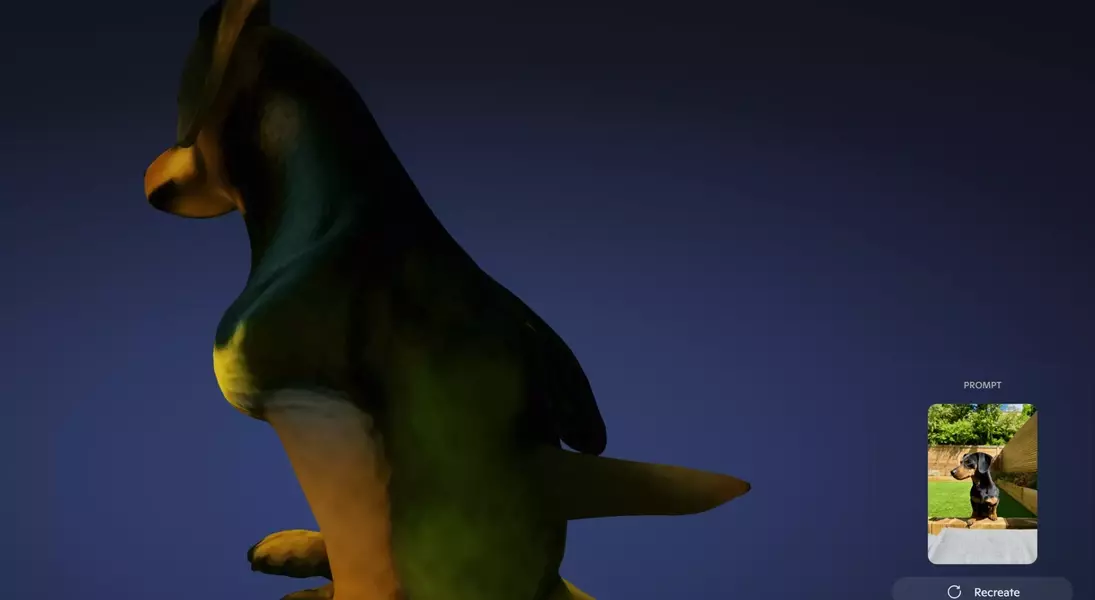
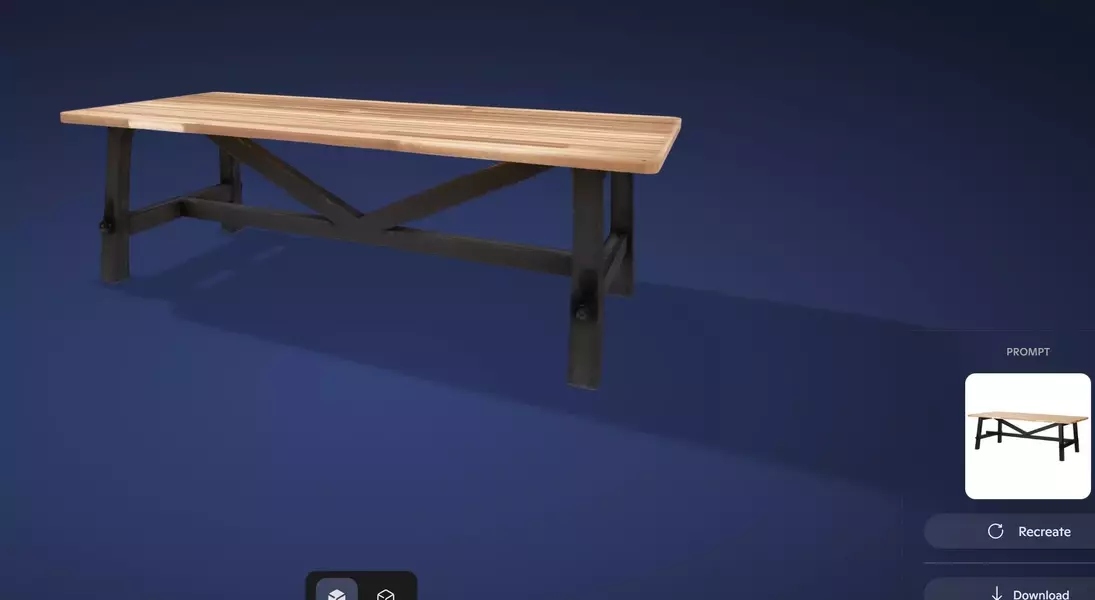

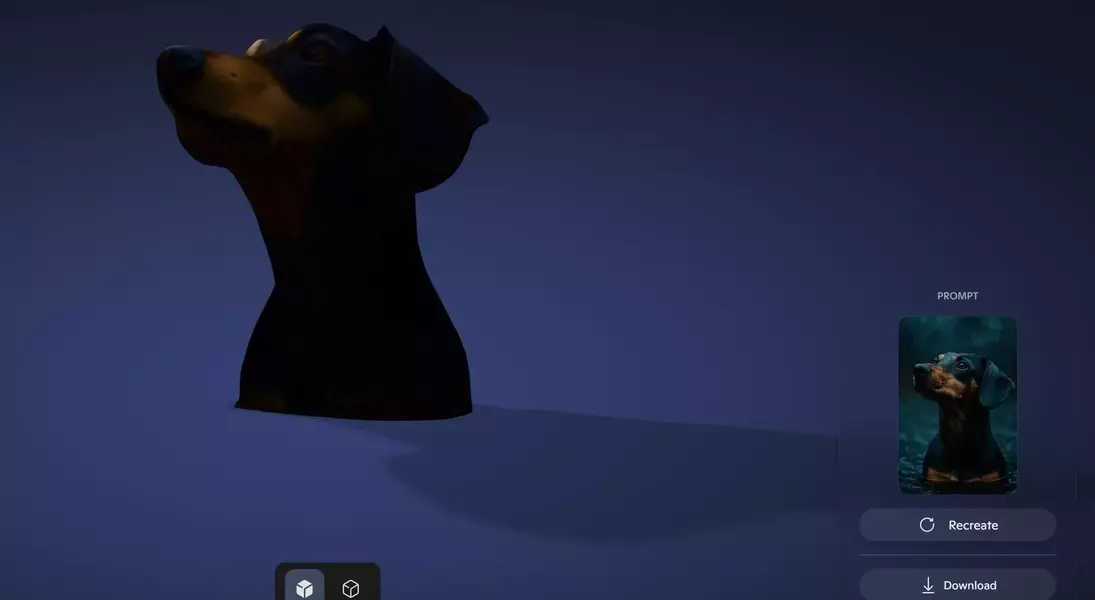

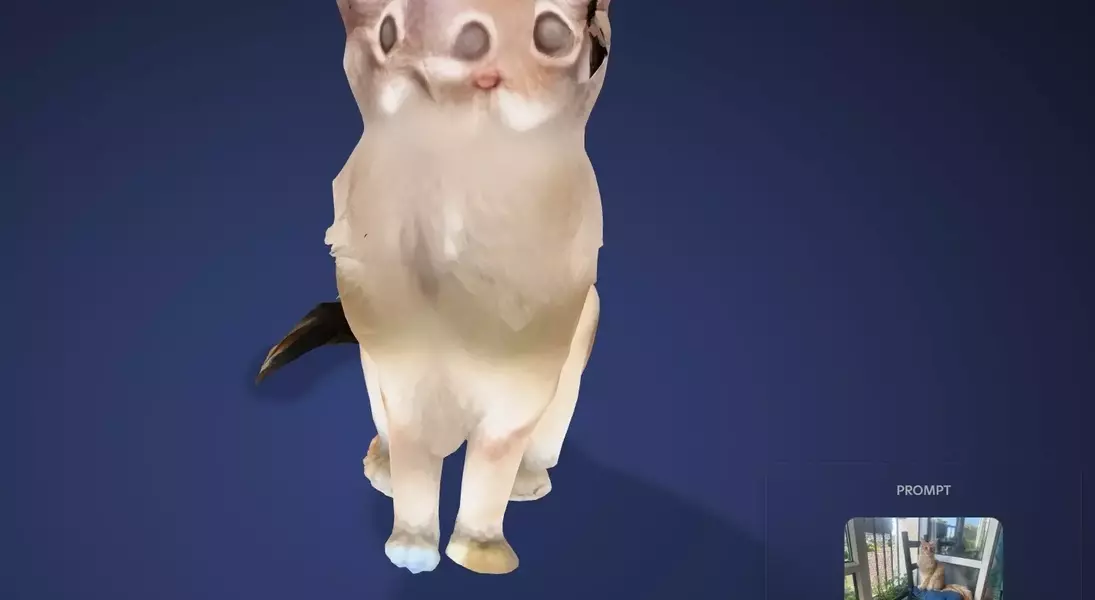
Microsoft's latest innovation, Copilot 3D, marks a significant step in AI-powered design, enabling the effortless transformation of flat images into dynamic three-dimensional models. This feature, part of the broader Copilot ecosystem, opens new avenues for professionals in game development, animation, and augmented reality, streamlining workflows and fostering creative exploration. While demonstrating remarkable precision with structured objects, its current iteration reveals humorous and unexpected results when faced with the complexities of living subjects, underscoring the ongoing challenges in perfecting AI's understanding of organic forms.
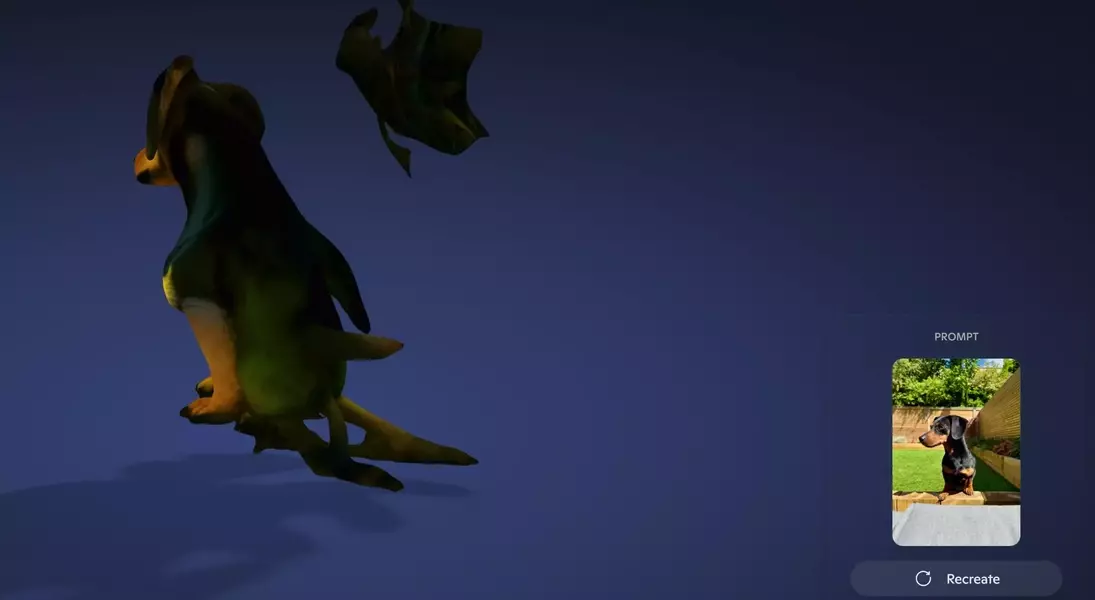
This cutting-edge tool is freely accessible to all Copilot users through Copilot Labs, showcasing Microsoft's commitment to democratizing advanced AI capabilities. Despite its impressive performance with inanimate objects like furniture, turning them into highly usable 3D assets, the system's attempts at rendering animals and human faces can lead to bizarre and often amusing distortions. These outcomes highlight the intricate nature of accurately capturing and re-creating biological structures in three dimensions, pointing to areas where AI still requires refinement and more nuanced comprehension.
The Promise of AI in 3D Design
Microsoft's new Copilot 3D feature is revolutionizing how we interact with and create 3D content, offering a seamless bridge between two-dimensional images and three-dimensional models. This innovative tool empowers users across various fields, from game design to architectural visualization, by significantly reducing the time and technical expertise traditionally required for 3D modeling. Its ability to extract depth and form from flat images, converting them into versatile GLB format files, represents a leap forward in accessible digital content creation, potentially democratizing 3D design for a broader audience. The straightforward process, requiring only a clean 2D image, makes it an invaluable asset for rapid prototyping and creative experimentation.
The utility of Copilot 3D extends across diverse industries, from immersive virtual reality experiences to practical 3D printing applications. Imagine effortlessly converting product photos into interactive 3D models for e-commerce, or transforming blueprints into virtual walkthroughs. The technology simplifies complex tasks, enabling designers and developers to integrate 3D elements into their projects with unprecedented ease. This advancement not only accelerates the design cycle but also fosters a more iterative and experimental approach to creation, allowing for quick adjustments and real-time visualization. The GLB output format ensures broad compatibility, making these AI-generated models ready for immediate use in popular design software and game engines, further enhancing their practical value.
Navigating the Quirks and Ethical Boundaries
While Copilot 3D excels with geometric and inanimate objects, its performance with organic forms, such as animals and humans, presents notable and often comical limitations. The AI's struggle to accurately interpret and reconstruct the nuanced contours of living beings can lead to bizarre and distorted models, highlighting a critical area for future development. These unexpected outcomes, while amusing, underscore the complexity of teaching AI to understand and reproduce the intricate details of biological anatomy. This disparity in performance suggests that while the technology is incredibly promising for certain applications, its proficiency varies significantly depending on the nature of the source material.
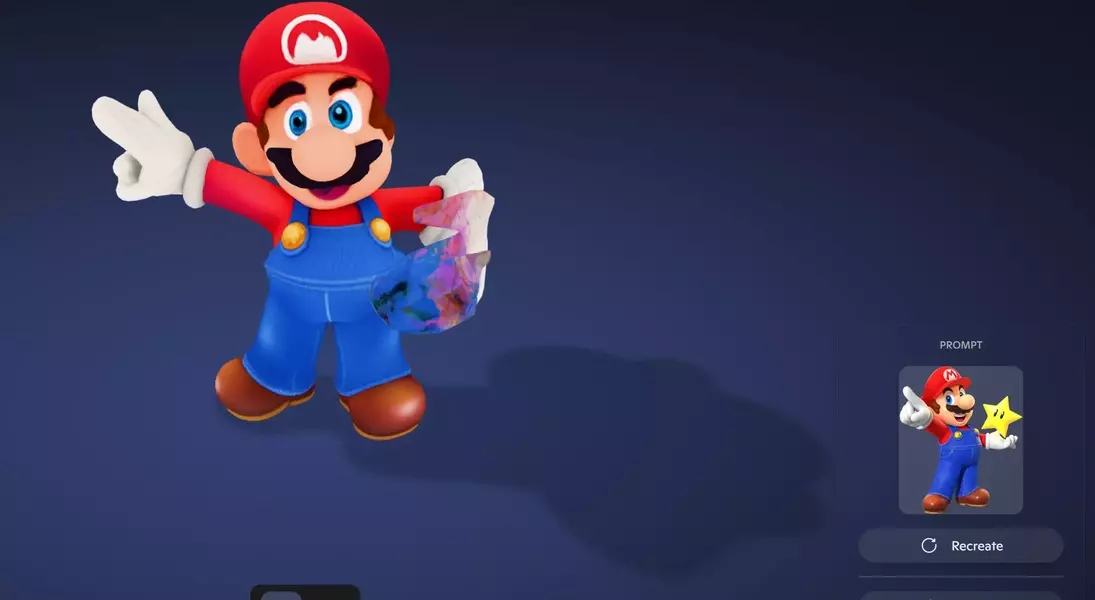
Beyond its technical nuances, Copilot 3D also operates within a strict ethical framework, emphasizing the importance of consent and intellectual property rights. Microsoft has implemented robust guardrails to prevent the generation of content that infringes on copyright or depicts individuals without their permission. Attempts to convert images of public figures or copyrighted characters are met with denial, demonstrating a commitment to responsible AI usage. Users are explicitly warned that uploading illicit or inappropriate content may lead to account suspension. This responsible approach, while occasionally limiting creative freedom for some users, is crucial for fostering a safe and ethical environment for AI innovation, ensuring that groundbreaking technology is developed and utilized in a manner that respects privacy and legal standards.
