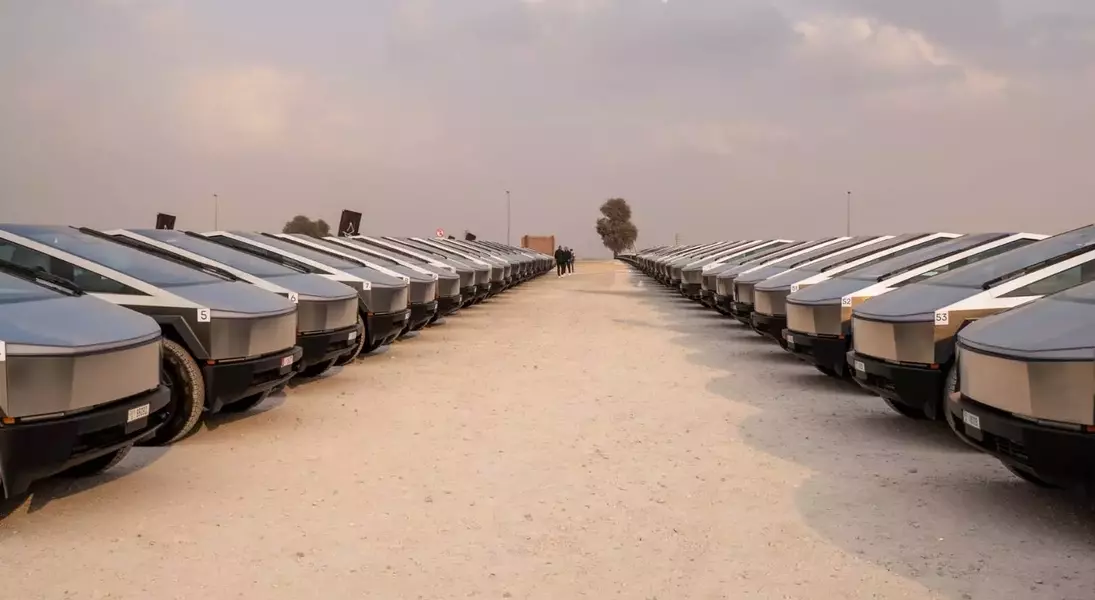
In a significant turn for the electric vehicle industry, Tesla, a dominant force in the market, has encountered a substantial issue with unsold inventory. The first quarter of 2026 saw the company produce approximately 50,000 more vehicles than it successfully delivered, marking the largest gap between manufacturing output and consumer sales in its operational history. This development is attributed to several converging factors, including a noticeable slowdown in consumer demand for electric vehicles, the cessation of federal tax incentives that previously buoyed sales, and an intensified competitive landscape. This unprecedented stockpile of vehicles not only presents a considerable challenge for Tesla but also prompts broader discussions regarding the future direction and stability of the global electric vehicle market.
Details of Tesla's Inventory Surplus Challenge
As of April 7, 2026, Tesla is grappling with a substantial accumulation of unsold electric vehicles, reaching a staggering 50,000 units. This marks a critical juncture for the pioneering EV manufacturer, as demand for its products appears to be waning while fierce competition continues to intensify across the sector. The expiration of critical tax incentives further compounds the challenge, making electric vehicles less appealing to a segment of potential buyers. This situation, characterized by an unprecedented inventory surplus, casts a shadow over both the immediate prospects of the company and the long-term outlook for the electric vehicle market at large. The figures for the first quarter of 2026 reveal that Tesla produced 408,386 vehicles but only managed to deliver 358,023. This imbalance, as reported by USA TODAY, illustrates a significant deviation from Tesla's historical efficiency in managing supply and demand. While sales technically saw a 6% increase year-over-year, they fell short of expert predictions, highlighting underlying market shifts. The cooling U.S. EV market, with a notable sales decline in early 2026, further underscores the industry-wide challenges.
This situation is not solely a Tesla-specific issue but rather a microcosm of a broader recalibration within the electric vehicle industry. Several automotive manufacturers are either scaling back their EV programs or postponing new model introductions, signaling a period some analysts refer to as an "EV winter." This era is marked by a transition from rapid, incentive-driven growth to a more gradual, market-driven adoption phase. For Tesla, additional factors contribute to its current predicament. The polarizing public image of its CEO, Elon Musk, has been identified by some as a potential detractor for brand perception. Furthermore, Tesla's core product lineup, heavily reliant on the Model Y and Model 3, is showing signs of aging in a rapidly evolving market. Despite ambitious ventures into robotaxis and autonomous driving technologies, the company's immediate success hinges on its ability to effectively sell its current vehicle offerings, a task made increasingly difficult by the burgeoning inventory.
This unfolding narrative serves as a potent reminder of the dynamic nature of emergent markets. While the initial surge of enthusiasm for electric vehicles was fueled by innovation and government incentives, the current scenario indicates a necessary pivot towards sustainable market demand and competitive pricing. It highlights that even industry leaders like Tesla are not immune to market fluctuations and the imperative for continuous adaptation and strategic foresight in a rapidly evolving global economy. The lessons learned from this period will undoubtedly shape the future strategies of EV manufacturers and influence the pace of electric vehicle adoption worldwide.
