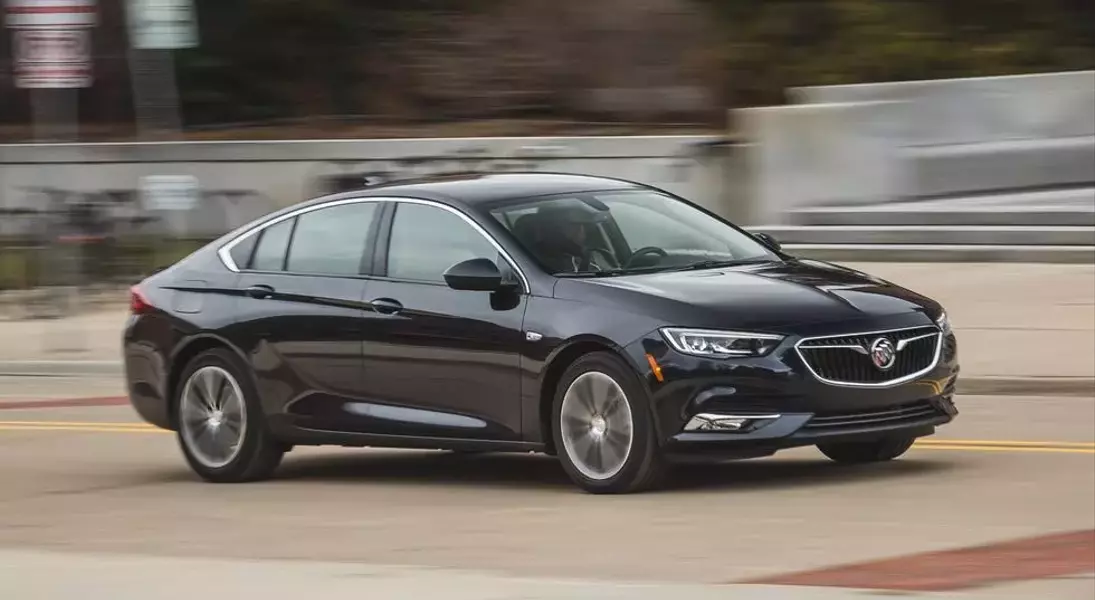


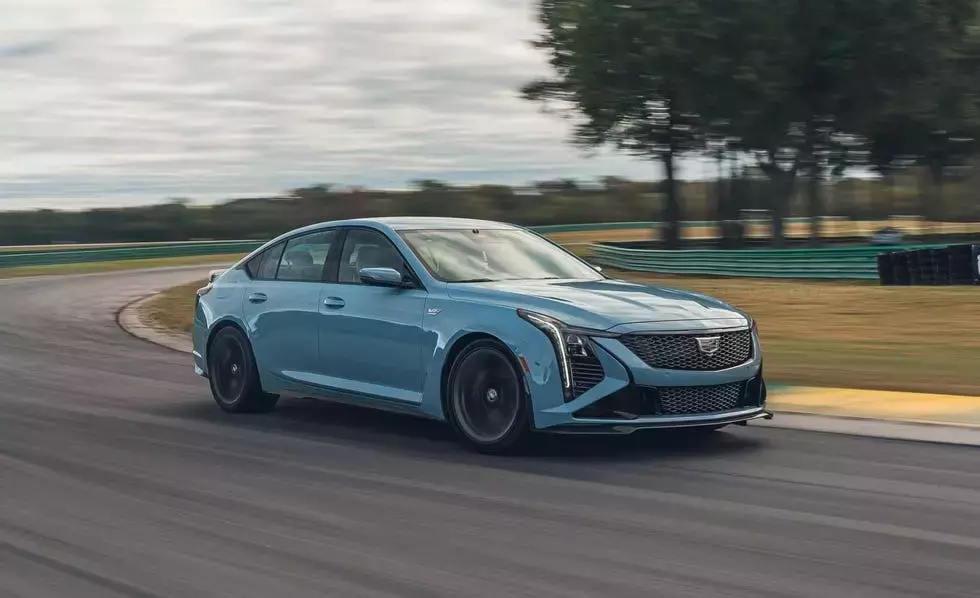
General Motors is poised to expand its passenger car offerings, bringing back the Chevrolet Camaro and introducing a new Buick sedan, alongside a next-generation Cadillac CT5. These three vehicles are expected to share a common updated Alpha platform, marking a strategic move by GM to reinforce its presence in the sedan market, which has seen increased focus despite the continued dominance of SUVs and trucks. Production is anticipated to commence in late 2027 at the Lansing Grand River Assembly plant in Michigan.
This initiative reflects GM's commitment to diversifying its portfolio and catering to a broader consumer base. The shared platform approach aims to streamline production and leverage existing architectural strengths, while allowing each brand to maintain its distinct identity and appeal. Enthusiasts are particularly eager for the return of the Camaro and the potential re-entry of Buick into the non-SUV segment in the U.S. market.
General Motors' Strategic Platform Sharing and Production Plans
General Motors is reportedly gearing up to launch a new generation of sedans, including a revitalized Chevrolet Camaro, an all-new Buick sedan, and an updated Cadillac CT5. These models are projected to be built on an enhanced version of the Alpha platform, currently utilized by the Cadillac CT4 and CT5. This strategic decision highlights GM's ongoing efforts to optimize its manufacturing processes and foster cross-brand synergy, ensuring a consistent foundation for a diverse range of vehicles. The Lansing Grand River Assembly plant, a key facility for GM, has been designated as the production hub for these vehicles, with an estimated start date in the autumn of 2027. This move underscores a broader industry trend towards shared architectures to achieve economies of scale and accelerate development cycles, while maintaining brand-specific design and performance characteristics.
The integration of these three distinct models onto a common platform is a testament to GM's engineering prowess and its long-term vision for the passenger car market. By leveraging an updated Alpha architecture, GM can ensure that the new Camaro maintains its performance-oriented legacy, the Buick sedan offers a refined and comfortable driving experience, and the Cadillac CT5 continues to deliver luxury and dynamic capabilities. The planned annual production volume of 60,000 to 75,000 units for the CT5 and Camaro combined reflects a confident outlook for these models. Furthermore, the commitment to internal combustion powertrains, potentially including a next-generation small-block V-8 for high-performance variants, underscores GM's dedication to offering powerful and engaging driving options, even as the industry trends towards electrification. This strategic alignment of platforms, production, and powertrain development positions GM to effectively compete in various segments of the global automotive market.
The Return of Iconic Models and Buick's Sedan Re-entry
The automotive landscape is buzzing with news of General Motors' ambitious plans to reintroduce the iconic Chevrolet Camaro and a new Buick sedan, alongside a refreshed Cadillac CT5, all scheduled for production by late 2027. This development signals a potential shift in GM's focus, suggesting a renewed emphasis on sedans within a market increasingly dominated by SUVs and trucks. The Camaro, a celebrated sports car, is set to make a comeback, while Buick's return to the U.S. sedan market is particularly noteworthy, given the brand's recent concentration on utility vehicles. These new models, all sharing an advanced Alpha platform, aim to offer consumers compelling alternatives and demonstrate GM's commitment to a diverse product portfolio. The anticipation surrounding these launches is high, as they represent a blend of heritage and forward-thinking automotive design.
The reintroduction of the Camaro is expected to excite enthusiasts, building on its rich legacy while incorporating modern advancements from the updated Alpha platform. Similarly, the new Buick sedan could mark a significant turning point for the brand in the U.S., potentially offering a rear-wheel-drive option for the first time in decades, a feature that could appeal to a niche yet passionate segment of buyers. The next-generation Cadillac CT5 will continue to uphold its reputation for luxury and performance, with strong indications of retaining internal combustion engines, and possibly a V-8 variant. These strategic moves highlight GM's intent to not only cater to established customer bases but also to attract new ones through innovative design, robust engineering, and a compelling blend of power and efficiency. The prospect of these American-made vehicles hitting the market in 2027 generates considerable excitement and speculation about their impact on the competitive automotive industry.
