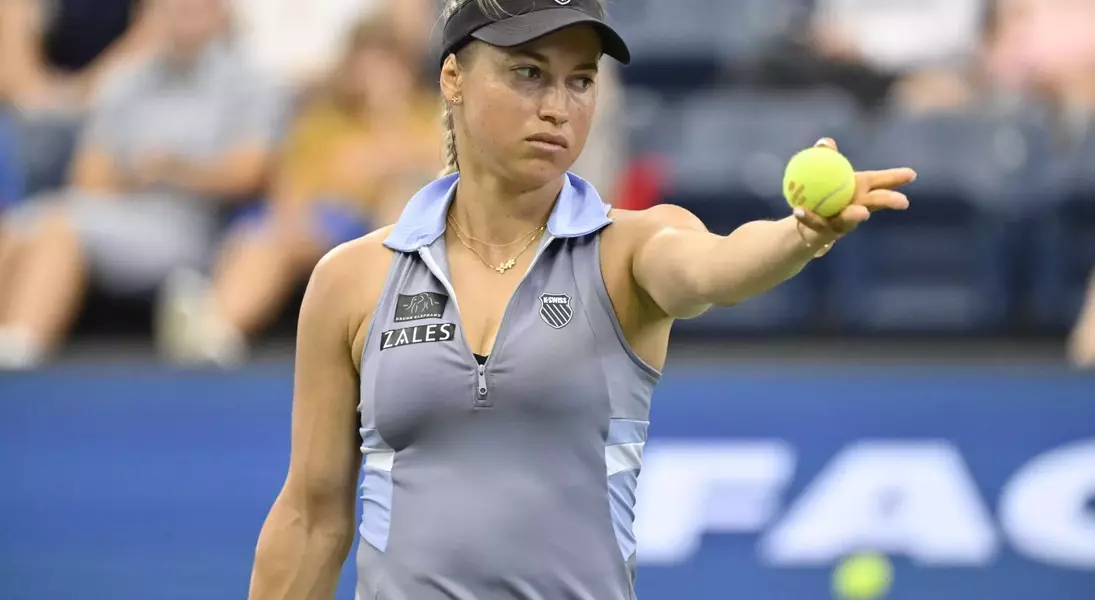
A recent tennis match at the Bad Homburg Open ignited a significant controversy between Yulia Putintseva and Maria Sakkari, extending beyond the court into a public spectacle. The dispute began after Sakkari's triumph over Putintseva, where a seemingly routine post-match handshake rapidly devolved into a heated exchange of words. Sakkari reportedly told her opponent, \"nobody likes you,\" setting off a chain of events that has captivated the tennis world.
In the aftermath of the match, Putintseva took to social media to directly address Sakkari's comments. She shared video evidence suggesting Sakkari's own history of perceived unsportsmanlike conduct, specifically highlighting instances where Sakkari herself avoided eye contact during handshakes with other players like Emma Raducanu and Martina Trevisan. Putintseva’s post, featuring a pointed clown emoji, underscored the hypocrisy she perceived in Sakkari’s accusations. This online rebuttal further inflamed the situation, drawing widespread attention and debate among fans and commentators alike, turning a match incident into a full-blown public rivalry.
This escalating animosity suggests that the tension between these two athletes is far from over. With major tournaments like Wimbledon on the horizon, the tennis community anticipates whether this burgeoning feud will continue to generate headlines and add an extra layer of drama to future competitions, especially if their paths cross again on the court.
Such incidents, while sometimes regrettable, underscore the intense pressure and emotional investment inherent in professional sports. They serve as a reminder that athletes, despite their public personas, are human beings subject to the same range of emotions and reactions as anyone else. Ideally, these rivalries, however contentious, can ultimately channel competitive spirit into even more compelling performances, pushing both individuals and the sport itself to new heights of excellence and engagement.
