

Tau Ceti, a star system situated approximately 12 light-years from Earth, has emerged as a surprisingly consistent and celebrated locale within the realm of science fiction. While in reality it is known to host four exoplanets (e, f, g, and h) and was first cataloged in 1603, its fictional depictions span decades, providing fertile ground for narratives ranging from humanity's desperate struggle for survival to exploratory endeavors on distant worlds. This enduring popularity stems from a confluence of factors, including its scientific plausibility as a potentially habitable system, its relative proximity to our solar system, and the historical timing of its discovery, which allowed early storytellers ample room for imaginative speculation before extensive scientific data became available.
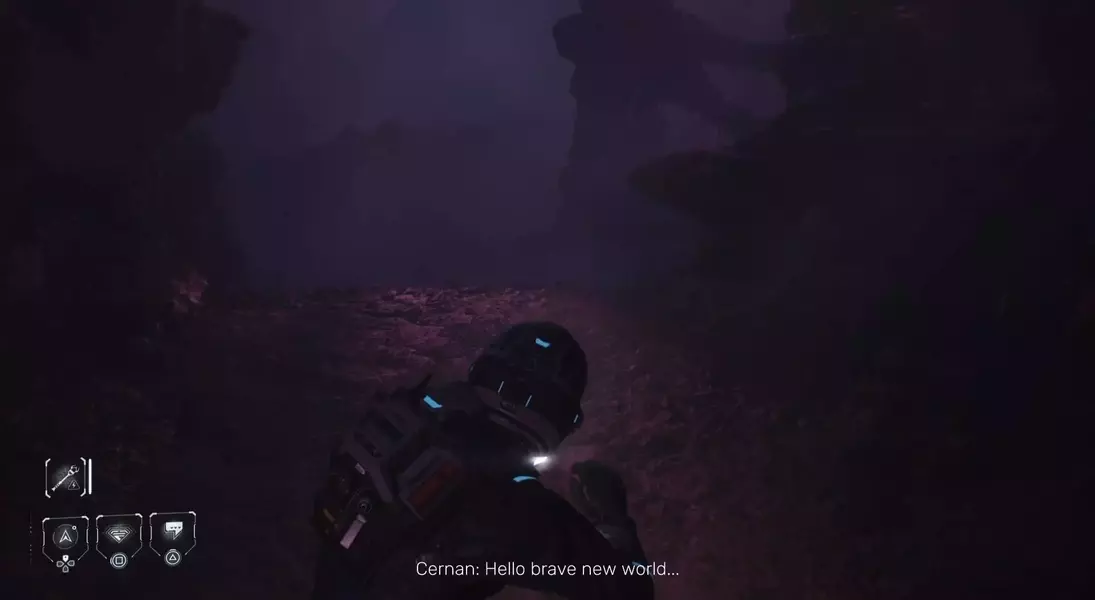
Recent years have seen a resurgence of Tau Ceti in prominent science fiction works. Andy Weir's 2021 novel, Project Hail Mary, which is slated for a 2026 film adaptation starring Ryan Gosling, centers on a mission to this star system to secure Earth's future. Similarly, Bungie's reboot of their classic 1994 FPS, Marathon, is set on Tau Ceti IV, where players navigate the remnants of a human settlement. Adding to this trend, Supermassive Games' latest Dark Pictures Anthology horror title, Directive 8020, chronicles a colony ship scouting Tau Ceti f for its suitability as a future home for humanity. These examples underscore the star system's continued relevance and appeal to contemporary creators.
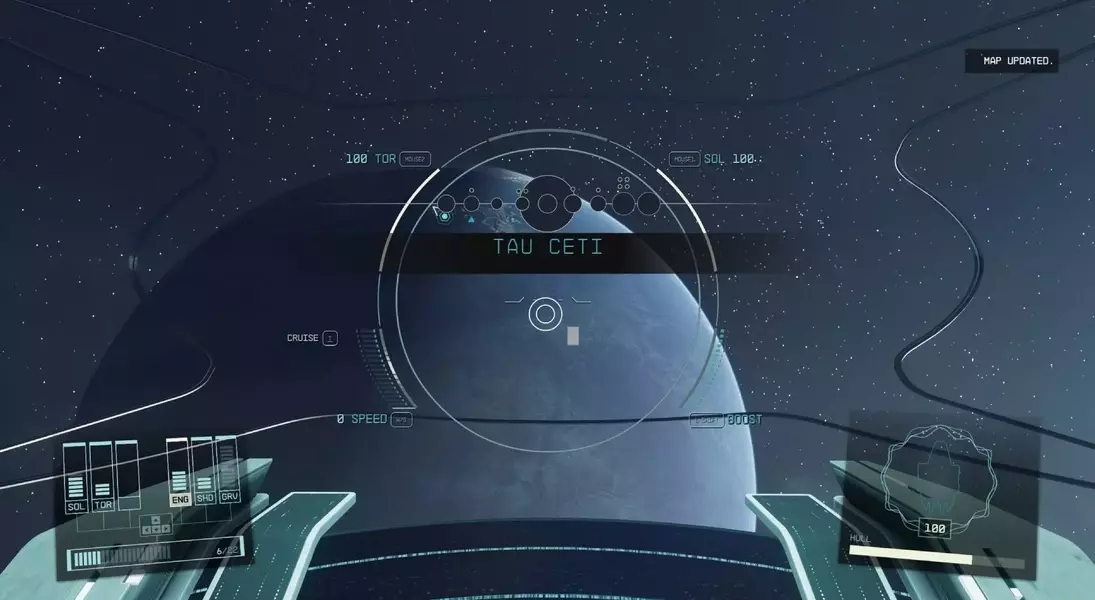
The allure of Tau Ceti as a fictional destination is not a new phenomenon. Even the original Marathon series featured the UESC Marathon ship undertaking a colonization effort on Tau Ceti IV. Going further back, 1999's influential System Shock 2 saw the Von Braun vessel respond to a distress signal emanating from Tau Ceti V. In 1985, the video game Tau Ceti tasked players with navigating cities on Tau Ceti III, battling robotic defenses. Moreover, Ursula K. Le Guin's 1974 Hugo, Locus, and Nebula award-winning novel, The Dispossessed, established its twin inhabited worlds, Anarres and Urras, within the Tau Ceti system. Even in games like Starfield, where it might not be central to the plot, Tau Ceti, with its nine exoplanets and numerous moons, offers players an expansive and explorably rich environment, demonstrating its versatility as a setting.
The primary reason behind Tau Ceti's consistent adoption in science fiction is its scientific profile. It is widely considered one of the most promising candidates for habitability known to humankind. Its relatively close proximity to Earth, a mere 12 light-years, makes it feel tangibly within reach for future interstellar travel. Furthermore, the Tau Ceti star itself shares many characteristics with our own sun, and its four confirmed exoplanets possess conditions that scientists believe could theoretically support life. Will Doyle, creative director for Directive 8020, emphasized this point, stating that Tau Ceti f's scientific recognition as a leading candidate among sun-like star systems made it a realistic backdrop for their narrative.
Jonathan Goff, the narrative lead for Marathon, elaborated on the system's suitability, explaining that its real-world characteristics provide a scientifically grounded framework for exploring the complexities of space travel, the challenges, perils, and wonders of interstellar exploration, and the establishment of extraterrestrial colonies. While Alpha Centauri remains a popular choice in sci-fi, Tau Ceti's current prominence over other potentially promising systems like Trappist, Proxima Centauri, and Kepler can be attributed to its earlier discovery. This early awareness, coupled with a simple, memorable name, allowed for extensive speculative storytelling before more detailed scientific understanding emerged. The fact that much about Tau Ceti remains unknown fuels imagination, offering creators a 'blank slate' to project their visions of alien worlds and civilizations. Its distance, a sweet spot between being too close to lack mystery and too far to feel relatable, perfectly positions it as a destination for narratives that blend realism with speculative wonder.
The Tau Ceti system, a mere 12 light-years from Earth, holds a unique and enduring appeal for science fiction storytellers. Its scientific plausibility as a habitable environment, coupled with its historical discovery preceding extensive detailed knowledge, has made it a versatile canvas for countless narratives. From humanity's desperate quests for new homes to alien encounters and grand interstellar adventures, Tau Ceti provides a tangible yet mysterious backdrop that fuels the imagination. Its consistent presence in both classic and contemporary works underscores its status as a foundational element in the genre, offering a blend of scientific grounding and boundless creative potential for exploring humanity's future among the stars.
