The concept of liminal spaces, characterized by their unsettling and transitional nature, has captured the imagination across various media. These environments, often once bustling but now devoid of activity, evoke a profound sense of unease and mystery. This phenomenon, which gained viral traction with 'The Backrooms,' initially a cryptic 4chan post, has evolved into a popular YouTube series and an indie horror game, now inspiring an upcoming A24 film. Beyond visual storytelling, authors have masterfully woven these disquieting settings into their narratives, creating equally eerie literary experiences. For enthusiasts awaiting the film adaptation or those who have enjoyed similar works, these books offer a deep dive into the unsettling world of liminality.
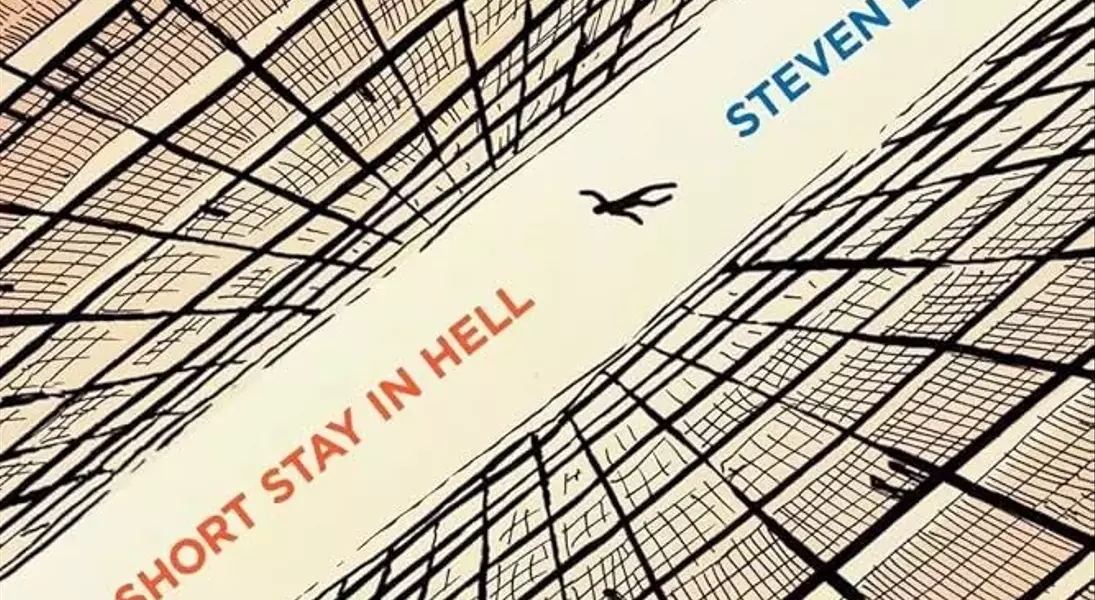
Steven L. Peck's novella, 'A Short Stay in Hell,' presents a chilling interpretation of an infinite library, challenging the notion of a literary paradise. The protagonist, Soren Johansson, finds himself in a seemingly endless quest to locate the book detailing his life story within this vast, infernal archive. Despite its brevity, this work delivers a powerful existential punch, compelling readers to revisit its themes of futility and cosmic dread. The narrative cleverly transforms what might initially seem like a dream into a nightmarmarish reality, trapping the character in an eternal search within a boundless space.
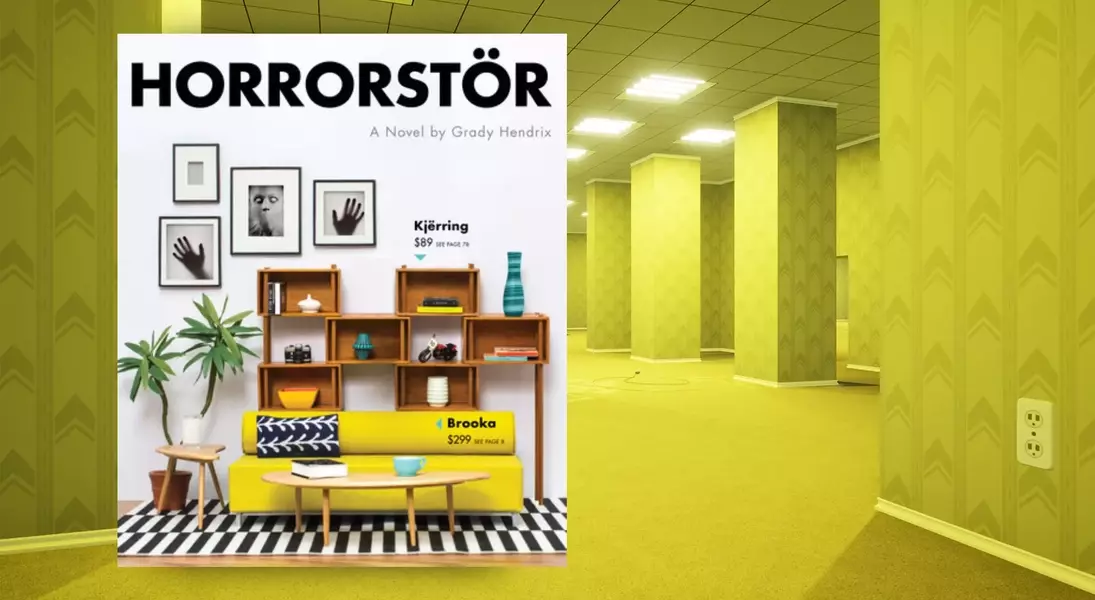
Grady Hendrix's 'Horrorstör' ingeniously blends humor with horror in a haunted furniture superstore, reminiscent of a paranormal 'Night at the Museum.' Designed to mimic a home decor catalog, the book's chapters subtly escalate in their disturbing descriptions of furniture, mirroring the store's descent into chaos. The narrative follows Orsk employees as they attempt to uncover the source of nightly destruction, leading them to spend a terrifying night locked within the eerie showroom. This story brilliantly uses the mundane setting of a retail store to create a disorienting and increasingly frightening experience, highlighting how familiar spaces can become utterly alien.
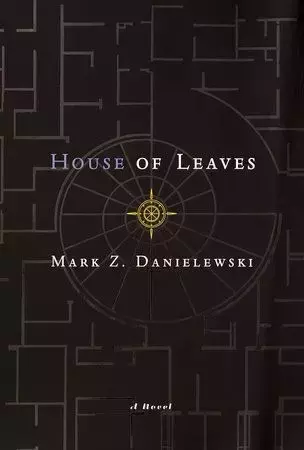
'House of Leaves' by Mark Z. Danielewski is a canonical work in the exploration of liminal spaces, renowned for its complex narrative structure and disorienting presentation. The novel unfurls through the discovery of a mysterious academic manuscript about a film, 'The Navidson Record,' which details a family's encounter with a house that is inexplicably larger on the inside. As the protagonist, Johnny Truant, investigates, he uncovers layers of unreliable narration and a reality that bends and warps. With its unconventional typography, footnotes, and shifting perspectives, the book mirrors the labyrinthine nature of its central house, inviting readers to get lost within its pages as easily as characters get lost within its walls.
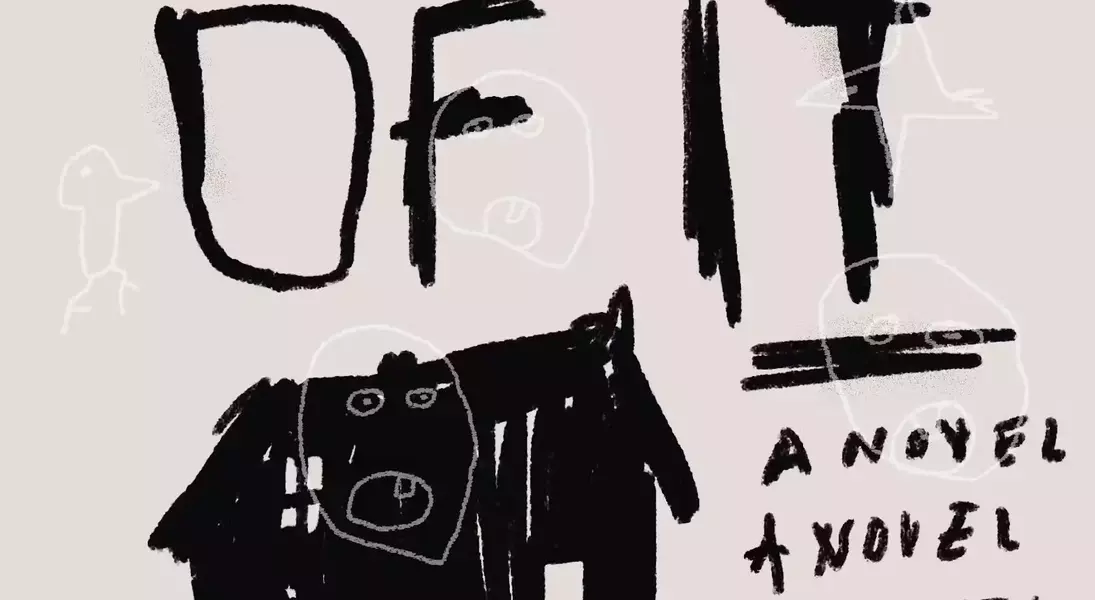
Jac Jemc's 'The Grip of It' offers another captivating journey into a strange, liminal dwelling for those who appreciate 'House of Leaves.' The story follows James and Julia, a couple whose new home slowly turns against them. The house manifests monstrous drawings, reveals hidden rooms, and even physically impacts Julia, blurring the lines between the domestic and the supernatural. As they delve into the history of their enigmatic abode and its previous occupants, their reality becomes increasingly fractured and perilous. This novel excels at building a pervasive sense of dread, leaving readers to question the origins of the unsettling occurrences within the house.
These literary works collectively showcase the diverse ways in which authors harness the power of liminal spaces to evoke suspense, existential horror, and a profound sense of the uncanny. From an endlessly expanding library to a haunted furniture store and houses that defy physical laws, these narratives delve into the psychological impact of environments that feel both familiar and terrifyingly alien. They serve as compelling invitations for readers to step outside their comfort zones and confront the unsettling beauty of the in-between.
