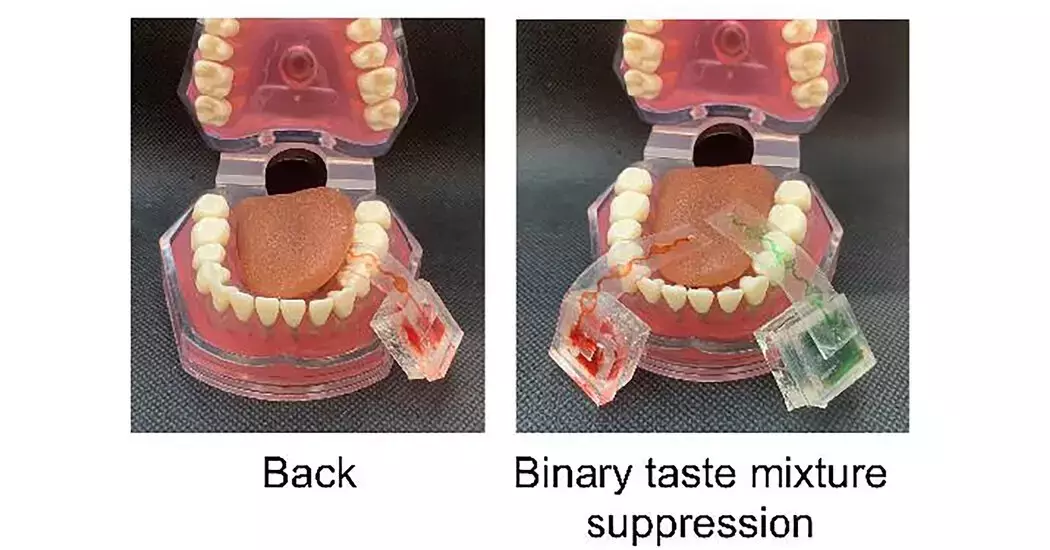
Researchers have developed an innovative device that simulates flavors from remote locations, allowing users to experience tastes as if they were present. This breakthrough technology uses microfluidics and various substances to transmit flavors like coffee, lemonade, fried eggs, cake, and fish soup. The potential applications range from enhancing virtual social interactions to improving online shopping experiences by enabling consumers to taste products before purchasing.
Revolutionizing Remote Sensory Experiences
The new invention represents a significant leap in sensory technology, expanding beyond traditional visual and auditory inputs. By incorporating taste into remote interactions, this device opens up possibilities for more immersive communication. Imagine being able to share a meal with someone across the globe or tasting recipes from cookbooks without preparing them. Although currently experimental, this technology promises to bridge distances in unprecedented ways.
This innovative system operates through a series of small packets containing different flavoring agents such as salt water, citric acid, and glucose. These packets are connected via tubes to a mouthpiece worn by the user. When activated by signals from a distant sensor, the packets release their contents into the user’s mouth, delivering the intended flavor. In one demonstration, researchers successfully transmitted the taste of lemonade from one location to another. While still in its early stages, this setup showcases the potential for transmitting a wide variety of flavors remotely.
Potential Applications and Future Developments
Beyond its novelty, this technology has practical implications for everyday life. Users can sample foods and beverages before committing to making them, enhancing decision-making processes. Online grocery stores could integrate virtual tasting options, allowing customers to try different hot sauces or other products before buying. The ability to taste remotely could also revolutionize how we experience media, adding a new dimension to virtual reality and entertainment.
Despite its current limitations, including bulkiness and complexity, ongoing research aims to refine the device for broader use. Scientists envision a future where taste and smell can be shared as easily as images and sounds. Other teams are also exploring similar concepts, signaling a growing interest in expanding our sensory experiences beyond physical boundaries. As these technologies evolve, they promise to transform how we interact with the world around us, bringing distant flavors closer than ever before.
