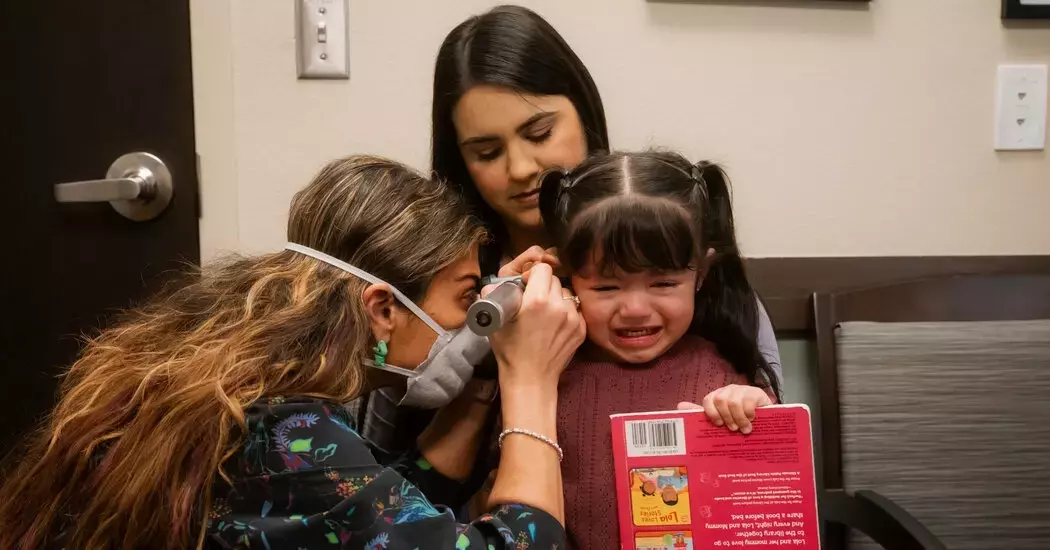
In a small, rural area of Texas, the community is grappling with a significant health crisis. Dr. Wendell Parkey, a dedicated physician in Seminole, has been at the forefront of efforts to combat the largest measles outbreak in the United States since 2019. This outbreak, primarily centered in Gaines County and affecting neighboring regions, has led to over 140 diagnoses and several hospitalizations. The situation became even more alarming when local health authorities reported the first measles-related death in a decade. This tragedy underscores the urgent need to address vaccine hesitancy, particularly within insular communities like the Mennonites, many of whom remain unvaccinated.
The impact of this outbreak extends beyond Seminole Memorial Hospital, where Dr. Parkey has practiced for nearly three decades. Each day, he enters his clinic with an enthusiastic greeting, asking his staff if they are ready to "stomp out disease." However, this question now carries a heavier significance as the community faces the harsh realities of the measles virus. The recent surge in cases highlights the challenges healthcare providers face in educating and encouraging vaccination among skeptical populations.
The Mennonite community, which settled in the region in the 1970s, has become a focal point due to its low vaccination rates. This Christian group's reluctance to vaccinate has left them particularly vulnerable to outbreaks. Public health officials are working tirelessly to reach these communities, offering education and resources to mitigate the spread of measles. The tragic loss of a child serves as a stark reminder of the potential consequences of vaccine hesitancy.
As the outbreak continues, health authorities are intensifying their efforts to protect those most at risk. Vaccination drives and public awareness campaigns have been launched to educate residents about the importance of immunization. The goal is not only to contain the current outbreak but also to prevent future occurrences. The experience in Seminole highlights the critical role that trust-building and community engagement play in addressing public health challenges.
The unfolding events in this rural Texas county underscore the ongoing battle against vaccine hesitancy. While the immediate focus remains on controlling the measles outbreak, the broader implications extend to discussions about public health policy and community responsibility. As healthcare professionals like Dr. Parkey continue their tireless work, it is hoped that greater understanding and acceptance of vaccines will emerge, safeguarding the health of all residents.
