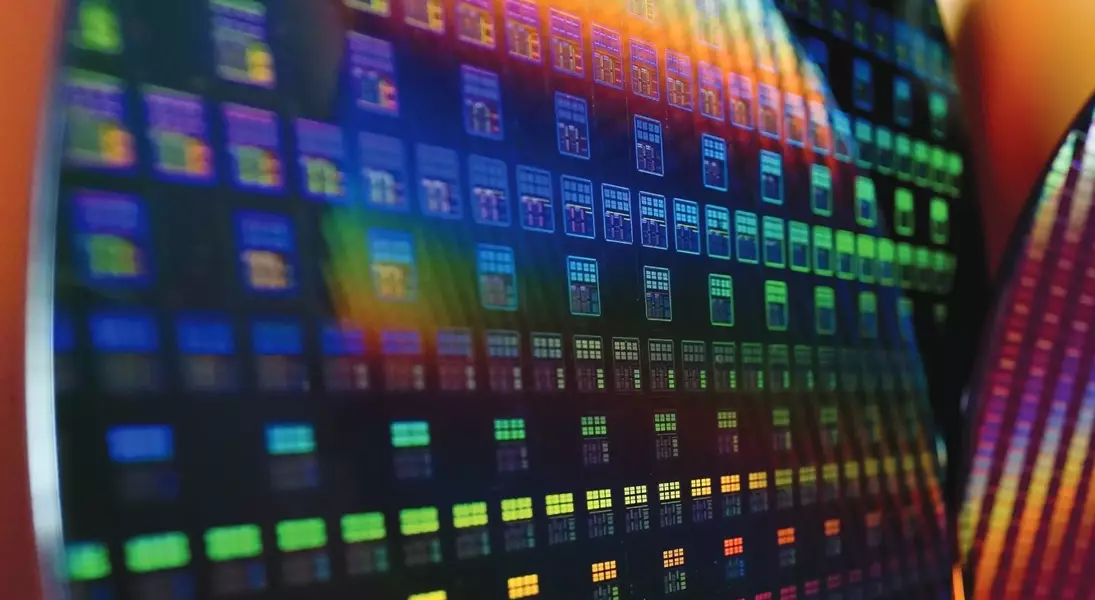

TSMC, a global leader in semiconductor manufacturing, maintains a dominant market share with its fabrication plants primarily located in Taiwan. While the company has expanded its operations internationally, including facilities in Japan, China, and the United States, its most advanced technological innovations are subject to specific national regulations.
Taiwan's 'National Core Technologies' regulations dictate that only chip manufacturing technology that is at least two generations old can be transferred to overseas fabs. This policy directly impacts TSMC's foreign operations, meaning that even as Taiwan prepares for 1.4nm silicon production in 2027, TSMC's US facilities will be limited to producing 1.6nm chips. This strategic decision aims to preserve Taiwan's leading position in semiconductor research and development, with government bodies closely monitoring TSMC's international investments to assess their impact on both the industry and national security.
This regulatory framework presents a significant advantage for Intel within the United States. With TSMC's most advanced technology confined to Taiwan, Intel has a clear opportunity to cater to the demand for cutting-edge chip production domestically. This could bolster Intel's market presence, potentially improving internal morale and positioning the company for a resurgence, especially with upcoming product lines like Panther Lake CPUs. The situation underscores the intricate balance between global expansion, national security, and technological competitiveness in the semiconductor industry.
In a rapidly evolving technological landscape, strategic foresight and a commitment to innovation are paramount. The emphasis on safeguarding national core technologies reflects a forward-thinking approach that not only protects intellectual property but also fosters a dynamic environment for domestic growth. This ultimately leads to a stronger, more resilient industry capable of pushing the boundaries of what is possible, inspiring future generations of engineers and scientists.
