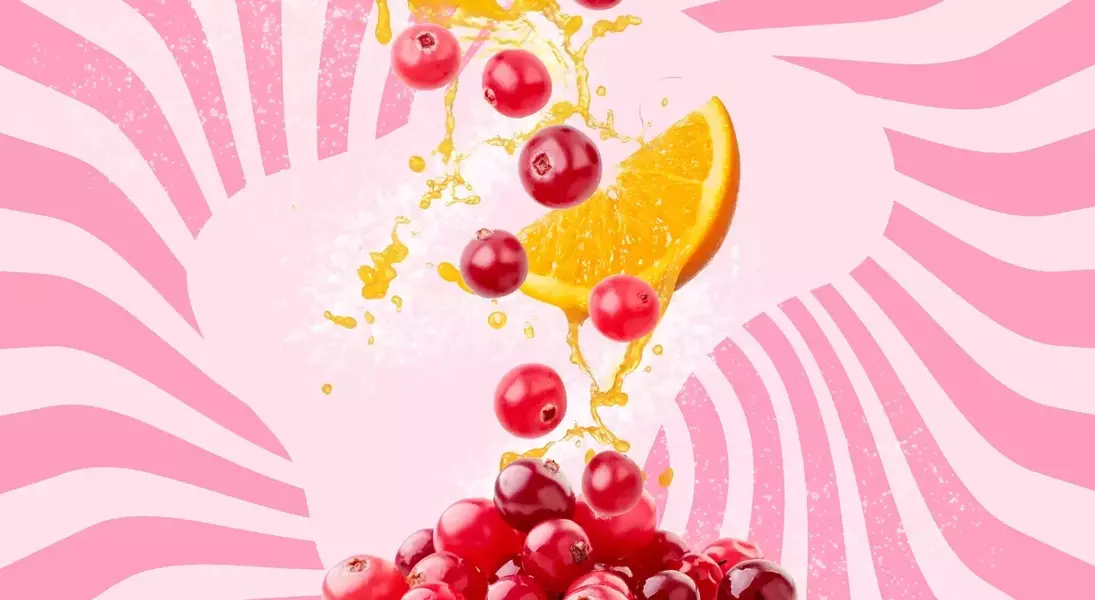
This piece delves into the recent internet craze surrounding candied cranberries, exploring whether these visually appealing holiday treats live up to their online popularity. Through a combination of personal anecdotes and an expert's insights, the article examines the preparation methods, flavor nuances, and overall enjoyment of this festive confection, offering a comprehensive review for those curious about the viral trend.
Unveiling the Truth About the Internet's Favorite Holiday Candy!
The Initial Encounter with the Viral Cranberries
The journey into the world of internet-famous candied cranberries began with a casual gathering of friends, an annual tradition of ornament exchange accompanied by a delightful spread of "gentle cheeses." This year, a friend, known for her baking prowess, presented a batch of these much-talked-about cranberries. Despite her initial reservations about their taste, the group's collective curiosity propelled them to try the treat, hoping to salvage the experiment from being a complete disappointment. This set the stage for a critical examination of the viral sensation.
Exploring Variations and Expert Opinions
It turns out that many others were also experimenting with this recipe during the festive season. Carolyn Malcoun, an editorial director at EatingWell, also ventured into making them. Her approach involved a slight modification to the original viral recipe: reducing the sugar content by using a lemon-lime sparkling drink and orange juice. Additionally, she opted for a shorter soaking time for the cranberries, curious about how these changes would affect the final product's sweetness and tartness.
The Surprising First Taste and Texture Revelations
Approaching the candied cranberries with a mix of anticipation and apprehension, the author describes the initial taste as unexpectedly pleasant. Despite the friend's earlier disclaimer, the texture was a delightful surprise, reminiscent of a natural fruit snack. Malcoun echoed this sentiment, particularly enjoying the characteristic "pop" of the cranberries. This shared positive experience challenged the initial low expectations, suggesting that while not universally adored, the treats possessed an appealing quality.
The Evolution of Flavor and Desired Enhancements
After letting the cranberries sit overnight, the flavors mellowed, becoming less intense. The group agreed that the balance of sweetness and tartness was acceptable, though a preference for a stronger orange influence emerged, leading to suggestions for incorporating more juice or a juice-ssoda blend in future attempts. Malcoun also noted that a longer soak might have yielded a sweeter result, but she appreciated the inherent tartness that remained, especially when considering a final coating of powdered sugar.
Critique of the Coating and Alternative Ideas
The powdered sugar coating, while visually appealing and creating a "snowball" effect, was met with mixed reviews. The author's group found its texture slightly chalky and the sweetness overpowering when combined with the already sweet-tart cranberries. This led to a discussion about alternative coatings, specifically suggesting an orange-zest infused granulated sugar. Such a coating, they theorized, could provide a more subtle flavor profile and allow the vibrant red of the cranberries to show through, enhancing both taste and aesthetic.
Final Verdict: Worth the Effort or Overhyped?
Malcoun expressed enthusiasm for the candied cranberries, planning to make them again as a festive garnish. However, the author and her friends concluded that, despite their charm and the fun of the experiment, these viral treats didn't quite live up to their widespread popularity. While not disliked, they weren't compelling enough to replace other beloved holiday desserts, such as Cinnamon Roll Cookies or Italian Love Cake, underscoring a preference for more traditional and deeply satisfying festive confections.
