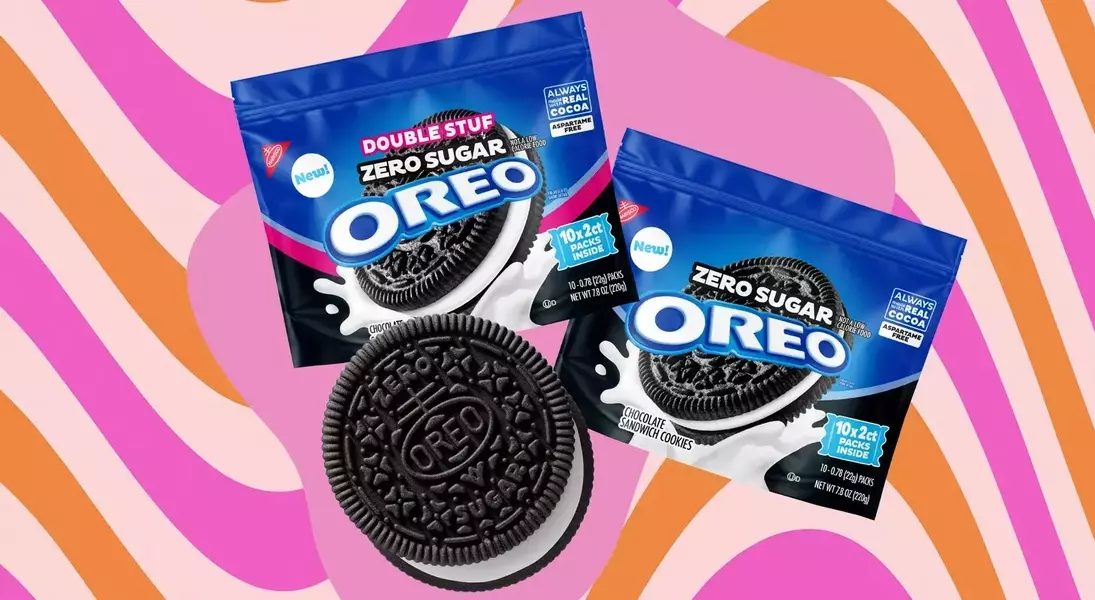
Fans of the classic sandwich cookie have something to look forward to: a sugar-free version of their favorite treat. In 2026, Oreo will debut its new Zero Sugar and Double Stuf Zero Sugar cookies, aiming to replicate the beloved original flavor without added sugar. This launch offers a choice for those managing their sugar intake.
Upon tasting the new Zero Sugar Oreo, the initial assessment reveals a remarkable resemblance to the traditional cookie's flavor, especially in the chocolate wafers. The difference in the cream is almost imperceptible when both components are eaten together, making it difficult to distinguish from the classic. However, the Double Stuf Zero Sugar variety, with its increased cream filling, more noticeably carries the taste of artificial sweeteners. This is likely due to the higher concentration of sweeteners in the cream, which is the primary source of sweetness in Oreos. These sugar substitutes, such as sucralose, maltitol, polydextrose, and acesulfame potassium, are used instead of cane sugar, aligning with Oreo's commitment to avoiding aspartame.
From a nutritional standpoint, the Zero Sugar Oreo offers fewer calories and, as expected, no added sugar compared to the regular version. Otherwise, their nutritional profiles are quite similar. While these cookies can fit into a balanced diet, caution is advised due to potential gastrointestinal issues from sugar alcohols. A key consideration for consumers will be the price, as the Zero Sugar option is significantly more expensive per cookie than its traditional counterpart. Ultimately, for those seeking a blood-sugar-friendly alternative, the new Zero Sugar Oreos present a viable and convenient option, especially when consumed in moderation.
This innovative step by Oreo in introducing sugar-free versions of its popular cookies demonstrates a commitment to catering to diverse dietary needs while maintaining a familiar taste experience. It encourages consumers to explore healthier alternatives without sacrificing the joy of their favorite treats. Such developments highlight the food industry's ongoing efforts to adapt to evolving health trends and consumer preferences, fostering a more inclusive marketplace where individuals can make informed choices that align with their wellness goals.
