This article explores the contrasting effects of summer weather on a Pennsylvania dairy farm, highlighting the farmer's strategic management of both thriving crops and heat-stressed livestock. It delves into the specific challenges and successes encountered, offering insights into modern agricultural practices.
Balancing Abundance and Adversity: The Farmer's Summer Struggle
Optimistic Outlook for Arable Lands After a Challenging Spring
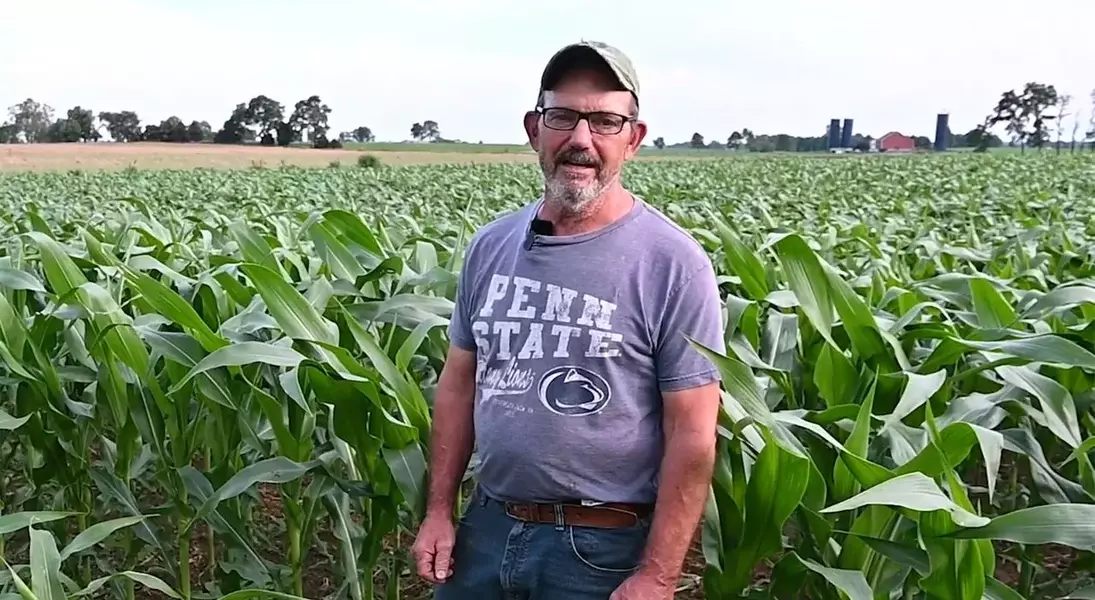
Despite initial delays in spring planting due to cool and damp conditions, the agricultural fields on Glenn Brake's Pennsylvanian farm have experienced a remarkable turnaround. The subsequent July warmth has propelled crop development, instilling a sense of optimism regarding this season's harvest. Brake noted that such favorable growing conditions, particularly with consistent moisture, have been a rare occurrence in recent memory, fostering considerable encouragement for the future yield.
Diversified Farming Operations and Environmental Resilience
Oakleigh Farm, owned by Glenn Brake, is a comprehensive dairy operation in Mercersburg, Pennsylvania, supporting 139 milking cows and 130 young stock within its robotic milking facility. The farm's extensive 400-acre cultivation includes 100 acres of alfalfa, 200 acres dedicated to corn, 70 acres of various small grains, and both single and double-cropped soybeans. In stark contrast to the previous year's severe drought that decimated most of his corn harvest, this season has been blessed with nearly weekly rainfall, ensuring robust crop health. Brake emphasized the ease of routine management, from pest control to herbicide application, attributing it to the ideal moisture levels. He acknowledged that while some regions faced excessive wetness, his area benefited from perfectly balanced conditions throughout spring and early summer.
The Unintended Consequences of Heat on Dairy Cattle
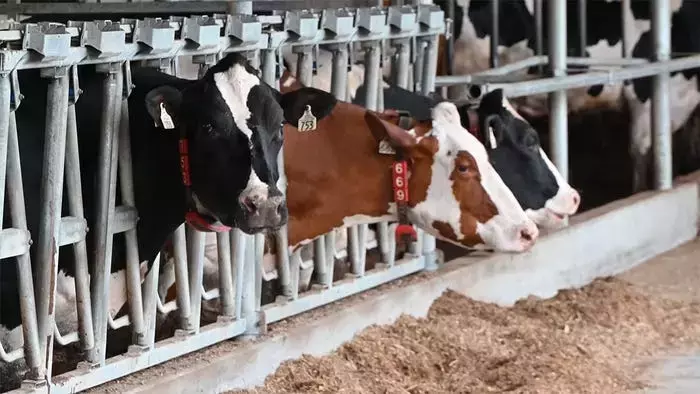
While the summer's warmth has been a boon for crop growth, it has presented significant challenges for the dairy herd. The combination of high temperatures and humidity has led to considerable stress among the cows. This adverse environment complicates maintaining dry bedding and necessitates heightened vigilance against mastitis, a common issue in such conditions. Brake reported a noticeable decline in milk production, averaging more than five pounds per animal, along with an increase in somatic cell counts, indicating elevated stress levels and potential health concerns within the herd.
Mitigating Heat Stress and Maintaining Herd Health
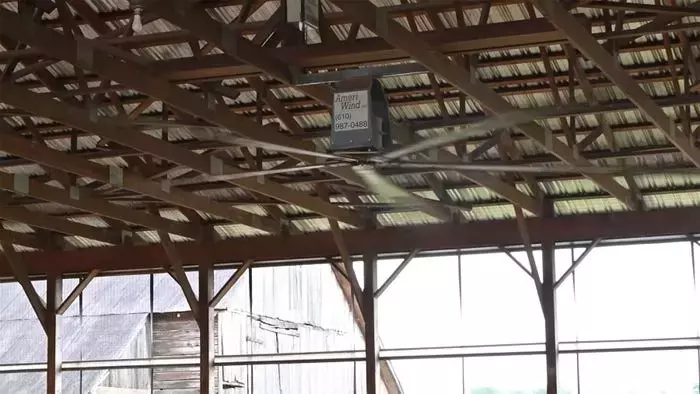
To combat the detrimental effects of heat, the farm relies on high-volume, low-speed fans installed during the barn's construction. These fans play a crucial role in alleviating some of the heat stress, preventing a more substantial drop in milk production, although they cannot completely eliminate the discomfort. Given the farm's full housing capacity, implementing major in-season adjustments for cow comfort is difficult. However, Brake has resorted to drying off stressed cows a few weeks earlier than usual and transitioning them to pasture, a measure to provide relief and support their recovery.
Stable Milk Quality and Future Prospects
Despite the slight reduction in overall milk yield, the critical components of the milk, which largely dictate the farm's revenue, have remained remarkably consistent. Butterfat content averages a healthy 4.01%, and protein levels are stable at 3.2%. Brake finds this stability reassuring, noting that the excellent quality of their forages has contributed significantly to maintaining these levels. The cows' consistent rumination further attests to their maintained digestive health, preventing any drastic shifts in milk composition. Looking ahead, Brake maintains a positive outlook for the remainder of the summer. He anticipates that continued rainfall will lead to above-average yields for corn and soybeans, enabling him to replenish feed inventories that were depleted by last year's dry spell. With an abundance of forages already stored, he hopes to further build grain reserves in the fall, ensuring the farm's continued prosperity.
