
Long-term investment success with Exchange-Traded Funds (ETFs) necessitates a strategic and informed approach, moving beyond impulsive selections. Before committing to any ETF, investors should carefully consider three critical factors that significantly impact potential returns.
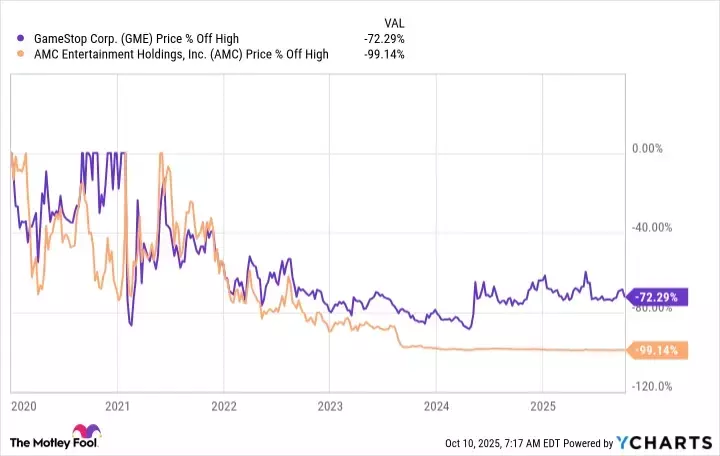
Firstly, the financial implications of an ETF's expense ratio are paramount. Even seemingly identical funds, such as the SPDR S&P 500 ETF Trust and the Vanguard S&P 500 ETF, can have vastly different cost structures, with the Vanguard option being considerably more cost-effective. Moreover, specialized ETFs, like the YieldMax Bitcoin Option Income Strategy ETF, often come with substantially higher fees. Investors must conduct thorough cost-benefit analyses to ensure that these expenses do not erode future gains. Secondly, understanding the inherent risks associated with an ETF is crucial. The Invesco QQQ Trust, for example, despite tracking a major index, is heavily concentrated in technology stocks, leading to a less diversified and potentially higher-risk portfolio than many might assume. The emergence of highly specialized and volatile options, such as the Roundhill GLP-1 & Weight Loss ETF or the re-emerging Roundhill Meme Stock ETF, underscores the need for caution. The latter, which previously faltered and is now being revived, highlights the dangers of investments driven purely by market sentiment rather than fundamental value, as evidenced by the dramatic declines of former meme stock darlings like AMC and GameStop. Lastly, effective diversification is a cornerstone of long-term investment strategy. While ETFs can facilitate diversification, they can also create a false sense of security if not chosen thoughtfully. Investors need to deliberately construct a varied portfolio, integrating funds like the iShares Core MSCI Total International Stock ETF to gain exposure to global markets, which often behave differently from domestic ones. A failure to diversify across different asset classes and geographies can lead to a portfolio vulnerable to synchronized downturns, negating the benefits of ETF investing.
Ultimately, while ETFs offer an accessible pathway into various markets and asset classes, they are merely tools within a broader investment strategy. Their apparent simplicity should not overshadow the fundamental principles of prudent investing. Diligence in assessing costs, understanding risks, and actively pursuing genuine portfolio diversification are indispensable for any investor aiming to optimize returns and safeguard against unforeseen market volatility. By adhering to these principles, investors can harness the power of ETFs to build robust and resilient portfolios that align with their long-term financial objectives.
