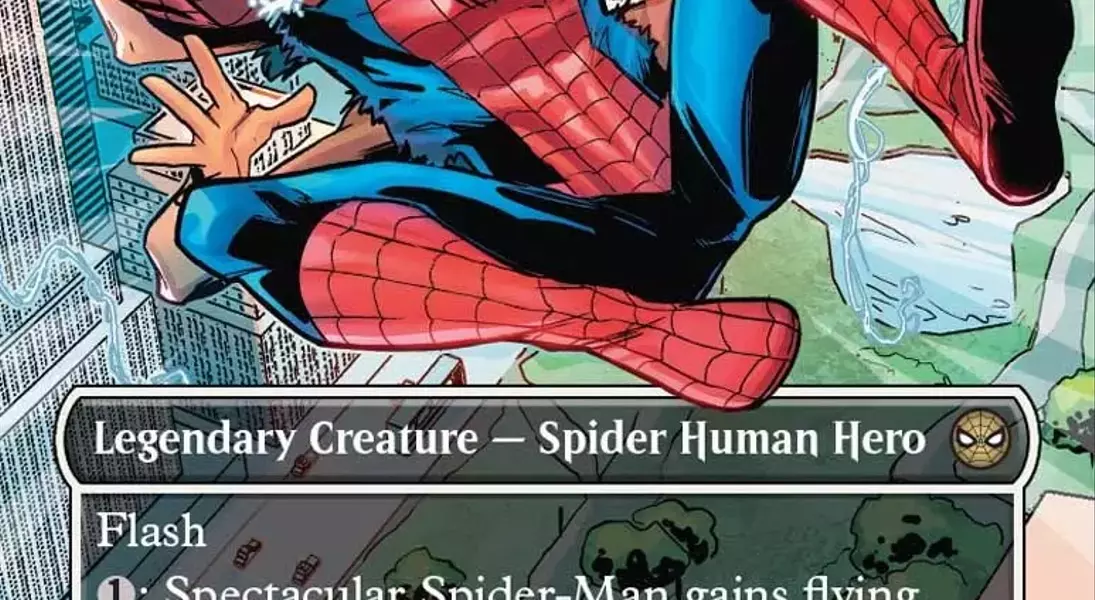
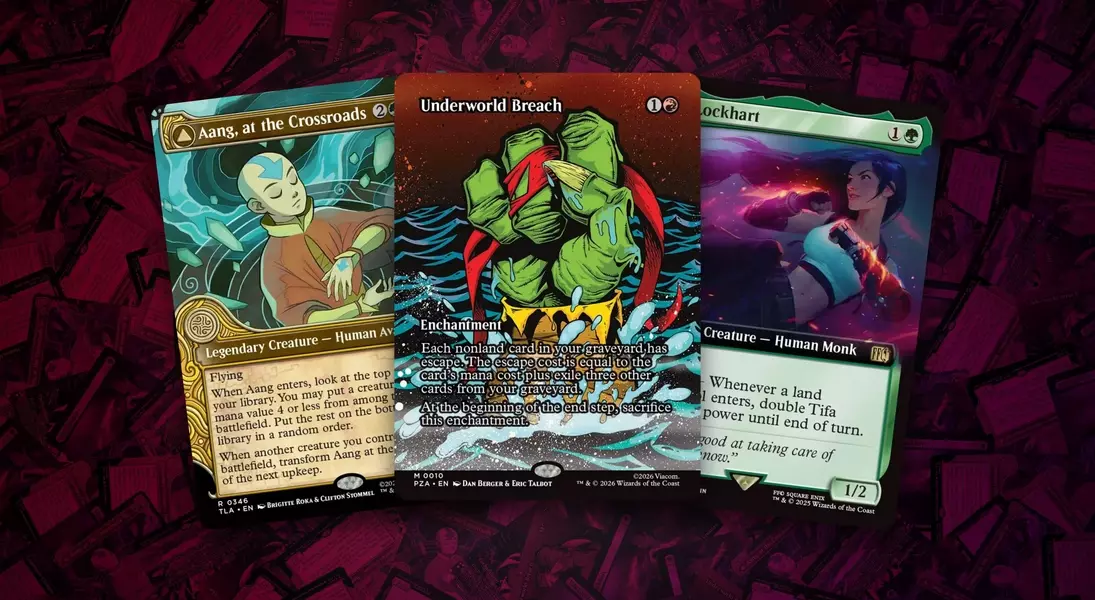

During a pre-release weekend for a new Magic: The Gathering set, I visited my local game store. It was surprisingly quiet until a young girl and her mother arrived, eagerly purchasing Marvel-themed products. Witnessing this scene, I couldn't help but smile, as it perfectly encapsulated the positive impact of Universes Beyond, a controversial initiative that integrates characters and narratives from other franchises into Magic: The Gathering. While some long-time players view these crossovers as diluting the game's original identity, they undeniably introduce Magic to new audiences and rekindle the interest of dormant fans.
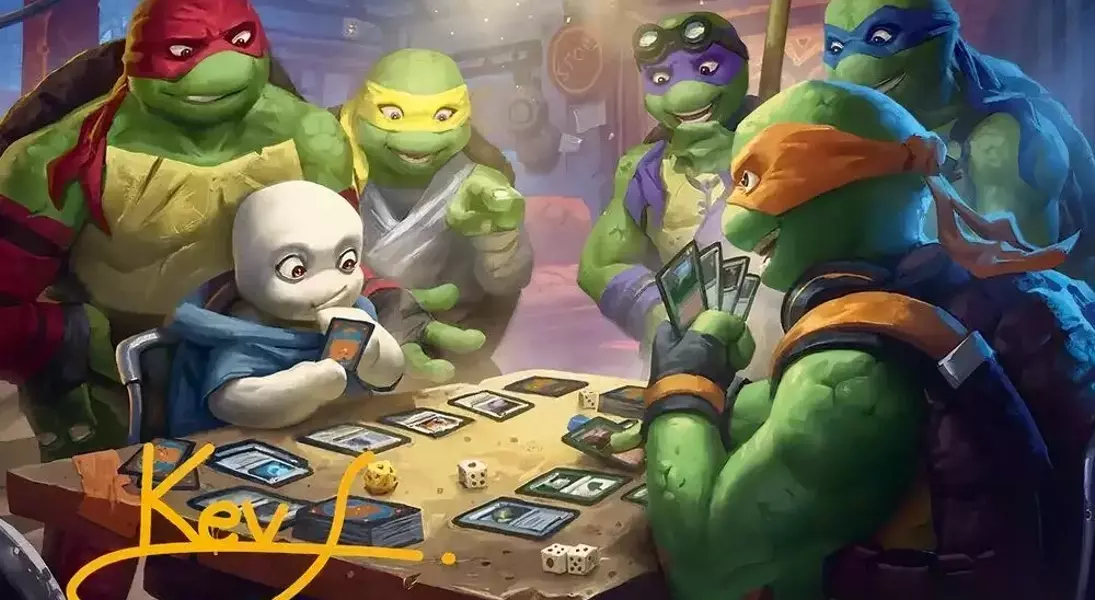
Universes Beyond has faced considerable skepticism from a segment of the Magic community, primarily older players who fear it compromises the game's traditional integrity. However, sets featuring popular franchises like Avatar: The Last Airbender, Teenage Mutant Ninja Turtles, and Marvel Super Heroes have proven instrumental in drawing fresh blood into the trading card game hobby. This influx of new players is crucial for the sustained vitality and financial health of any TCG. Unlike Pokémon, where character appeal often drives card value, Magic's card prices traditionally hinge on their utility in gameplay. However, Universes Beyond shifts this dynamic, allowing emotional connections to characters to become a significant draw, echoing the collector-driven success of other TCGs.
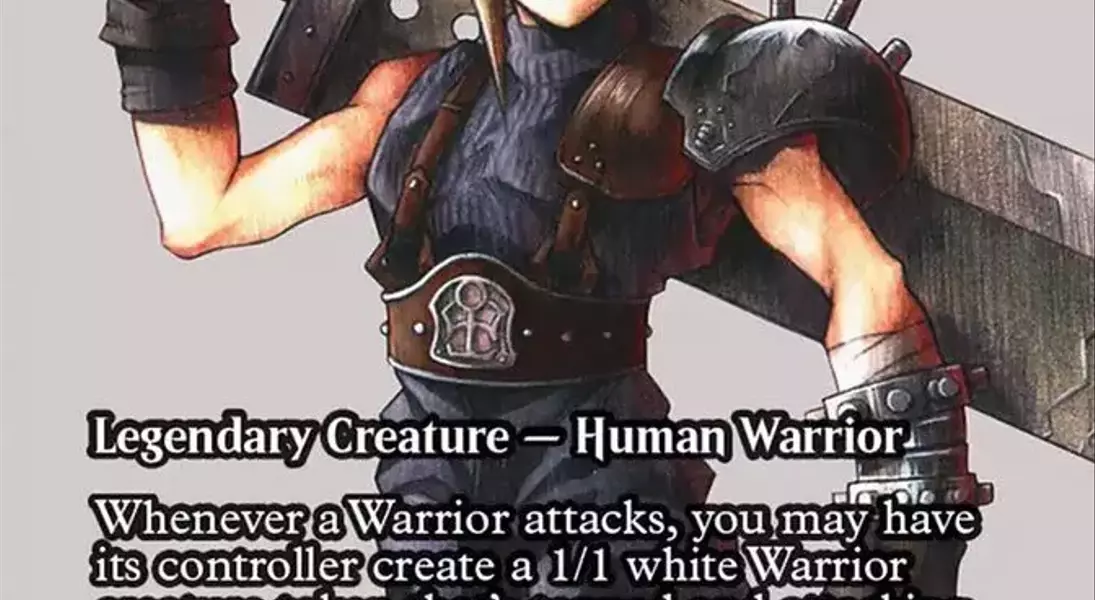
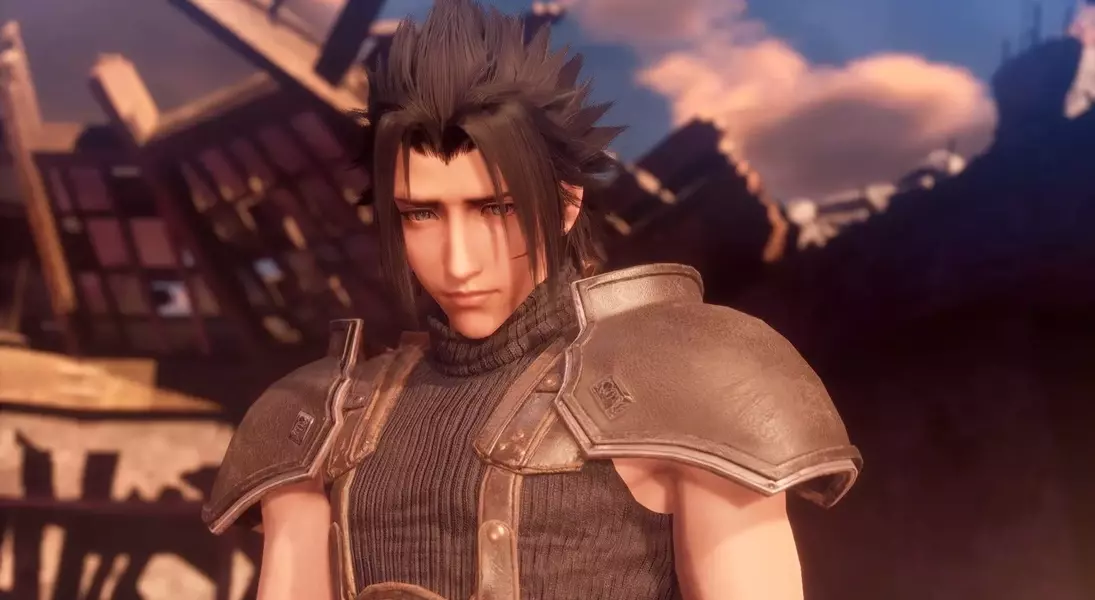
My personal journey with Magic spans decades, marked by periods of engagement and hiatus. The 2025 Final Fantasy crossover proved to be a pivotal moment, reigniting my passion for the game. As a long-time fan of both Magic and Final Fantasy, the fusion of these two beloved universes was irresistible. This set, which reportedly achieved $200 million in sales on its debut day, resonated deeply with many former players like myself who found a powerful blend of nostalgia and fresh mechanics. The thoughtful design, with different card variants reflecting characters' journeys, exemplifies how Universes Beyond can weave compelling stories through gameplay. While not every crossover achieves the same thematic depth, each has the potential to introduce new fans to Magic, demonstrating that the game's evolution, even through unconventional means, is essential for its enduring appeal.
Ultimately, a thriving hobby necessitates continuous growth and adaptation. Magic: The Gathering has successfully maintained its relevance for over three decades by embracing innovation, from introducing Planeswalkers to Commander and now Universes Beyond. While some experiments may yield more resonance than others, the broader objective remains to expand the game's reach. The image of a young player discovering Magic through beloved characters like Iron Man or Spider-Man underscores the profound impact of Universes Beyond. Magic's legacy is not solely owned by long-standing players; every newcomer deserves the opportunity to fall in love with the game. If crossovers facilitate this discovery, they represent a beneficial exchange for the game's future.
