The gaming world is perpetually evolving, yet a persistent debate centers on the optimal length for role-playing games (RPGs). Many players grapple with the dilemma of investing dozens, if not hundreds, of hours into a single title, often wondering if the expansive journey truly justifies the commitment. This ongoing discussion highlights a fundamental tension between the desire for rich, immersive experiences and the practical limitations of player time and engagement.
For years, the perception has been that longer RPGs inherently offer more value, particularly in an era of rising game prices. However, a growing number of voices argue that this extended runtime often comes at the cost of narrative coherence and engaging gameplay. The challenge lies in balancing depth and breadth, ensuring that every hour spent contributes meaningfully to the overall experience rather than simply prolonging it.
Rethinking RPG Duration: The Case for Conciseness
The traditional belief that extended RPGs offer superior value is being challenged by a compelling argument for brevity. While acknowledging that some players prioritize lengthy experiences to maximize their entertainment budget, the article posits that excessive game length frequently leads to a diluted experience. Rather than enhancing enjoyment, prolonged narratives and gameplay loops can induce player fatigue, diminishing the overall impact of the game. This perspective suggests a shift towards valuing quality over sheer quantity, encouraging developers to create more focused and impactful gaming experiences that respect players' time and attention.
The author strongly asserts that most RPGs would benefit significantly from a more condensed structure, ideally not exceeding 40 hours. This viewpoint critiques the common practice of stretching out narratives and introducing repetitive gameplay mechanics to inflate playtime. It highlights instances where games, despite initial promise, falter in their later stages due to narrative bloat or monotonous grinding. The argument is not against long games per se, but against those that fail to sustain meaningful engagement throughout their entire duration, ultimately leaving players exhausted rather than satisfied. This approach advocates for a design philosophy that prioritizes narrative efficiency and consistent player engagement.
Balancing Depth and Player Engagement in RPG Design
The argument for shorter RPGs underscores a critical need for narrative and gameplay refinement. While some lengthy RPGs, like Persona 5, masterfully maintain player engagement over many hours, many others struggle, introducing unnecessary filler or repetitive content. This often results in a loss of player interest, with individuals abandoning games they initially enjoyed due to the sheer tedium of late-game mechanics or dialogues that fail to advance the plot meaningfully. The core issue lies in ensuring that every element of the game contributes positively to the player's experience, rather than simply extending it.
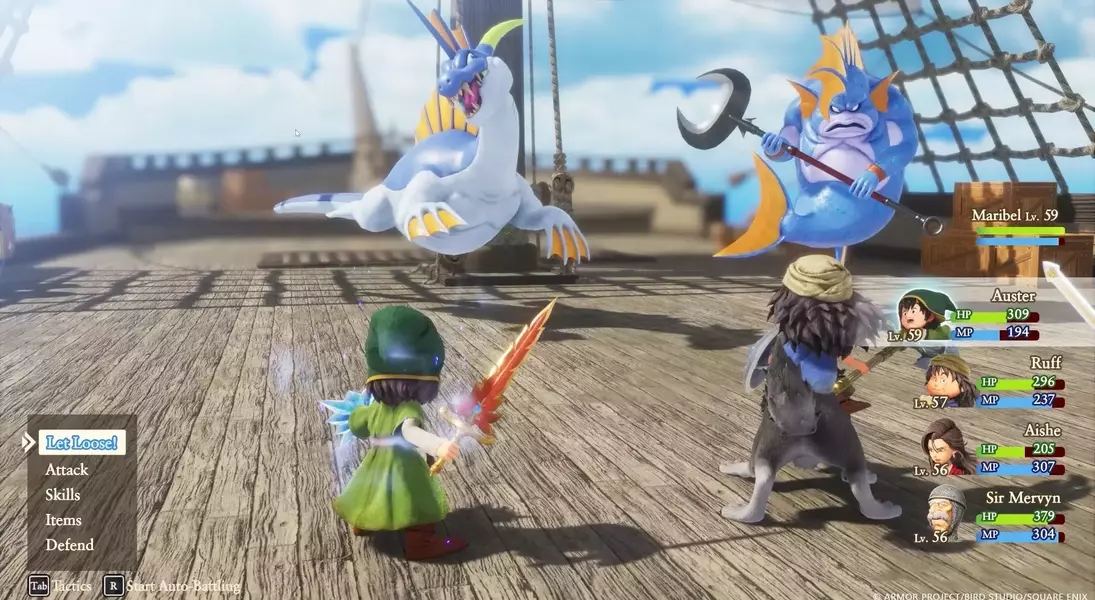
Successful contemporary RPGs like 'Dragon Quest 7 Reimagined', 'Granblue Fantasy Relink', and 'Avowed' demonstrate that a more focused approach can lead to highly rewarding experiences. These titles prioritize streamlined pacing, engaging combat, and concise storytelling, proving that depth and impact do not necessitate excessive length. By delivering rich, complete narratives and satisfying gameplay within a manageable timeframe, these games offer a refreshing alternative to the sprawling epics that often dominate the genre. This trend suggests a potential future for RPGs where strategic trimming and careful curation lead to more memorable and player-friendly experiences, encouraging deeper immersion without the burden of overwhelming commitment.
