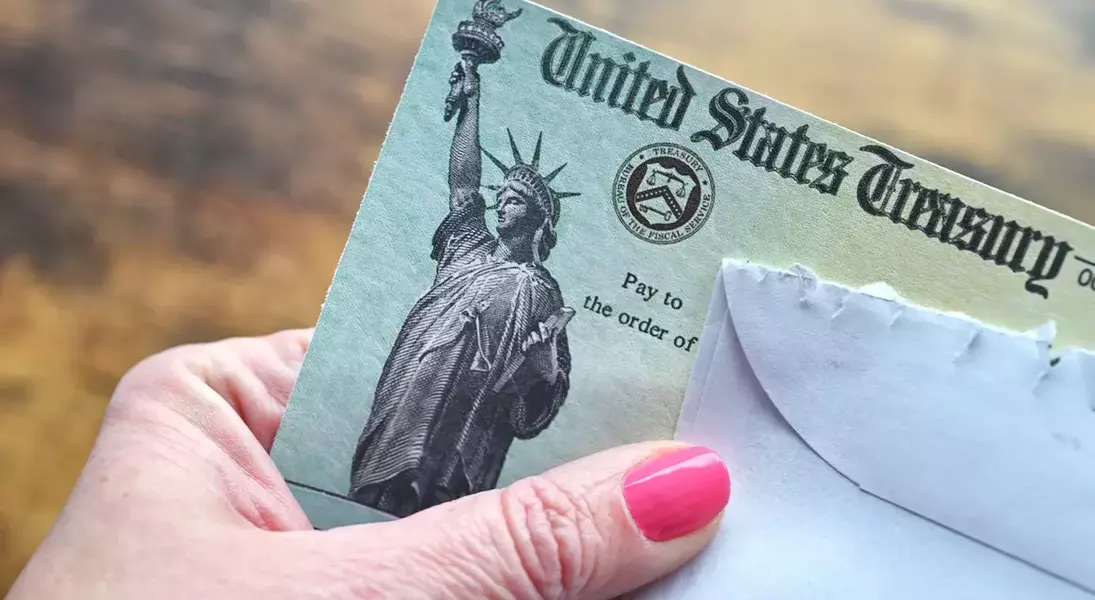
Recent discussions surrounding economic stimulus payments have generated considerable public interest, yet many proposals remain speculative. As of 2026, no new federal stimulus initiatives have been authorized, debunking various rumors about widespread payments. While the concept of a "DOGE" dividend, stemming from government efficiency savings, was once considered, its projected impact significantly diminished, and the initiative's primary advocate, Elon Musk, has since departed from the project. This highlights the fluid and often uncertain nature of proposed economic relief measures, urging the public to rely on official announcements from legislative bodies.
Furthermore, specific payments made to military personnel, such as the "Warrior Dividend," were one-time bonuses linked to national anniversaries and are not recurring. Similarly, the window for claiming past COVID-era stimulus checks has definitively closed. This article aims to clarify the landscape of stimulus payments, differentiating between confirmed disbursements and unapproved proposals, providing a clear overview for citizens.
Understanding Past and Proposed Stimulus Initiatives
In the past, various economic relief proposals have captured public attention, though not all have materialized into concrete payments. One such concept was the “DOGE” dividend, a brainchild of the Department of Government Efficiency, initially championed by Elon Musk. The idea was to distribute funds saved from government spending cuts directly to American taxpayers. Early estimations suggested a potential payout of $5,000 for federal income taxpayers. However, the actual savings realized through the DOGE initiative fell far short of these optimistic projections. Following Musk’s departure from the project, the momentum behind a federal DOGE stimulus check dissipated, and the proposal has not advanced further.
Separately, discussions about a specific $1,776 stimulus check for military members also gained traction. This payment, dubbed the “Warrior Dividend,” was indeed disbursed to nearly 1.5 million service members in 2025. This one-time bonus was intended to commemorate the country's 250th anniversary in 2026, with the specific amount chosen to symbolize the year of the nation's founding. Notably, these payments were designated as tax-exempt by the IRS, acknowledging the unique contributions of military personnel. However, it is crucial to understand that similar payments have not been announced or approved for 2026 or subsequent years, making it a singular event rather than an ongoing program.
Clarifying Current and Future Stimulus Payment Landscape
The landscape of stimulus payments in the United States is currently defined by the absence of new federal initiatives, despite persistent online rumors and speculation. For 2026, there are no approved federal stimulus checks, a fact that directly contradicts claims circulating about payments of specific amounts like $1,702 or $1,390. These figures often originate from unrelated programs or misinterpretations of state-level distributions, such as Alaska's Permanent Fund Dividend, which is an annual payment to state residents and not a federal stimulus program. It is essential for the public to verify information through official government sources to avoid misinformation regarding potential financial relief.
Furthermore, the opportunity to claim past COVID-era stimulus checks has concluded. While the IRS did automatically issue payments of up to $1,400 to eligible individuals who had not claimed the 2021 Recovery Rebate Credit, the deadline for filing claims has passed. This means that no further COVID-related stimulus payments are available. The government's focus has shifted away from broad-based stimulus measures, with any future economic relief likely to be highly targeted or tied to specific legislative actions. Therefore, individuals seeking financial assistance should explore existing social welfare programs and official tax benefits rather than anticipating new stimulus checks.
