
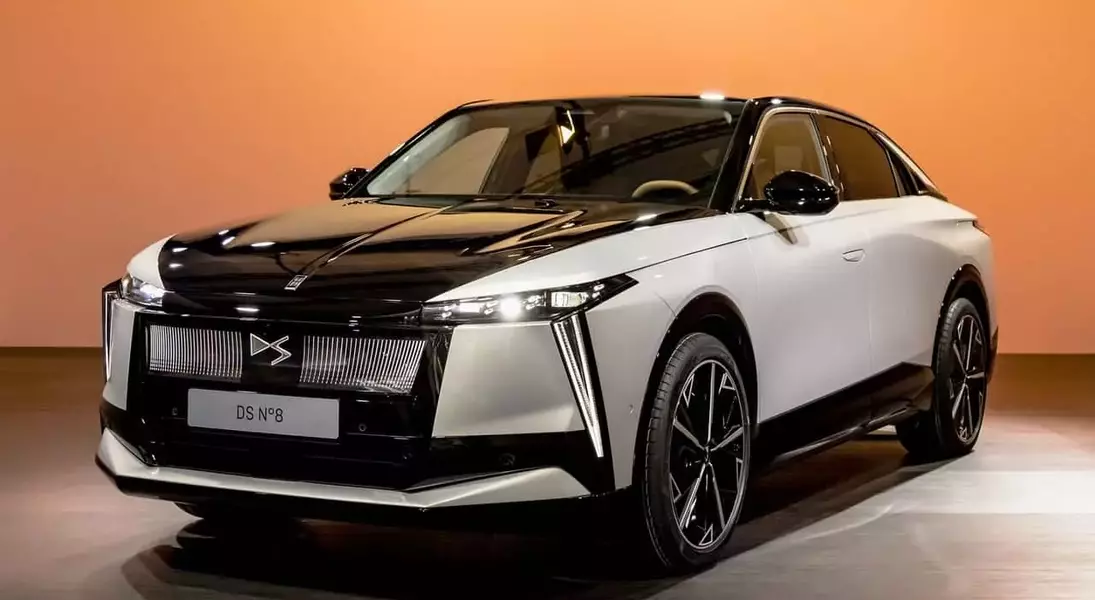
Stellantis is undertaking a comprehensive evaluation of its extensive portfolio of 14 automotive brands, a move that could see some familiar names disappear from its global lineup. This strategic review aims to identify and retain only those brands with strong long-term prospects, particularly in the competitive European market where several marques are experiencing declining sales and overlapping market segments. The decision comes as the company seeks to enhance efficiency and consolidate its market position.
Under the leadership of its new CEO, Antonio Filosa, Stellantis is meticulously examining each brand's performance and potential. This marks a significant shift from the previous tenure of Carlos Tavares, who opted to keep all 14 brands intact. Filosa's approach prioritizes volume growth and operational streamlining, suggesting that underperforming brands may face discontinuation. This rigorous assessment reflects the company's commitment to adapting to evolving market demands and optimizing its brand strategy for future success.
Reports from informed sources indicate that several European brands are particularly vulnerable in this review. Data from the European Automobile Manufacturers' Association (ACEA) highlights a challenging period for some, with DS Automobiles experiencing a 21.2 percent drop in registrations and Lancia seeing a significant 68.3 percent plunge through October 2025. Maserati, despite its luxury appeal, also recorded a 17.1 percent decline in registrations, fueling previous rumors about its potential sale, which the company has consistently denied.
In contrast, Stellantis's larger brands such as Peugeot, Citroën, Opel, and Vauxhall have demonstrated stronger sales performance, collectively accounting for a substantial portion of the European market. Alfa Romeo also outperformed some of its struggling counterparts. This disparity in performance underscores the necessity of the current brand evaluation, as Stellantis aims to reallocate resources and focus on its most robust and profitable brands. The review will also consider strategies such as developing more affordable models, adjusting electric vehicle sales targets, and boosting fleet sales to achieve greater market penetration.
The ultimate outcome of this brand assessment remains to be seen, but it is clear that Stellantis is prepared to make difficult choices to secure its long-term stability and growth. Even if some brands are phased out, Stellantis is likely to retain a broader brand portfolio compared to competitors like the Volkswagen Group, which manages a diverse range of marques including VW, Skoda, Audi, and Bentley. This strategic realignment is crucial for Stellantis to navigate the complexities of the global automotive industry and maintain its competitive edge.
