The European Union, often characterized by its strict regulatory framework, is reportedly easing its stance on the future of combustion engines. Historically, automakers have faced increasing pressure from stringent fleet emission targets, compelling them to prioritize electric vehicles (EVs) despite their often narrow profit margins.
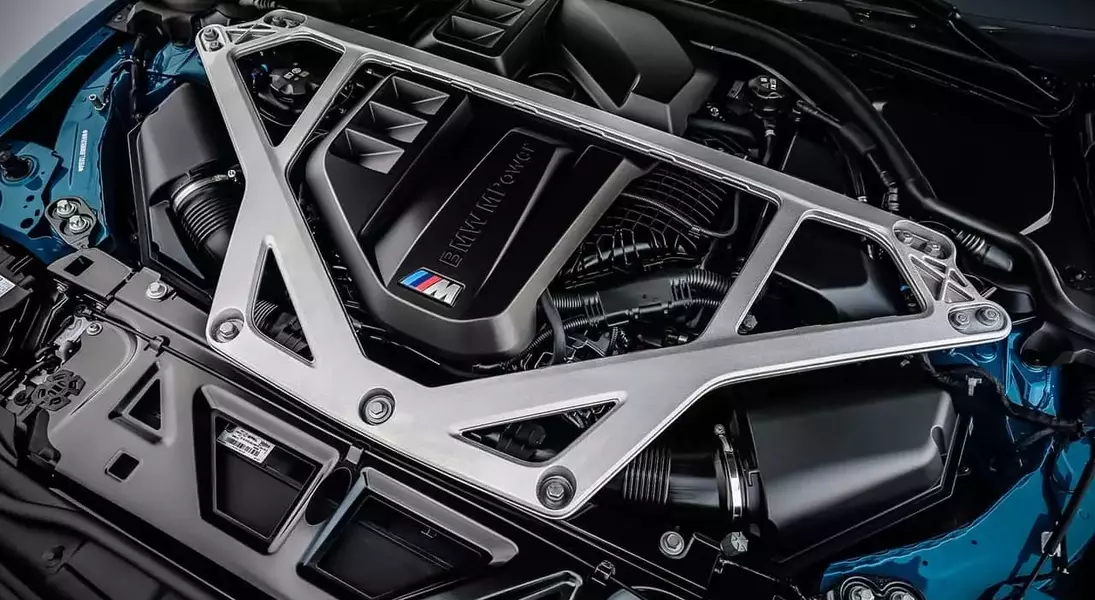
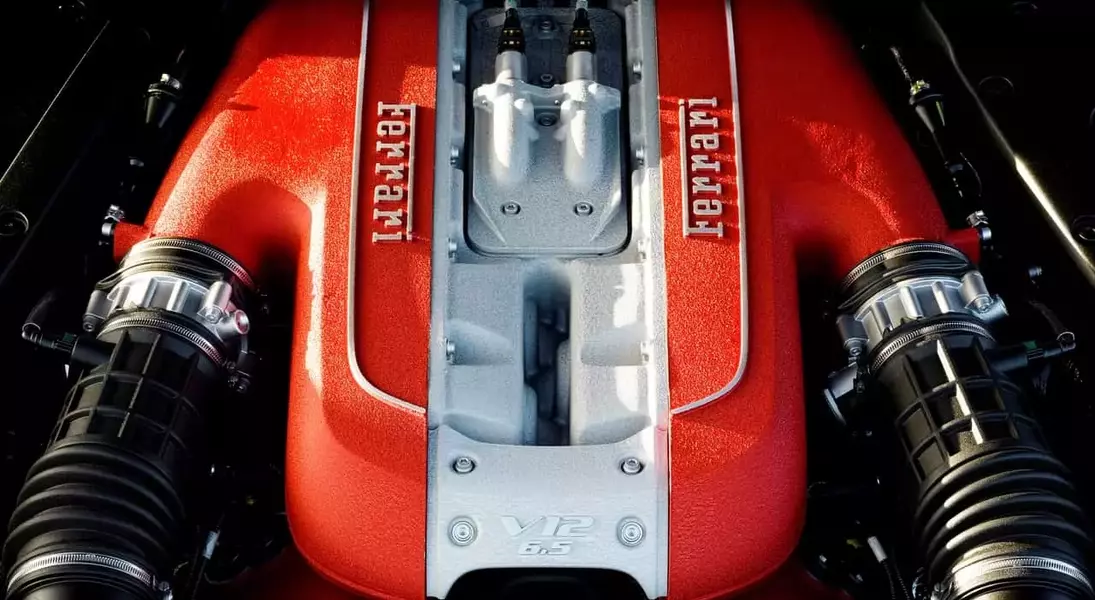
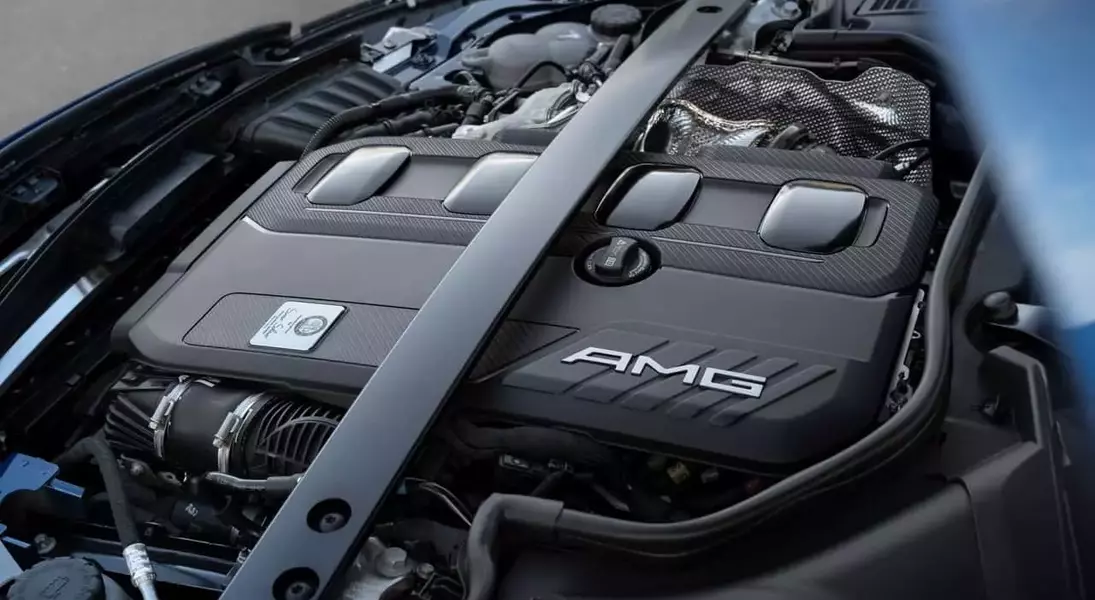
However, a significant change is on the horizon. Earlier this month, indications emerged that the sale of new internal combustion engine (ICE) vehicles would be permitted beyond the initially planned 2035 cutoff. Now, sources suggest that ICE technology might persist even further, potentially into the 2040s. According to reports from the German newspaper Bild, citing Manfred Weber, head of the European People's Party (EPP), the effective ban on combustion engines is set to be removed indefinitely. This agreement, solidified in recent meetings, revises the mandatory CO2 emissions reduction target for car manufacturers' fleets to 90 percent for new registrations from 2035, instead of the original 100 percent. Crucially, no 100 percent target will be imposed from 2040 onwards, effectively eliminating the technological prohibition on combustion engines. This means that all engines currently manufactured in Germany can continue to be produced and sold.
This revised policy means that the original mandate requiring all new cars sold in the EU's 27 member states to be entirely CO2-free by 2035 will be relaxed. The new 90-percent reduction target offers manufacturers more flexibility, allowing them to integrate combustion engines into plug-in hybrids or use them as range extenders in electric vehicles. This strategic pivot by the EU is widely seen as an acknowledgment that the initial ban was perhaps premature. The persistent advocacy from major automakers, many of whom opposed the 2035 deadline (with notable exceptions like Volvo and Polestar), appears to have influenced this decision. The ramifications of Europe's choice will extend globally, benefiting non-EU markets with continued powertrain variety. Maintaining combustion engine production in such a significant market enables manufacturers to sustain economies of scale and safeguard numerous jobs within the engine manufacturing sector.
This policy adjustment reflects a more balanced approach to environmental goals and industrial realities, demonstrating a commitment to supporting innovation while maintaining economic stability within the automotive sector. It underscores the dynamic nature of policy-making in response to technological advancements and industry feedback.
