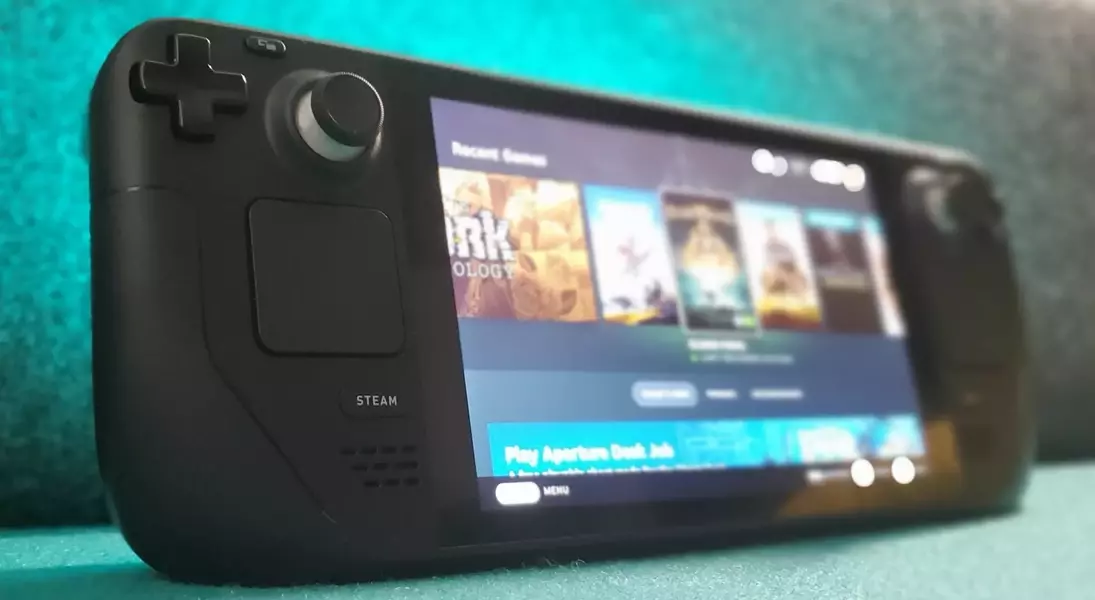
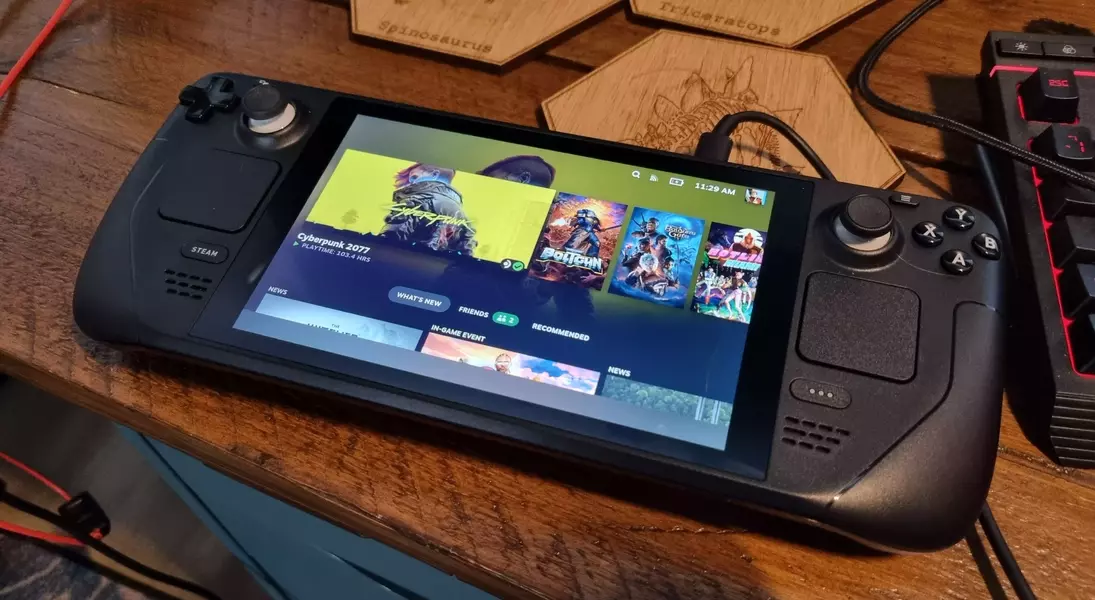
The Steam Deck, once celebrated for its competitive pricing, has seen a dramatic shift in its market performance. Following a series of price hikes by Valve earlier this year, the portable gaming device is reportedly experiencing a significant reduction in sales. Estimates suggest a decline of approximately 80%, indicating that consumers may be reconsidering its affordability and overall value. This development prompts a broader discussion about the accessibility of handheld PC gaming, especially as memory and storage costs continue to escalate across the industry.
According to research by Boiling Steam, which tracks the Steam Deck's ranking on the Steam Top Sellers list, the device's position fell sharply from a consistent top-five spot to between tenth and fifteenth after the price adjustments in May. This shift is interpreted as a substantial drop in weekly unit sales, with figures potentially plummeting from 11,000-18,000 units per week to a mere 1,400-3,000 units by mid-2026. Such a contraction in revenue, despite some initial stock sell-outs in North America, points to a clear impact of the increased prices on consumer demand.
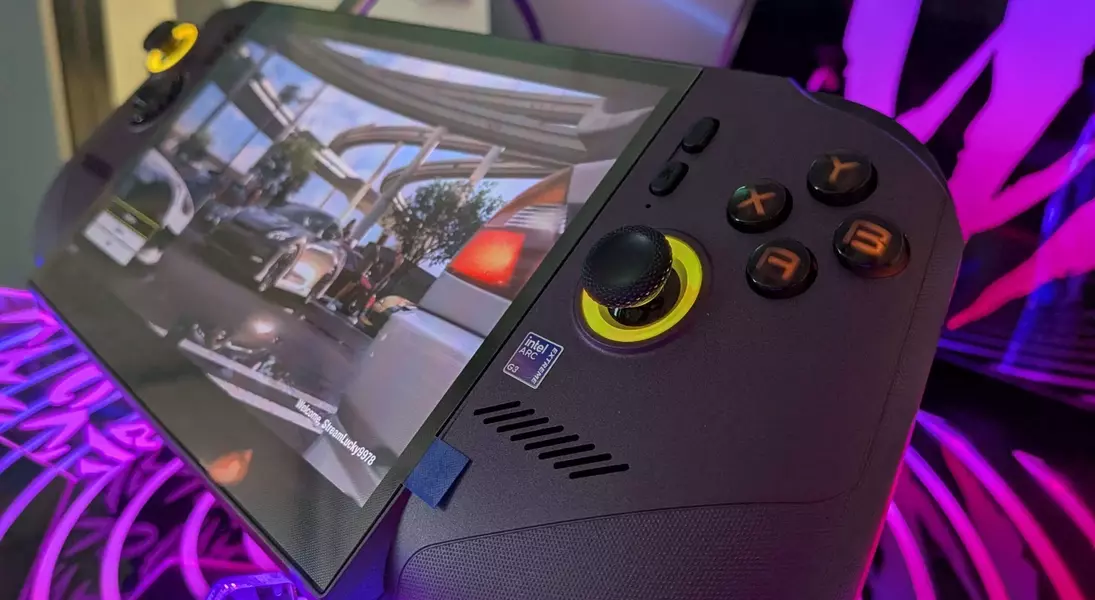
While these estimations are based on extrapolations and require a degree of caution, they align with a general trend in the handheld gaming PC market. The year 2026 has witnessed the introduction of powerful new hardware, such as Intel's Arc G3 and G3 Extreme offerings and the MSI Claw 8 EX AI+, yet the escalating cost of memory has cast a shadow over what was once a thriving segment focused on affordability. The retirement of cheaper LCD Steam Deck models and the high price point of the OLED versions further limit entry options for budget-conscious gamers.
The pricing pressure extends beyond Valve, with other manufacturers like Ayaneo also forced to raise prices due to increasing memory and storage expenses. This industry-wide challenge, compounded by global supply chain issues and fluctuating material costs, suggests a tough road ahead for portable PC gaming. The once-accessible entry point into PC gaming is becoming increasingly exclusive, raising concerns about the long-term viability of the form factor as a mainstream option.
Ultimately, this situation presents a critical juncture for Valve and the handheld PC gaming market as a whole. The sharp decline in sales, if accurately represented by these estimates, could force companies to re-evaluate their strategies. The current landscape suggests that without a rebalancing of price and value, portable PC gaming risks becoming a luxury enjoyed only by a select few, detracting from its potential to broaden PC gaming's reach.
