
Stars Reach, the latest MMO endeavor from industry veteran Raph Koster, has embarked on its early access journey with a bold vision: to cultivate a vibrant, player-centric galactic society. Drawing inspiration from classic titles like Ultima Online and Star Wars: Galaxies, the game aspires to offer a diverse range of viable playstyles, where roles such as a dancer or journalist hold as much significance as traditional combatants. This ambition paints a picture of a universe where social interactions and community building form the bedrock of the experience.
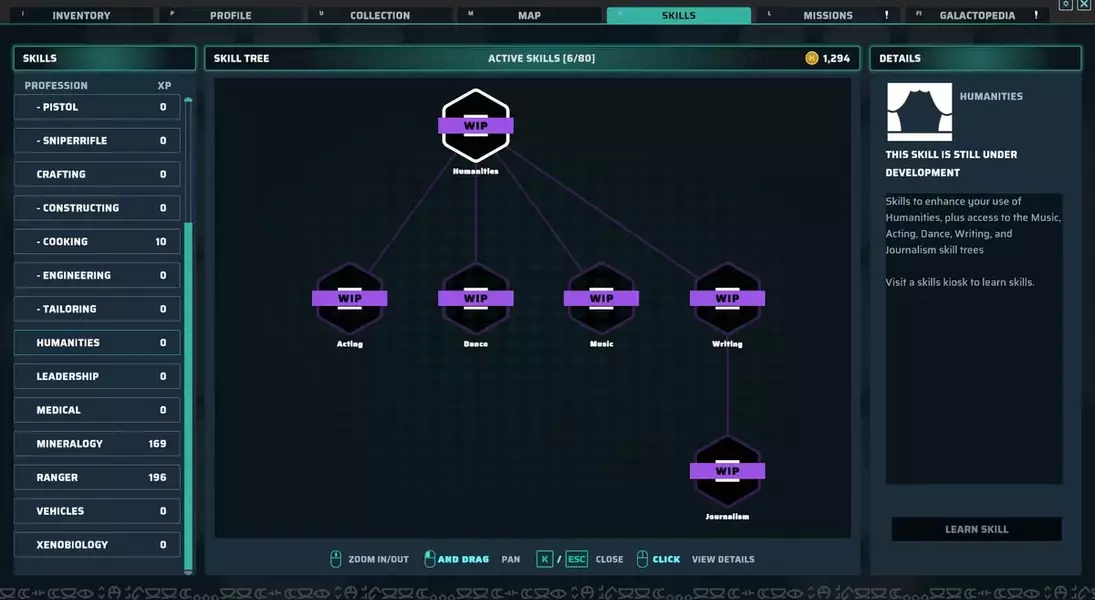
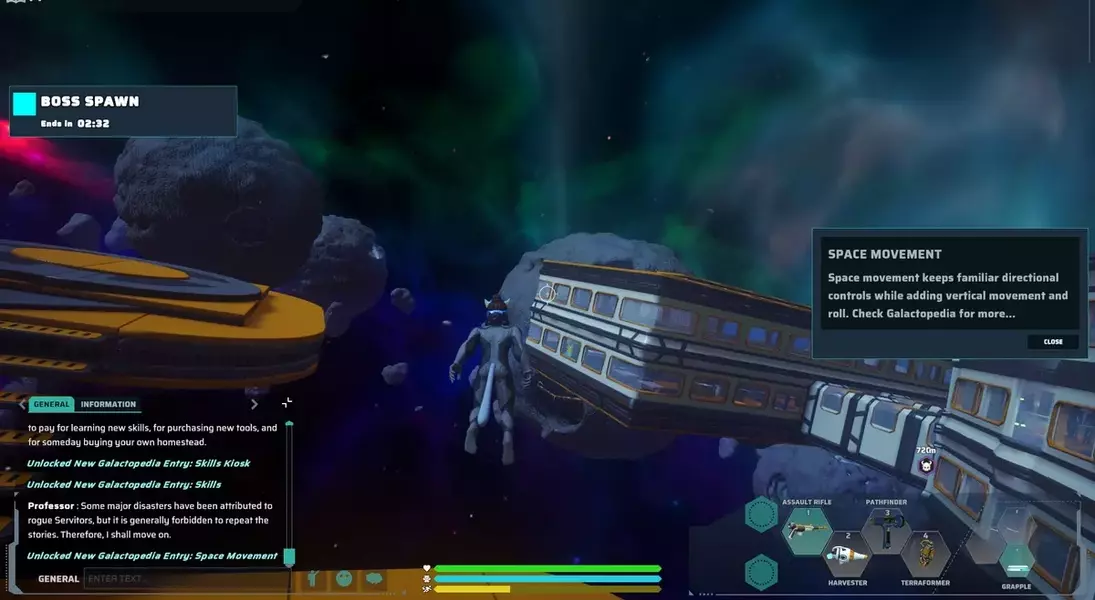
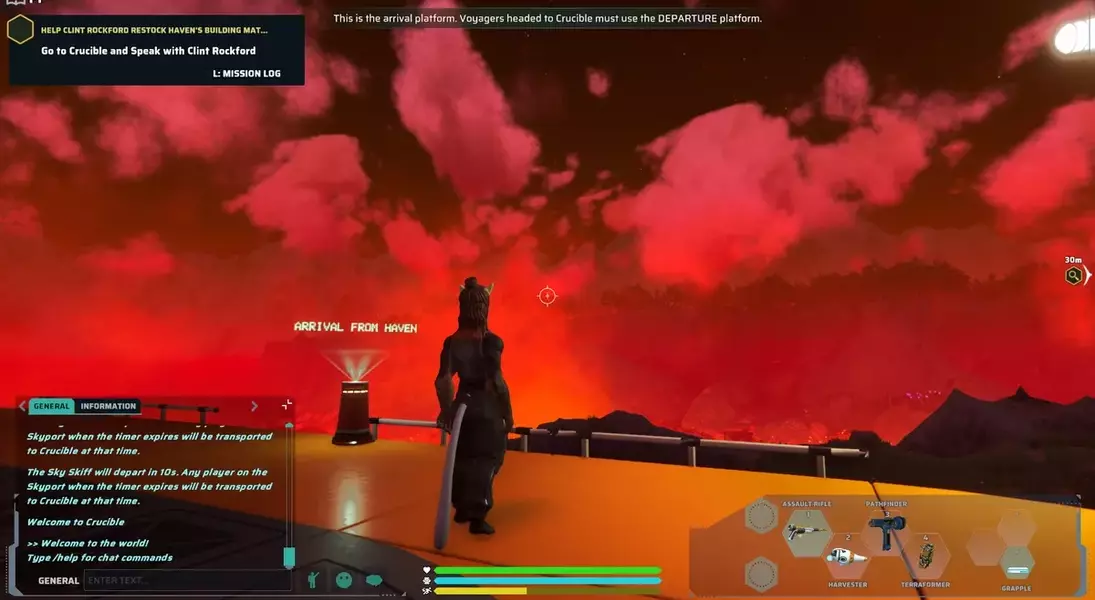
However, the initial foray into Stars Reach reveals a game still in its nascent stages, presenting a somewhat unrefined and disjointed introduction. Players are greeted with a clunky tutorial that showcases basic, often uninspired mechanics like terraforming, scanning, and rudimentary gunplay. While the terraforming system, allowing for dynamic manipulation of the environment, stands out as a unique feature, many other core functionalities feel underdeveloped. The early access experience is further marred by a less-than-intuitive user interface, numerous placeholder icons, and a mission structure that predominantly relies on repetitive, procedurally generated tasks. This lack of polish extends to fundamental gameplay elements, with crucial skill trees, such as mining speed upgrades, marked as "Work in Progress," significantly hindering player progression and initial engagement. Furthermore, the absence of spaceships for inter-planetary travel forces players into tedious, slow-paced exploration, often leading to empty and unrewarding discoveries on other planets.
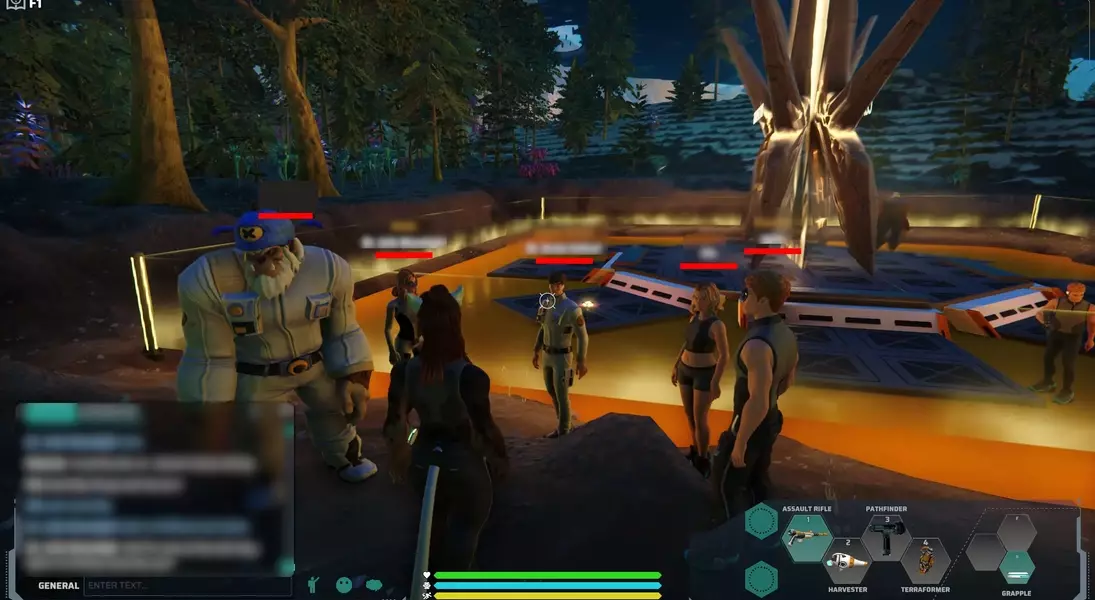
Despite these significant early access hurdles, a deeper dive into Stars Reach uncovers a glimmer of its intended brilliance through its burgeoning player communities. Through external channels like Discord and fan-made websites, dedicated groups like the Galactic Union of Natural Conservation (GUNC) are actively shaping their corner of the universe. These players are engaged in complex social engineering, from establishing resource supply lines and zoning planets for specific purposes to electing mayors and developing unique in-game economies. This organic player-driven content, such as the creation of "hive glasses" by an in-game tailor, showcases the game's intricate underlying systems, even those with "under construction" skill trees. This dichotomy presents a compelling dilemma: while the game's core systems are capable of fostering rich player interactions, the current design fails to adequately guide new players towards these emergent experiences. The early focus on generic missions often misrepresents the true potential of Stars Reach, which lies in its capacity for players to create their own narratives and communities. For Stars Reach to truly flourish, it must prioritize connecting players with each other from the outset, allowing its passionate community to become the central driving force of the game.
The journey of Stars Reach is one of immense potential currently overshadowed by its early, unpolished state. The vibrant communities that have already begun to form within its expansive universe are a testament to the compelling vision of player-driven content and emergent gameplay that Raph Koster and his team are striving for. However, for this vision to fully materialize and captivate a wider audience, substantial development and refinement are imperative. The game needs to evolve beyond its initial rough edges, enhancing its accessibility, streamlining its mechanics, and, most importantly, fostering organic player interaction to truly unlock the collaborative spirit that defines its most promising aspects. When a game empowers its community to build, create, and interact in meaningful ways, it cultivates a living, breathing world that transcends mere code and graphics, becoming a testament to collective human ingenuity and social connection.
