Dispelling common misconceptions, dietitians advocate for the inclusion of starchy vegetables in a weight-loss regimen. Far from being detrimental due to their carbohydrate content, many starchy vegetables are packed with essential nutrients, particularly fiber and protein, which are crucial for promoting satiety and regulating calorie intake. This article explores five such vegetables—green peas, sweet potatoes, butternut squash, corn, and white potatoes—demonstrating how they can be valuable allies in achieving weight management goals. It emphasizes their low calorie count relative to their nutritional density and provides guidance on preparing them in healthy ways to maximize their benefits.
When it comes to dietary choices for weight loss, starchy vegetables often face undue scrutiny. Many mistakenly believe that their higher carbohydrate content makes them unsuitable for those aiming to shed pounds. However, experts in nutrition suggest that this perspective is largely unfounded. Starchy vegetables, when chosen wisely and prepared appropriately, can actually contribute positively to a weight management strategy.
Green peas, for instance, are a nutritional powerhouse despite their small size. A single cup of uncooked green peas contains approximately 117 calories, which is considerably less than many staple starches like rice or pasta. Melissa Mitri, a registered dietitian, points out that incorporating peas can be an excellent way to reduce calorie density in meals. Furthermore, green peas are an impressive source of dietary fiber, with each cup providing around 8 grams. This fiber content plays a significant role in weight loss by promoting a feeling of fullness, thus helping to curb overeating. Their high water content (79%) further enhances satiety, making it easier to manage portion sizes.
Beyond fiber, peas also offer a substantial 8 grams of plant-based protein per cup. This combination of fiber and protein is particularly effective for appetite suppression, as both nutrients are digested slowly, leading to sustained fullness and more stable blood sugar levels. Research indicates that adequate protein intake, especially within a calorie-controlled diet, is vital for preserving muscle mass and supporting fat loss. Therefore, the modest carbohydrate count of approximately 20 grams per cup in peas should not deter individuals from enjoying this versatile vegetable. Keeping frozen peas on hand allows for their easy addition to various dishes, including soups, salads, and pasta.
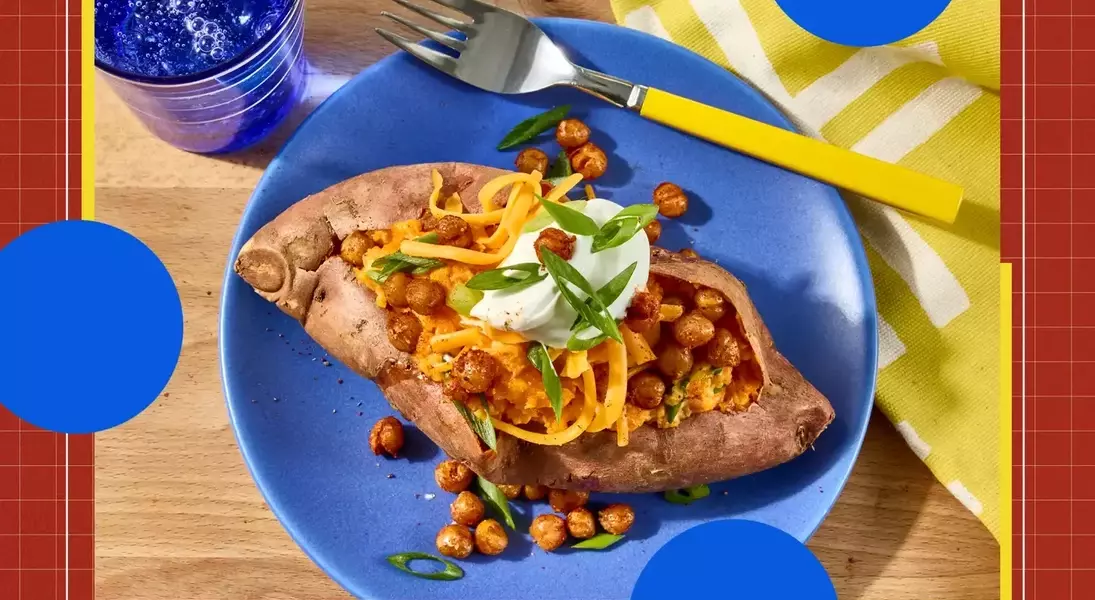
Sweet potatoes, despite their name, are another beneficial starchy vegetable for weight loss. A medium baked sweet potato contains only about 103 calories and 24 grams of carbohydrates, along with 4 grams of fiber and a small amount of protein (2 grams). These root vegetables are virtually fat-free and offer a natural sweetness that can help satisfy cravings for less healthy sugary foods. Michelle Cardel, Ph.D., M.S., RD, highlights their rich nutrient profile, including vitamins A and C, and potassium, all delivered with relatively few calories. Their natural fiber content contributes to prolonged satiety, simplifying portion control. Sweet potatoes can serve as a healthier alternative to refined carbohydrates, for instance, by being made into toast or spiralized into high-fiber pasta noodles.
Butternut squash shares many of the positive attributes of sweet potatoes, with even more fiber. A cup of cooked butternut squash provides 7 grams of fiber for just 82 calories and 22 grams of carbohydrates. Its subtly sweet flavor, similar to sweet potatoes, can effectively manage sweet cravings and its satisfying texture helps prevent overeating, as noted by Bonnie Taub-Dix, RDN. Butternut squash is also incredibly adaptable in the kitchen; it can be roasted, baked, or grilled. For convenience, pre-peeled and cubed options are available, making it easy to prepare a large batch for use in soups, stews, salads, or grain bowls, or even as a hearty topping for hummus.
Corn, often misunderstood, is another starchy vegetable that can support weight loss. It provides a good balance of fiber and protein without excessive calories, and its natural sweetness can help address sugar cravings. Mitri emphasizes corn's rich nutrient profile and its classification as a whole grain, which is associated with maintaining a healthy weight. A medium ear of corn typically contains 2 grams of fiber, 3 grams of protein, and only 77 calories with 17 grams of carbohydrates. Taub-Dix clarifies that it's often high-fat toppings, rather than the corn itself, that contribute to increased calorie counts. Enjoying corn grilled, with a sprinkle of salt or elote seasoning, or adding kernels to salads or sautés, are excellent ways to incorporate it into a healthy diet.
White potatoes, perhaps the most maligned of starchy vegetables, are frequently judged for their carbohydrate content. However, their caloric impact largely depends on preparation. A 5-ounce cooked potato contains only 118 calories and provides 2 grams each of fiber and protein. While slightly higher in carbohydrates (around 27 grams per 5-ounce serving), potatoes offer significant nutritional value, including immune-boosting vitamin C, blood pressure-regulating potassium, and energy-supporting B vitamins. To maximize their health benefits, it's advisable to minimize high-fat toppings and opt for cooking methods like boiling or baking instead of frying. Portion control is also important; larger potatoes can be shared or saved for later use in dishes like egg skillets or mayo-free potato salads.
Ultimately, starchy vegetables are not the adversaries they are often made out to be in the realm of weight loss. Far from being avoided, varieties like green peas, sweet potatoes, butternut squash, corn, and white potatoes should be embraced for their rich fiber and protein content, which contribute significantly to satiety and nutrient intake. These vegetables, inherently low in fat and abundant in essential vitamins and minerals, serve as excellent foundational components for a balanced diet aimed at healthy weight management. The key lies in mindful preparation and sensible portioning, opting for cooking methods that preserve their nutritional integrity and enhance their natural flavors, rather than loading them with excessive calories.
