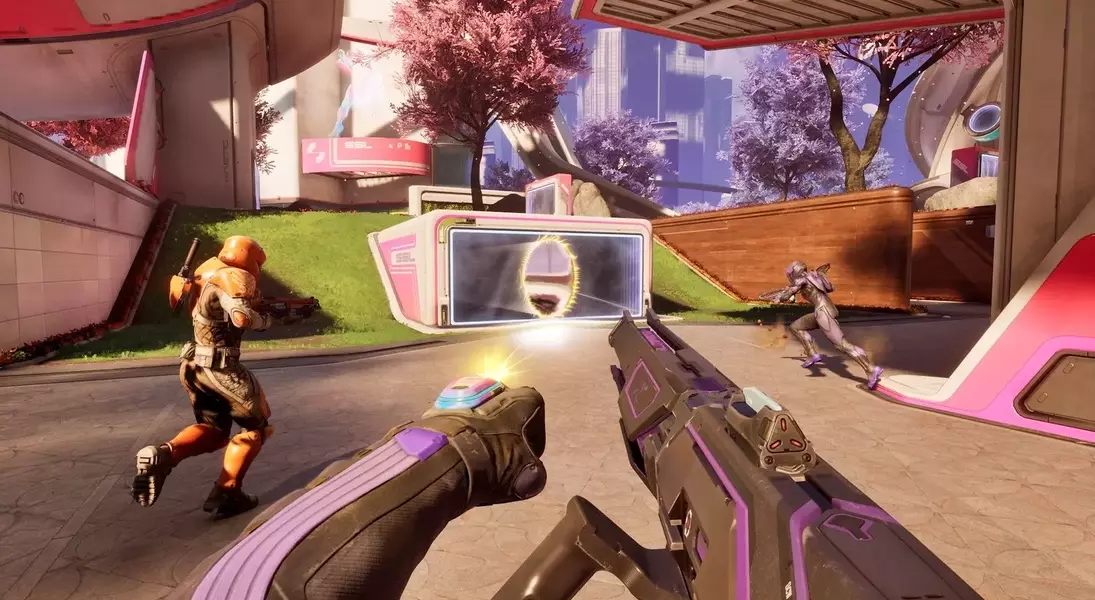
In an unexpected turn of events, the embattled multiplayer first-person shooter, Splitgate 2, is poised for a relaunch in December, defying earlier expectations of a 2026 return. After a tumultuous initial release in June and a subsequent 'unlaunch' in July due to widespread player dissatisfaction, developer 1047 Games has invested significant effort in refining the game. CEO Ian Proulx conveyed optimism regarding the improvements, emphasizing a strategy focused on organic growth rather than an extravagant marketing spectacle, hoping to recapture the community's trust and build a lasting player base.
The Odyssey of Splitgate 2: From 'Unlaunch' to Redemption
The journey of Splitgate 2 has been a rollercoaster of anticipation and disappointment, culminating in a surprising resurgence. Originally launched on June 6, the game quickly faced a barrage of criticism from its player base. Issues such as persistent bugs, the absence of a ranked play system, and overpriced cosmetic items led to a collective outcry. This wave of negative feedback compelled 1047 Games to take the drastic step of pulling the game from sale in July, relegating it back to a beta-testing phase. This 'unlaunching' was further compounded by studio layoffs and the infamous 'Make FPS Great Again' hat worn by CEO Ian Proulx at Summer Game Fest, which, rather than generating positive buzz, amplified the game's notoriety.
However, the narrative is now shifting. 1047 Games has announced that the beta period will conclude on December 4, paving the way for a full relaunch later in the month. This accelerated timeline comes as a surprise, given earlier projections of an early 2026 re-entry. Proulx, addressing player skepticism on Reddit, assured the community that the decision was not driven by investor pressure but rather by a strategic recognition of the holiday season as a prime window for player engagement. He underscored the profound enhancements made during the beta, expressing firm belief in the game's current quality. The team's new approach is markedly different; instead of a grand, hype-driven launch, the focus is on a more subdued, organic growth model, mirroring the success of the original Splitgate. Proulx's recent comments reveal a newfound humility, acknowledging past missteps and reiterating the team's commitment to delivering a polished experience. He notably dismissed any plans to appear at The Game Awards, signaling a departure from previous high-profile, yet controversial, promotional stunts. The studio's current endeavor is deeply rooted in earning back the trust of its community, with countless hours dedicated to refining the game, a testament to their appreciation for the players.
The saga of Splitgate 2 serves as a poignant reminder of the intricate relationship between developers and their communities. It highlights the critical importance of player feedback in shaping a game's trajectory and the potential for redemption when studios genuinely listen and respond to concerns. This relaunch represents more than just a second chance for a video game; it's a demonstration of resilience, adaptation, and the enduring power of a dedicated community to influence creation. The success of Splitgate 2's re-entry will undoubtedly offer valuable lessons for the broader gaming industry on managing player expectations, iterative development, and the long-term cultivation of a loyal fan base.
