
In the expansive universes of role-playing games, where players invest countless hours shaping their virtual avatars, the visual representation of a character often transcends mere aesthetics. This piece delves into how the freedom to define a character's look, whether through intricate customization systems or 'transmogrification' features, plays a pivotal role in the player's journey, fostering a deeper sense of connection and personal investment in the game world. It's a testament to the idea that sometimes, looking good is just as important as performing well.
Unveiling Your Digital Persona: The Art of RPG Customization
The Unseen Threads: Why Visuals Matter in Immersive Storytelling
For many enthusiasts of modern role-playing games, the attire of their character is a paramount indicator of a game's depth and quality. Reflecting on experiences with titles like Xenoblade Chronicles 2, where despite significant gameplay investment, an unappealing character outfit can detract from the overall enjoyment. This sentiment underscores a common desire among players: to avoid being visually displeasing while traversing virtual landscapes. The ability to modify one's appearance, moving beyond the mere utility of gear, is a critical element that distinguishes more engaging RPG experiences.
Beyond Battle Garb: Western RPGs and the Freedom of Style
While Japanese RPGs frequently restrict cosmetic alterations, their Western counterparts often present a broader array of choices, blending both practical and aesthetic elements. Acknowledging the games that empower players to completely transform their gear's look is essential. These 'transmog' systems, which allow the appearance of one item to be superimposed onto another, grant players the liberty to curate their preferred style without sacrificing optimal statistics. This flexibility elevates the player's control over their character's identity, making fashion a dynamic aspect of gameplay rather than a static consequence of progression.
The Enduring Appeal of Transmogrification: A Personal Odyssey
A compelling draw towards games with robust transmogrification features, particularly within the realm of massively multiplayer online role-playing games (MMORPGs), highlights their impact. The author's prolonged engagement with Star Wars: The Old Republic, driven by the desire to craft diverse ensembles for an Agent character, illustrates how cosmetic options can significantly extend a game's replayability. This pursuit of the perfect outfit ensures characters are impeccably dressed for any narrative context, from formal diplomatic encounters to covert reconnaissance missions.
The Fashion Fixation: Crafting Identity in Single-Player Worlds
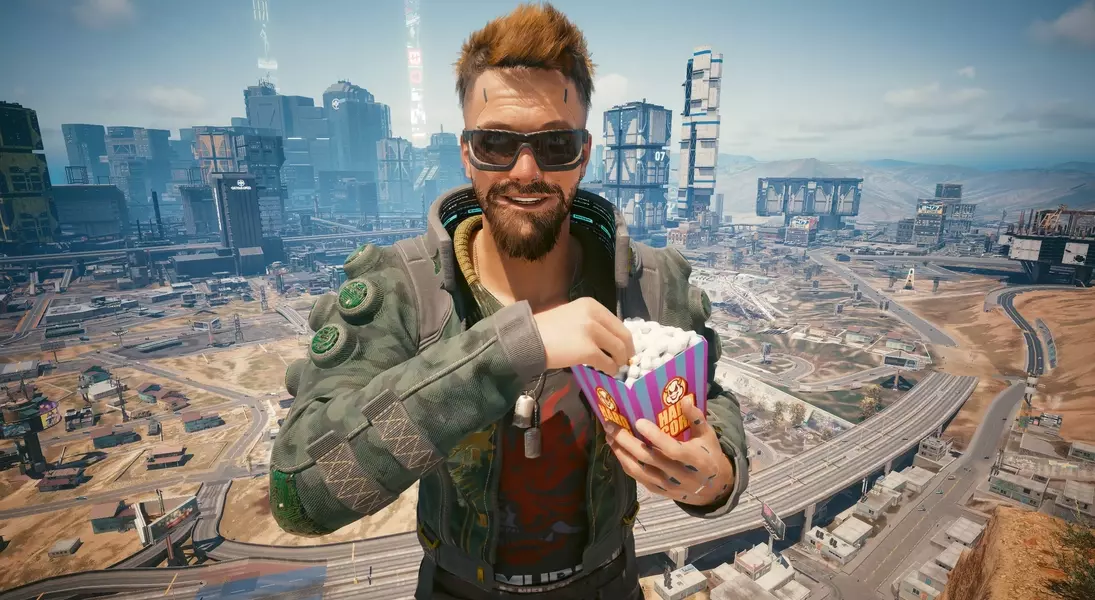
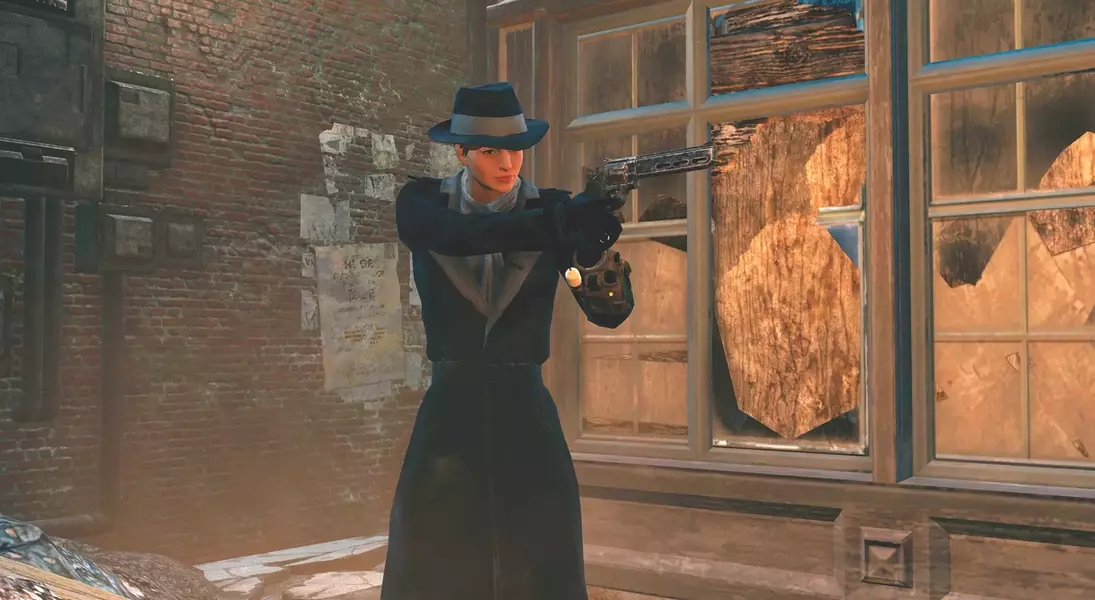
Even in offline RPGs, where the audience for one's sartorial choices is limited to the player themselves, the dedication to character aesthetics remains strong. In games such as Fallout and The Elder Scrolls, countless hours are willingly spent scouring for community-created modifications that offer superior clothing options, preempting the game's default, often less appealing, wardrobes. This personal investment in visual identity extends to titles like Cyberpunk 2077, where the character's visual style, even in a first-person perspective, drives extensive exploration to find fitting attire.
Assassin's Creed and the Evolution of Cosmetic Control
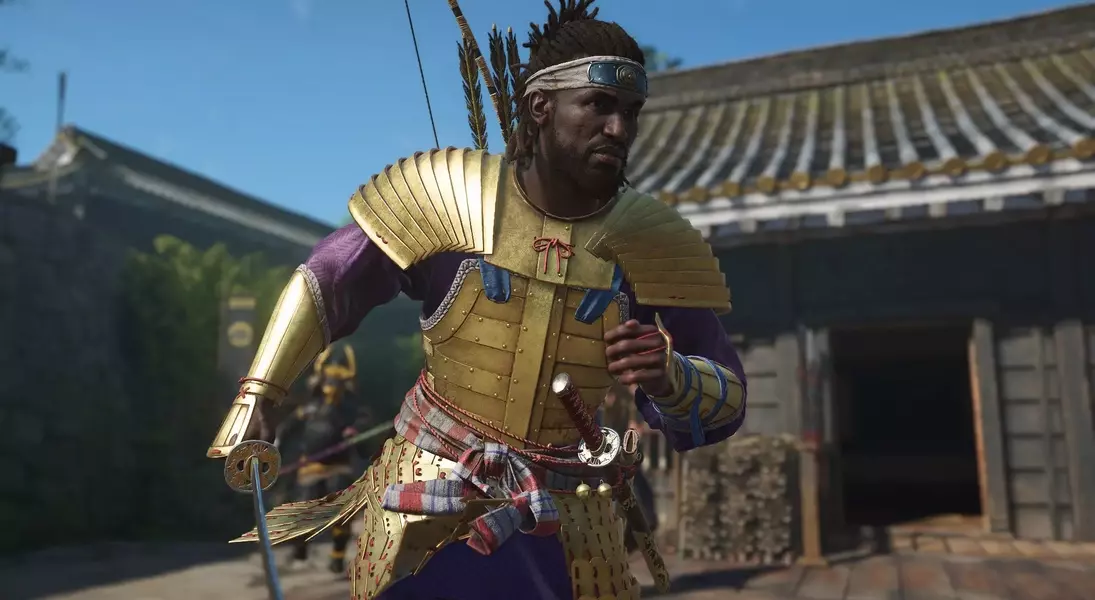
The Assassin's Creed series has surprisingly emerged as a frontrunner in offering sophisticated transmog systems. Players can now imbue their heroes with the aesthetic of any owned gear, including weaponry. The upcoming Assassin's Creed Shadows takes this customization a step further, permitting the selection of specific sword hilt designs and blade styles. This granular control ensures that players can meticulously craft their character's appearance, aligning it perfectly with their personal vision and enhancing the immersive quality of their epic journeys.
The Dilemma of Disguise: Aesthetics Versus Practicality
The underlying principle is clear: if a player is to dedicate hundreds of hours to a character's adventure, they should not be forced into an undesirable appearance. The choice to look a certain way, even if it's unconventional, should reside with the player, rather than being dictated by a game's statistical benefits. The frustration of donning an "ugly" piece of armor purely for its critical damage boost, highlights the tension between optimal performance and personal expression. This central conflict raises a fundamental question about the balance developers strike between gameplay mechanics and player freedom in character design.
The Symbolic Value of Unconventional Attire in MMOs
Conversely, there's a valid argument that eschewing transmogrification can enrich the gaming experience. In games like The Outer Worlds 2, wearing an outfit that might seem outlandish to some—such as steampunk armor paired with a holographic top hat—can represent a character's unique progression, reflecting their choices, completed quests, and alliances within the game world. In MMORPGs, such visually distinctive gear can serve as a badge of honor, a 'flex' to other players, signifying veteran status or achievements from past, often challenging, in-game events.
The Philosophical Divide: Form Versus Function in RPG Gear
Perhaps there's an inherent purity in a playstyle unburdened by cosmetic concerns. When tasked with monumental feats like vanquishing deities or thwarting apocalyptic events, the visual appeal of one's gear might seem secondary to its statistical advantages. If a pair of aesthetically challenged goggles enhances damage output, should their unattractiveness truly matter? This poses a critical question to the RPG community: should cosmetic options and transmog systems be standard in all RPGs and MMORPGs, or should players embrace a pragmatic approach, prioritizing statistical benefits above all else?
