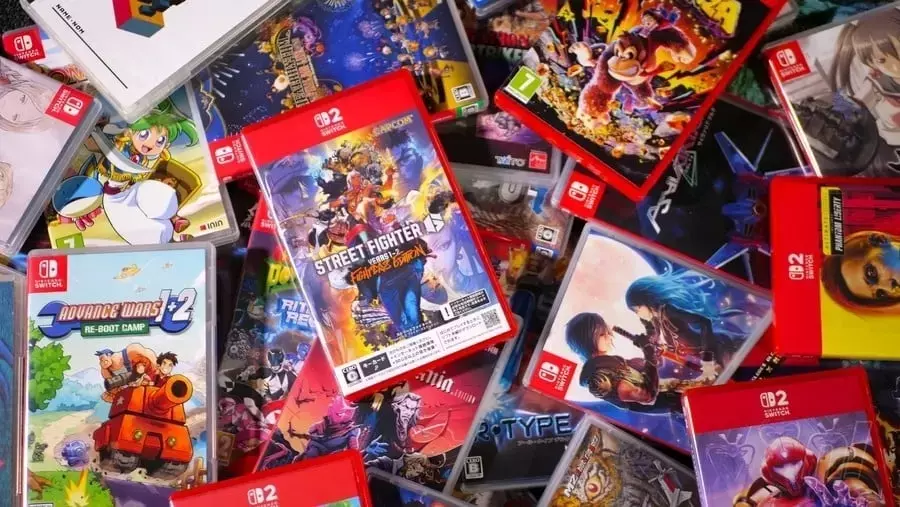
Sony Interactive Entertainment has declared a definitive move away from physical game releases for its PlayStation 5 console and subsequent platforms, effective from January 2028. This bold change means all new titles will exclusively be distributed digitally through the PlayStation Store and other digital storefronts. The company cites "evolving market dynamics" as the primary driver for this decision, noting a significant increase in consumer preference for digital game acquisition over traditional disc formats. This shift was subtly foreshadowed by the recent digital-only release of a highly anticipated title, which, at the time, appeared to be an unusual choice but now aligns with Sony's broader strategy.
In a statement addressing this transition, Sony emphasized its commitment to innovation in game accessibility and providing players with diverse purchasing options, whether through its own digital store or external retailers. The company believes this digital-first approach will better resonate with the majority of its player base and allow for a more streamlined, profitable business model due to reduced manufacturing and distribution costs associated with physical media. This strategic pivot has sparked considerable discussion, particularly in light of other industry players' approaches, such as Nintendo's Game Key Cards. While these cards still represent a physical item, they ultimately require digital downloads, drawing a complex comparison with Sony's fully digital future.
The implications of this announcement extend beyond current console generations, strongly suggesting that future PlayStation consoles, like the anticipated PlayStation 6, will forgo disc drives entirely, following the precedent set by recent hardware iterations. This development prompts curiosity about the strategies other console manufacturers, particularly Nintendo, will adopt for their upcoming systems. The gaming landscape is undeniably shifting towards a digital-centric model, and while this path offers benefits for publishers, it ignites crucial conversations about consumer ownership, game preservation, and the evolving nature of game collecting.
This evolving landscape presents both challenges and opportunities for the gaming community. Embracing digital platforms can foster greater accessibility and dynamic content delivery, pushing the boundaries of interactive entertainment. It encourages innovation in how games are experienced and shared, fostering a forward-looking perspective on the industry's growth. While the sentiment for physical collections remains, adapting to these changes with an open mind allows players to discover new forms of engagement and appreciation for the art of gaming, ensuring the vibrancy of this dynamic medium for years to come.
