The Sony Inzone H9 II gaming headset stands out for its remarkable lightness and highly effective noise cancellation, securing a commendable position in the market despite its premium price. While its initial impression might lean towards the ordinary and its battery life, at 30 hours with ANC off, is merely adequate for a high-end device in 2026, the headset truly shines in user comfort and its ability to create an immersive audio environment. Its balanced sound profile and clear microphone further enhance its appeal, making it a strong contender for those prioritizing comfort and an undisturbed gaming experience, provided the cost aligns with their budget.
Sony Inzone H9 II: Unpacking the Features of a Premium Gaming Headset
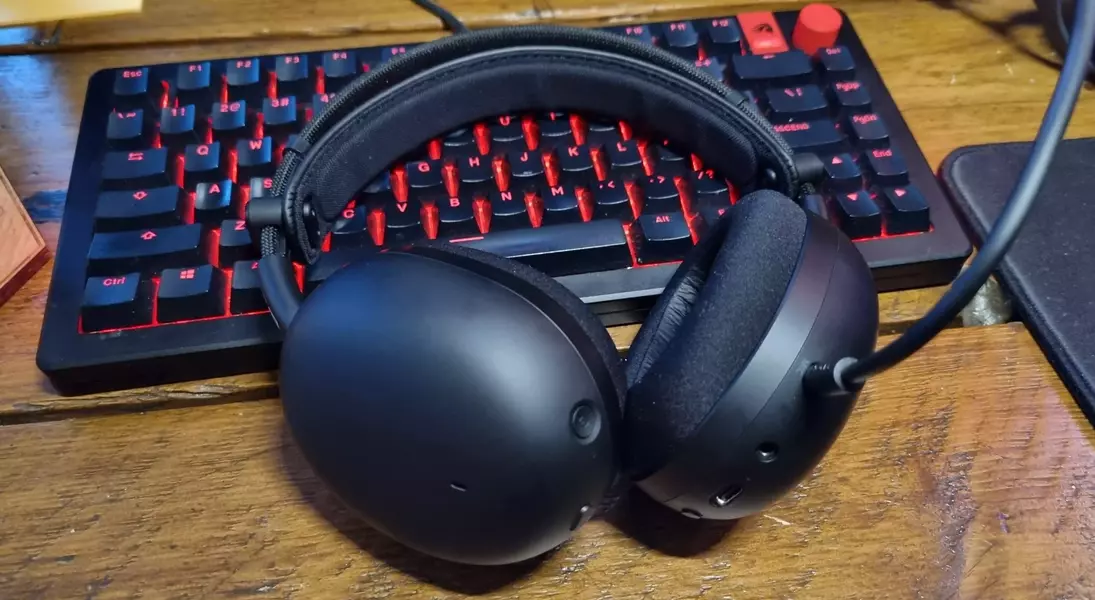
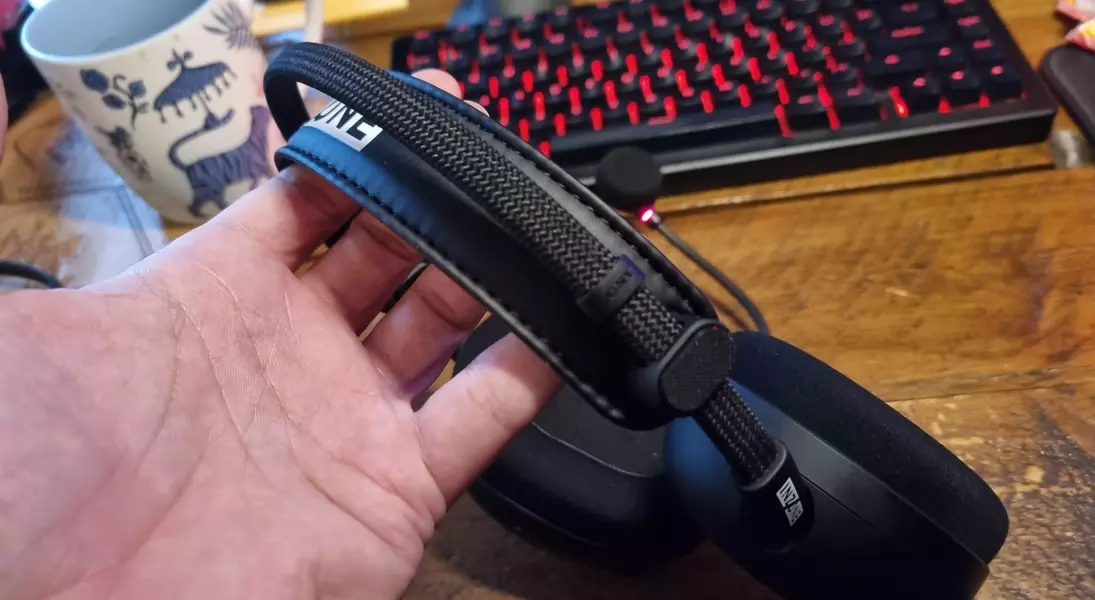
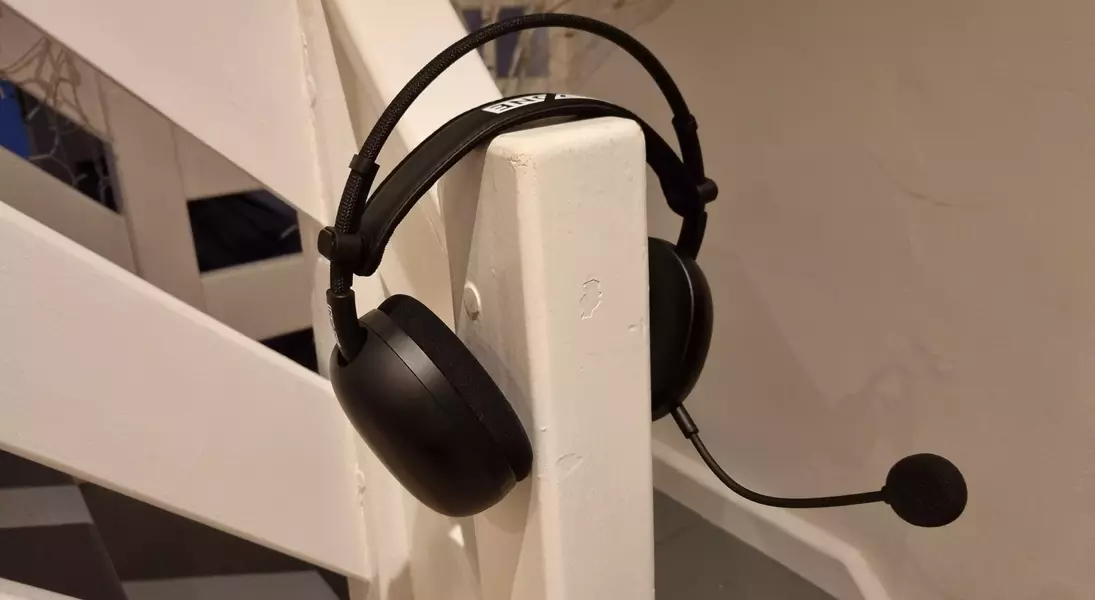
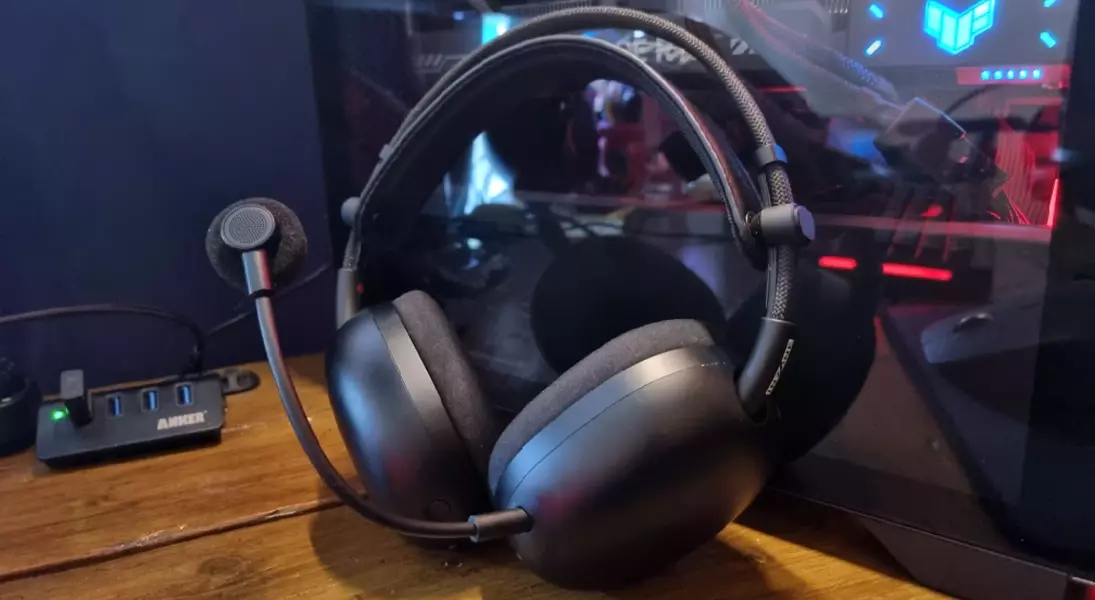
Upon its debut, the Sony Inzone H9 II gaming headset enters a competitive market with a price point of $350. Initially, reviewers noted its surprisingly light construction, weighing a mere 260 grams without the microphone, which some found to feel less substantial than expected for its cost. The headband, featuring a fabric-covered outer band and a pleather-encased elastic strip, also appeared rather understated. However, these first impressions quickly dissipated once the headset was worn. Its gentle clamping force, combined with soft foam earcups and minimal weight, provided exceptional comfort, making it suitable for extended gaming sessions or daily use, often leading users to forget they were wearing it at all.
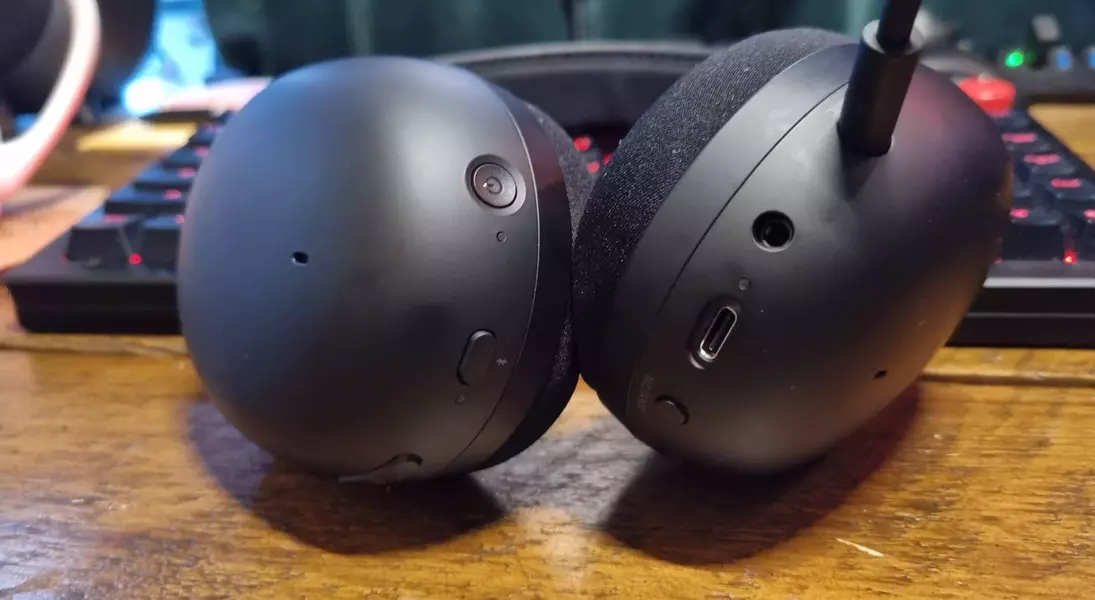
A standout feature of the Inzone H9 II is its impressive noise-canceling technology, controllable via a button on the left earcup or Sony's Inzone Hub software. This system effectively creates a personal audio sanctuary, drastically reducing ambient noise. While not entirely eliminating very loud sounds or nearby mechanical keyboard clicks, it significantly surpasses many other gaming headsets in isolating the user from their surroundings.
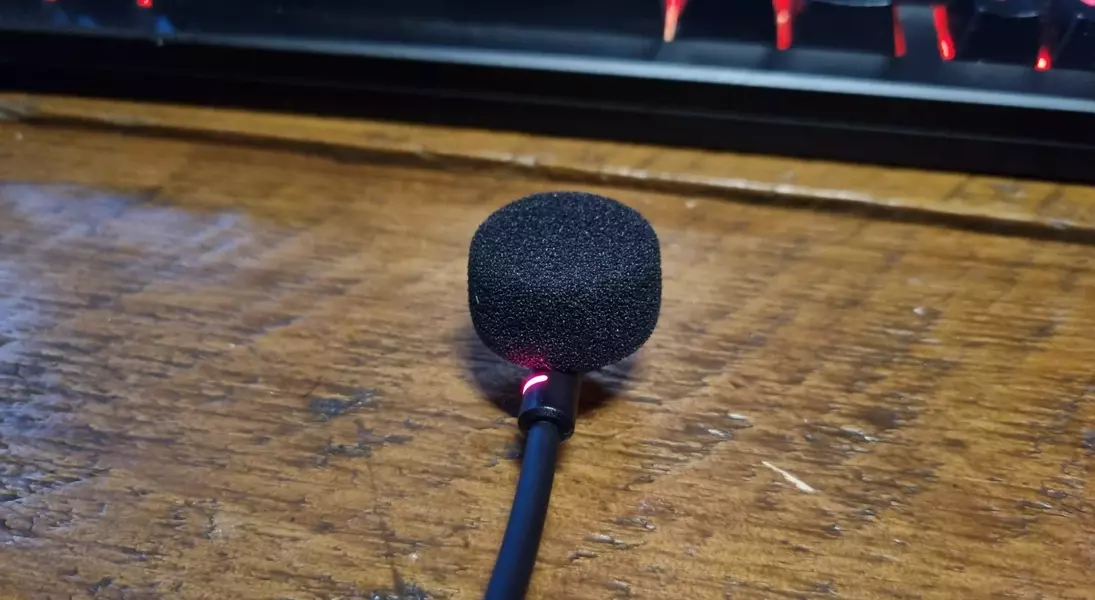
The audio experience is powered by 30 mm carbon composite drivers, which, despite their size, deliver a warm and pleasant sound profile, particularly in the low to mid-range frequencies. Users can further customize the sound through the Inzone software's EQ settings, allowing for adjustments from deeper bass to sharper treble, though the headset’s natural warm, punchy response is highly praised. It also supports spatial sound, offering detailed positional audio for an immersive gaming experience. The headset's removable cardioid condenser microphone, equipped with a foam filter, provides clear and rounded vocal quality, suitable for streaming and in-game communication, despite its somewhat functional appearance. A convenient textured mute button on the left earcup, featuring a subtle red LED indicator, adds to its user-friendly design.
The overall design, while not overtly flashy and prone to fingerprints on its matte finish, is celebrated for its subtle practical touches that enhance the user experience. Despite its strengths, the $350 price tag remains a point of contention. While the Inzone H9 II excels in comfort, noise cancellation, and sound quality, some audiophile-grade alternatives, such as the Audeze Maxwell, offer superior sound fidelity with planar magnetic drivers and extended battery life, often for a comparable or even lower price, albeit without active noise cancellation and with a bulkier design. This positions the Inzone H9 II as a strong choice for those who value its specific advantages and can find it at a discount, but perhaps less appealing at its full retail price when considering direct competitors.
The review of the Sony Inzone H9 II headset offers a compelling insight into the trade-offs involved in high-end gaming peripherals. It highlights that innovation in comfort and noise-canceling technology can truly redefine user experience, turning initial skepticism about a product's build into genuine appreciation. However, it also underscores the enduring challenge for manufacturers to justify premium pricing in a market where specialized alternatives often deliver superior performance in specific areas. This prompts a reflection on consumer priorities: is unparalleled comfort and isolation worth compromising on ultimate audio fidelity or battery longevity? For many, the ability to game for hours in serene comfort without distractions might indeed be a worthy investment, showcasing that sometimes, the subtle enhancements truly make a product shine.
