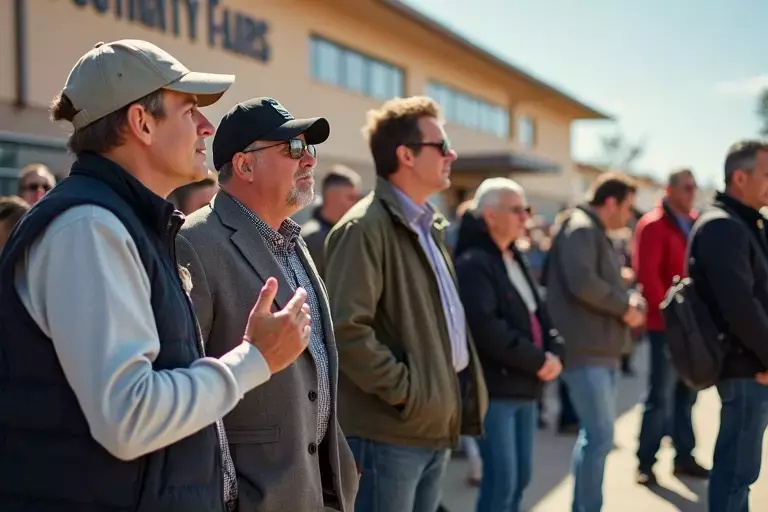
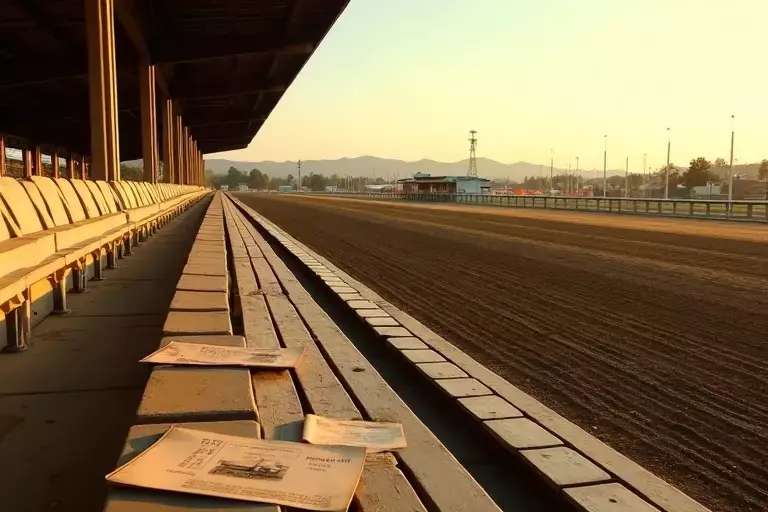
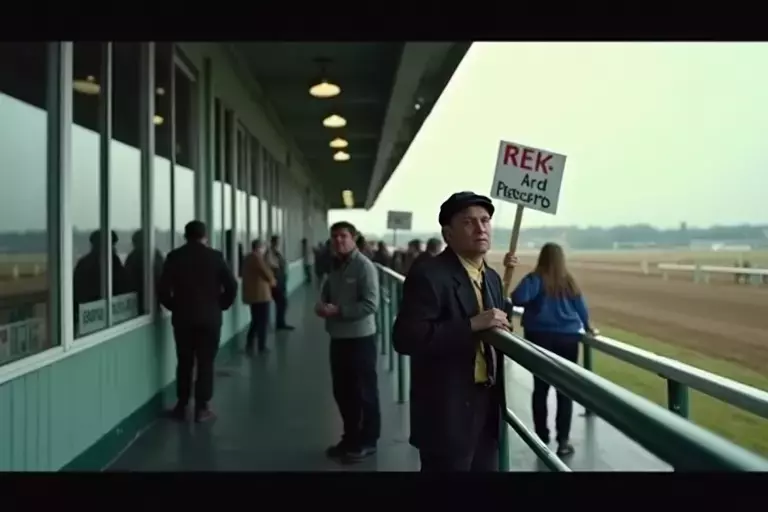

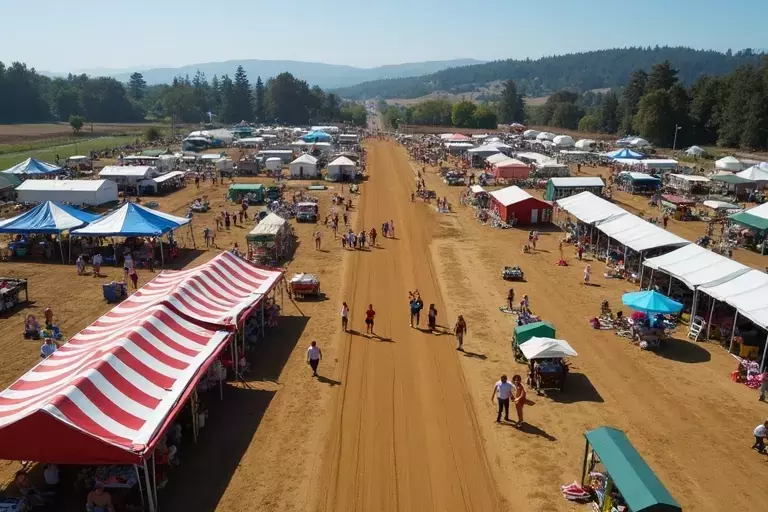
Due to the declining presence of horse racing in Northern California, the Sonoma County Fair Board has announced the cancellation of live races for this year's fair. This decision stems from a broader downturn in the industry, including the closure of Golden Gate Fields and reduced interest among racehorse owners. While the heritage of horse racing is deeply rooted in the fair since 1936, organizers aim to enhance other agricultural, educational, and entertainment offerings.
The choice aligns with recent trends showing decreased wagering revenue and increasing scrutiny from animal rights groups regarding safety concerns. Despite these challenges, the board remains open to reintroducing horse racing if conditions improve significantly in the future.
A Legacy Paused: The End of Live Races at Sonoma County Fair
For decades, the Sonoma County Fair has celebrated its rich history of horse racing, dating back to 1936. However, the tradition faces an uncertain future as many racehorse owners have moved south or out of state following closures at other major venues like Golden Gate Fields. Matthew Daly, CEO of the fair, expressed gratitude for the contributions of those involved in the sport but emphasized that shifting focus would strengthen other aspects of the event.
This year marks a turning point as the fair prioritizes alternative attractions over live races. Organizers believe that enhancing agricultural exhibits, educational programs, and family-friendly activities will draw larger crowds and create a more diverse experience for attendees. Although horse racing may return if the industry rebounds, current circumstances necessitate a temporary halt to preserve the overall vitality of the fair.
Industry Challenges and Advocacy Concerns Shape Future Plans
Beyond local decisions, the decline of horse racing reflects broader national issues within the industry. Financial pressures, dwindling wagering revenues, and stringent regulations contribute to the contraction observed across California and beyond. Additionally, heightened awareness about equine welfare has led some organizations to advocate for alternatives to traditional racing events.
Animal Defenders International praised the California Authority of Racing Fairs' January vote to discontinue the northern circuit, citing it as progress toward safer practices. Meanwhile, concerns persist regarding job losses and potential housing impacts on workers tied to the sport. As the Sonoma County Fair moves forward without live races, stakeholders must balance preserving cultural traditions with addressing modern ethical considerations while exploring new opportunities to engage communities through innovative programming.
