As the summer travel season commences with Memorial Day weekend, American motorists are grappling with significantly elevated fuel costs, reaching their highest point in four years. This surge in gasoline prices is profoundly impacting holiday travel plans and prompting a reevaluation of transportation choices. Data from AAA reveals a stark increase in pump prices, pushing many to consider more economical alternatives, notably electric vehicles. While the immediate effect on new EV sales in the U.S. might be subtle, the used EV market is experiencing a notable upswing due to this economic pressure, driven by the increasing affordability of pre-owned electric models as lease returns enter the market. This scenario highlights a growing divergence in the cost of vehicle operation between traditional gasoline-powered cars and their electric counterparts, underscoring a shift in consumer priorities towards more sustainable and cost-effective mobility solutions.
Skyrocketing Gasoline Prices Hit American Drivers Hard Ahead of Holiday Weekend
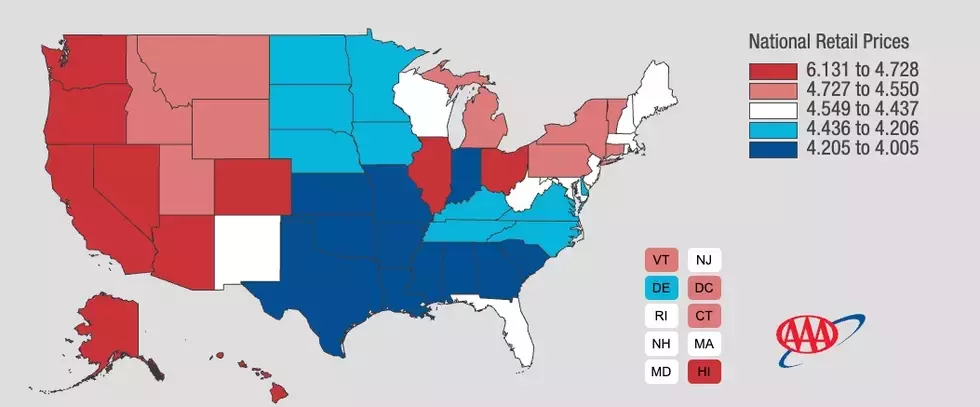
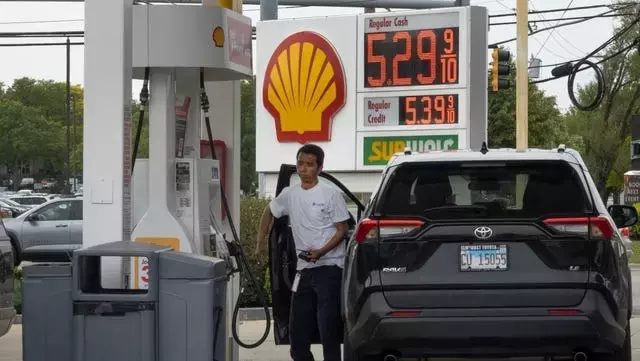
As the sun-drenched days of late May unfolded, signaling the unofficial start of summer with the Memorial Day weekend, travelers across the United States found themselves facing unprecedented expenses at the gas pump. The national average price for a gallon of regular gasoline climbed to a staggering $4.56, marking a four-year high and a significant leap from just weeks prior. This figure represented a three-cent increase from the preceding week and a substantial 50-cent jump compared to April's averages. Reflecting on the past year, the current prices stand in stark contrast to the more modest $3.18 per gallon recorded last year, painting a clear picture of escalating fuel costs.
Geographically, the impact of these surging prices was felt most acutely in specific regions. California, notorious for its high cost of living, once again led the nation with an average of $6.14 per gallon. Close behind were its West Coast neighbors, Washington and Oregon, reporting averages of $5.64 and $5.35 respectively. The island states of Hawaii and Alaska also ranked among the most expensive, with prices hovering around $5.64 and $5.27 per gallon. Conversely, drivers in southern states such as Mississippi, Georgia, Louisiana, and Texas enjoyed some reprieve, with prices just above the $4 mark. Even in Indiana, a popular destination for motorsport enthusiasts converging for the Indy 500, the average price stood at a relatively moderate $4.04 per gallon.
In stark contrast to the escalating costs for conventional vehicles, owners of electric vehicles (EVs) experienced a period of remarkable stability in charging expenses. The national average cost for public charging remained steady at 41 cents per kilowatt-hour, while those who charge their vehicles at home benefited from an even more economical rate of just 18 cents per kilowatt-hour. This significant cost disparity has not only highlighted the financial advantages of EV ownership but has also spurred a burgeoning market for used electric vehicles. With an influx of off-lease EVs now available, transitioning to electric power has become an increasingly affordable option for a wider range of households, especially as the economic pressures from traditional fuel prices continue to mount. For those with both gasoline and electric vehicles, the rising fuel costs have made the choice to rely more heavily on battery power an obvious one. Furthermore, simple driving habits, such as maintaining proper tire inflation and adopting a less aggressive driving style, have been emphasized as practical ways for all drivers to mitigate the impact of these high prices.
Rethinking Our Routes: The Road Ahead in the Face of Fuel Price Volatility
The current landscape of fuel prices serves as a potent reminder of the intricate relationship between global economics, energy markets, and individual consumer choices. This period of heightened gasoline costs, particularly impacting the celebratory atmosphere of summer travel, underscores the inherent volatility of fossil fuel dependence. It prompts a critical reflection on our collective transportation habits and the broader implications for both personal finances and environmental sustainability. The widening cost gap between operating internal combustion engine vehicles and electric vehicles is not merely a transient inconvenience; it is a powerful catalyst for change. This economic incentive is accelerating the shift towards electrification, making sustainable alternatives not just an ideological preference but a pragmatic necessity for many households. The flourishing used EV market, a direct consequence of these financial pressures, signifies a pivotal moment where accessibility to greener transportation solutions becomes more widespread. As we navigate this evolving terrain, it becomes increasingly clear that proactive measures—from individual driving adjustments to broader investment in electric infrastructure—are essential. This moment demands innovation, adaptation, and a renewed commitment to energy efficiency, shaping a future where our journeys are not only more affordable but also more environmentally responsible.
