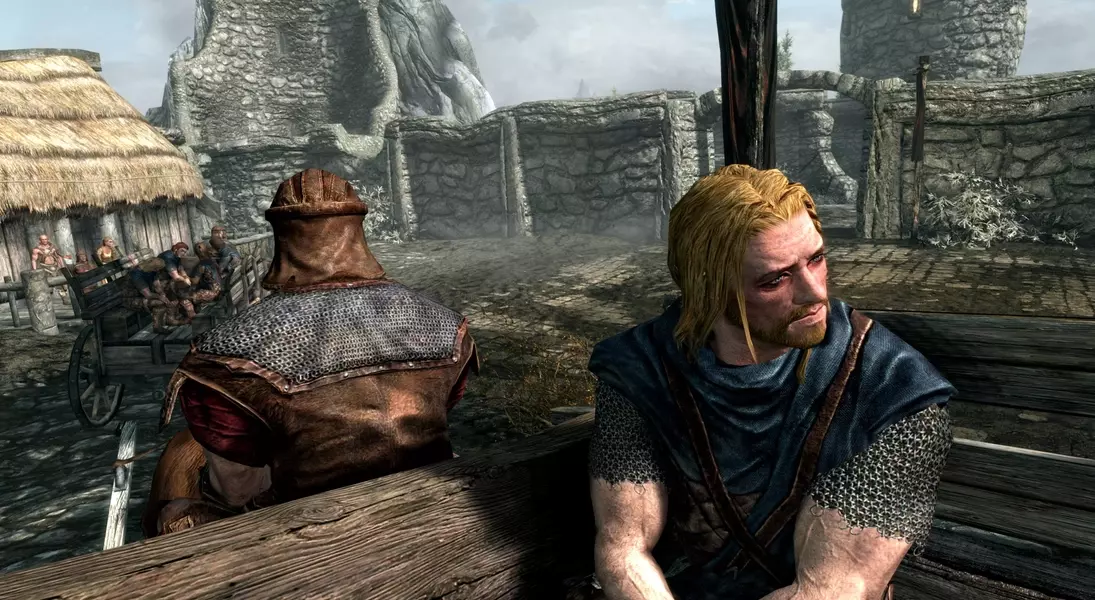
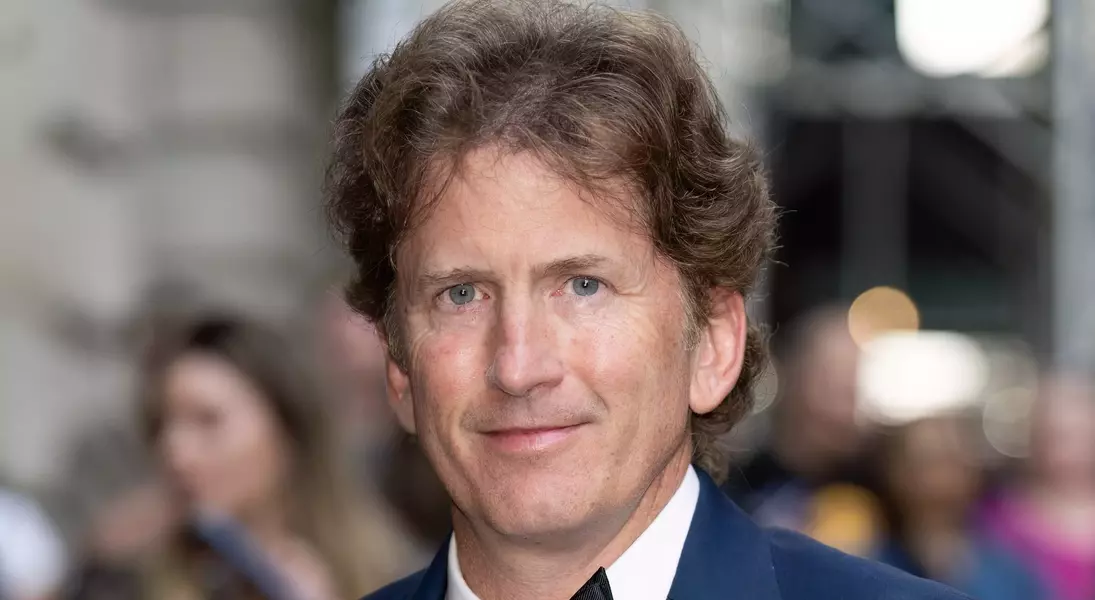
In a recent interview, Bruce Nesmith, the esteemed lead designer of Skyrim and a long-time Bethesda veteran, offered a nuanced perspective on the leadership of studio head Todd Howard. Nesmith lauded Howard's qualities as an exceptional boss while candidly discussing his occasional habit of what he playfully refers to as “seagulling”—swooping in to make changes to ongoing projects. This behavior, though sometimes a bottleneck, is framed within the context of Bethesda's large-scale game development, where Howard's involvement in key areas ensures the realization of his overarching vision, leaving ample creative freedom for his team in other aspects.
Nesmith's remarks shed light on the inner workings of Bethesda during the development of iconic titles like Skyrim. He emphasized that despite Howard's well-meaning attempts to avoid becoming a bottleneck, his innate desire to refine and perfect certain elements invariably leads to his direct intervention. This "seagulling" tendency, while occasionally disruptive, is not seen as micromanagement in a negative sense, but rather as an integral part of the studio's culture and the iterative process of crafting expansive open-world games. Howard's focus tends to be on core gameplay mechanics and thematic elements, areas where his vision is crucial for maintaining cohesion across massive projects.
A prime example of this dynamic cited by Nesmith was the overhaul of Skyrim’s magic system. Nesmith felt the existing system was outdated and needed a complete reimagining. After initial discussions and Howard's approval of the general concept, Nesmith was granted significant autonomy to develop the new magic system. While Howard remained involved in the overall direction and provided feedback, he empowered Nesmith with the freedom to innovate. Similarly, in character systems, Howard held a strong vision for perks, actively participating in their design, but entrusted his team with considerable freedom on the underlying implementation.
This balance between creative autonomy and targeted intervention highlights a unique aspect of Bethesda’s development philosophy. Howard’s ability to delegate and trust his team with substantial creative control, while still maintaining oversight over critical elements, allows for the ambitious scope and intricate detail that characterize Bethesda's games. The lead designer’s comments underscore that the studio operates on a principle where both broad creative freedom and focused leadership from Howard coexist, contributing to the development of highly successful and critically acclaimed titles. Nesmith's interview coincides with the promotion of his new book series, “Loki Redeemed,” and also features his thoughts on the future directions for The Elder Scrolls and Fallout franchises.
