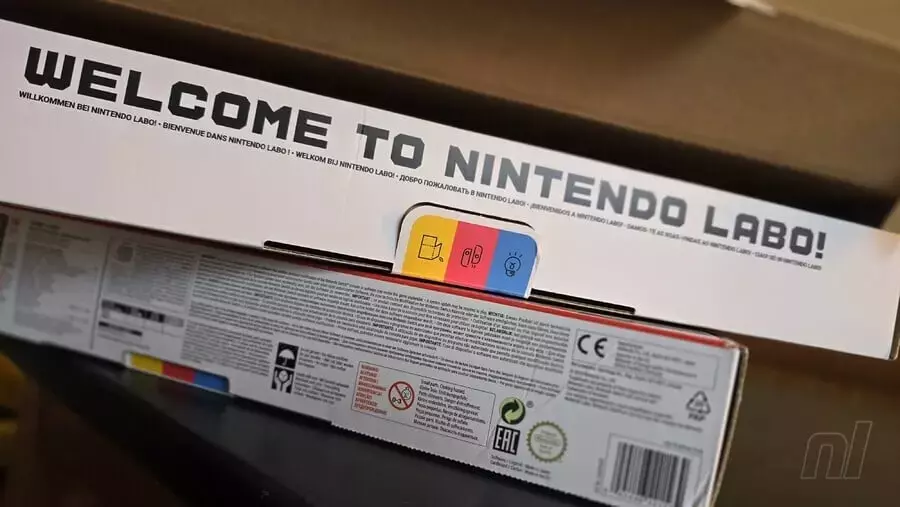
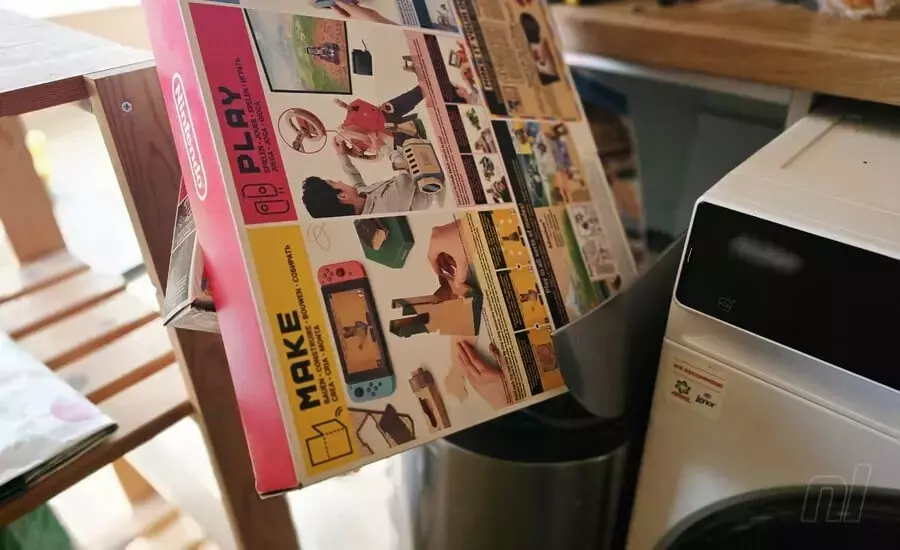

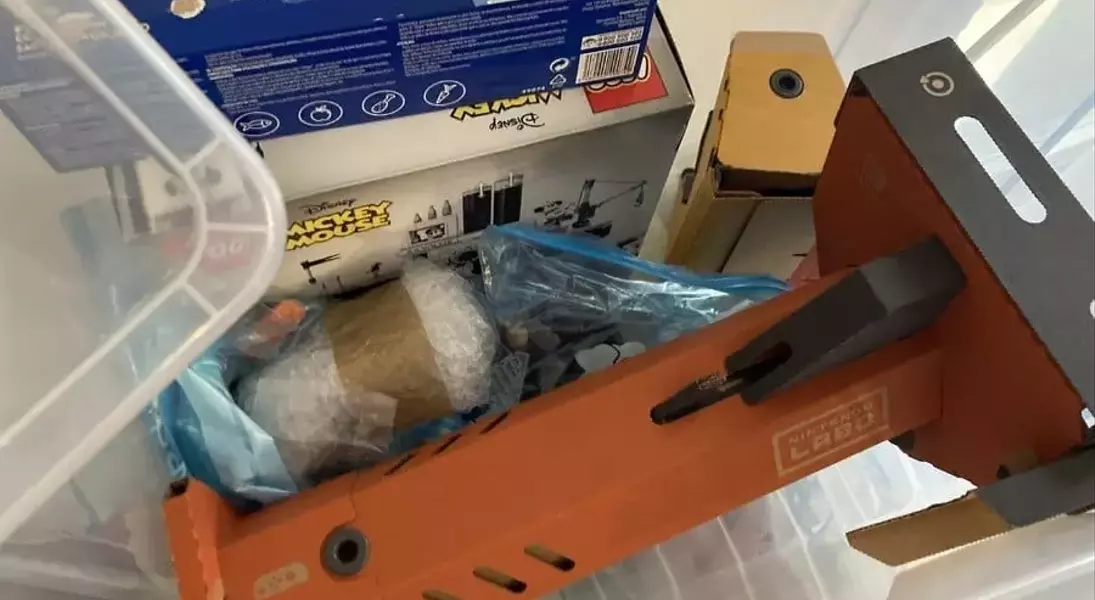
In a world rapidly advancing with technological marvels, the Nintendo Labo, a unique cardboard-based gaming experience launched in 2018, often finds itself as a relic of a bygone era. This feature delves into the current state of these innovative kits, especially as Nintendo prepares to reintroduce its classic Virtual Boy games to the Nintendo Switch Online library. The possibility of repurposing old Labo VR kits to access these retro titles presents an intriguing, and potentially cost-saving, proposition for enthusiasts. Through a collection of personal anecdotes from staff writers, we uncover a diverse range of Labo experiences – from passionate engagement to forgotten relics tucked away in storage. This exploration invites readers to consider their own connection to these inventive cardboard creations and their lasting impact, if any, on their gaming habits.
Nintendo Labo: A Nostalgic Look at Its Present and Future Relevance
In the distant past of 2018, Nintendo unveiled its imaginative Labo kits, a groundbreaking venture that blended crafting with digital gameplay. Fast forward to the present, and the impending arrival of the Virtual Boy on the Nintendo Switch Online platform has ignited discussions about the enduring utility of these cardboard creations. For many, the concept of assembling intricate cardboard structures, paired with interactive software, was a novel and engaging experience.
The central question now revolves around the fate of these Labo sets, particularly the VR kit. With the new Virtual Boy release, Nintendo offers both a replica headset and a more affordable cardboard version. However, a compelling alternative for existing Labo VR owners could be to simply utilize their current kits, potentially saving on the cost of new accessories, provided the compatibility issues and fitting challenges with the Switch 2 can be resolved by the dedicated online community.
Several Nintendo Life staff members shared their personal journeys with Labo. PJ O'Reilly, a staff writer, admitted to an initial enthusiastic acquisition of various Labo sets. Despite some unbuilt kits accumulating, he fondly recalls the joy of constructing certain elements, such as the steering wheel, and attributes any unused portions to the distractions of small children rather than a lack of enjoyment. Gavin Lane, an editor, revealed his continued engagement with his base Labo VR set, especially the blaster for a hippo-themed game, a hit with his kids. He even contemplates a makeshift solution for Virtual Boy compatibility using his existing VR goggles to bypass the high cost of new accessories. Conversely, Jim Norman, another staff writer, confessed to never owning any Labo kits, citing the impracticality of bulky cardboard in cramped university accommodations. He humorously recounted encountering a worn-out Robot Kit in a charity shop, quickly abandoning the thought of acquiring it.
While the initial excitement surrounding Labo may have waned for many, the prospect of its VR kit finding a new purpose with the Virtual Boy re-release offers a glimmer of renewed relevance. The diverse experiences of these individuals highlight the varying degrees of success and longevity of Nintendo's innovative cardboard venture, leaving us to wonder if these once-cherished creations will be dusted off for another round of interactive play.
The discussion around Nintendo Labo brings to light a fascinating intersection of creativity, technology, and consumer behavior. It underscores the challenges and triumphs of innovative products that push the boundaries of traditional gaming. The enduring appeal of DIY and the potential for existing hardware to find new life with evolving software are powerful reminders of the dynamic nature of the entertainment industry. Perhaps, in an age of rapid consumption, the concept of building, playing, and even repurposing our gaming tools holds a deeper, more meaningful value.
