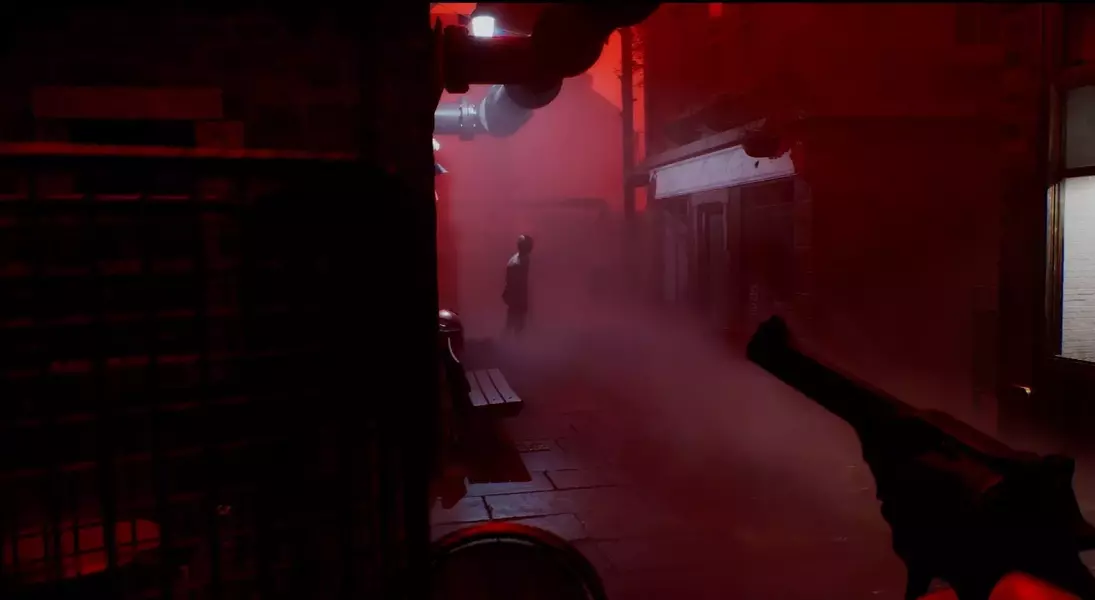

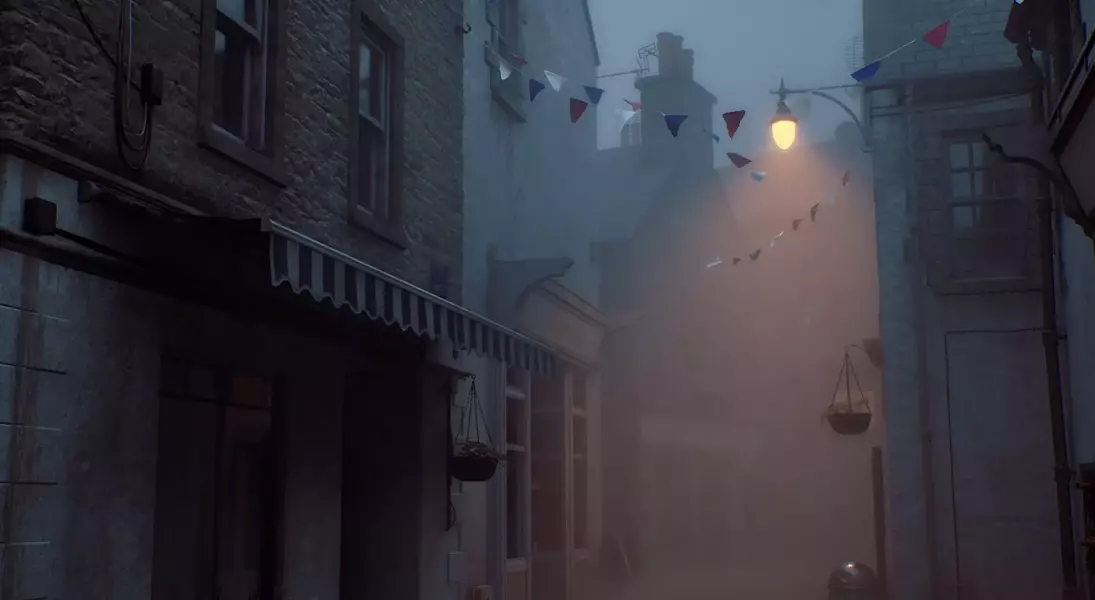
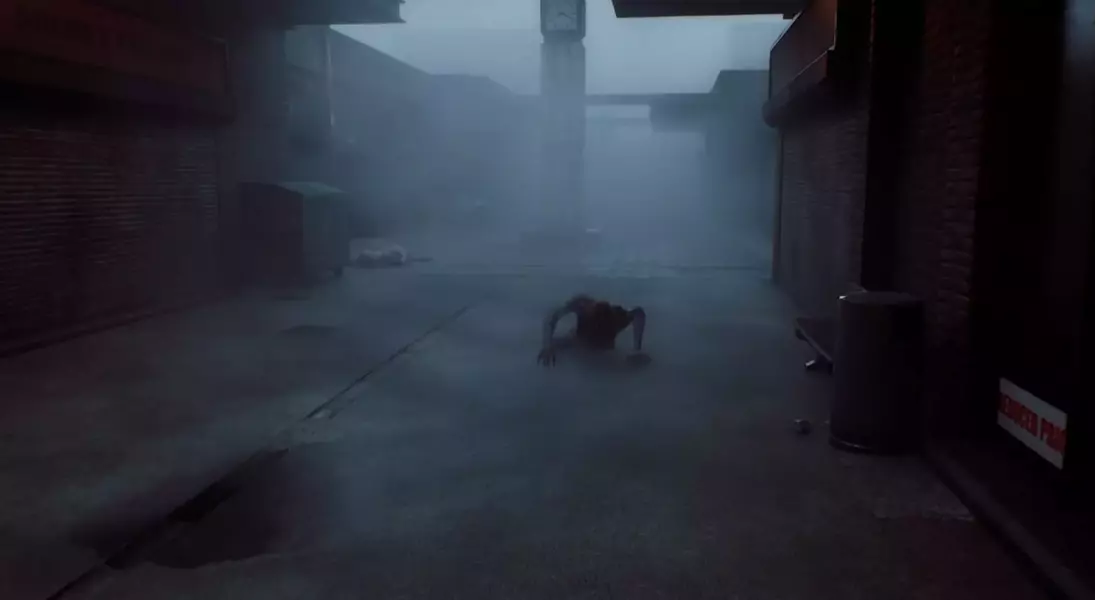
"Silent Hill: Townfall" masterfully integrates Scottish heritage into its psychological horror framework, providing a fresh and unsettling gaming experience. Unlike previous installments that ventured to Japan, this new iteration transports players to St. Amelia, a town deeply influenced by Scottish history and atmosphere. The game's setting in the 1990s, a period of significant social and political change in Scotland, particularly under Margaret Thatcher's rule, adds layers of realism and tension. Developer Screen Burn, hailing from Glasgow, brings a nuanced understanding of local culture to the game, drawing from personal experiences and historical research to craft a believable yet terrifying environment. Their prior work on titles like "Stories Untold" and "Observation" demonstrates their expertise in creating suspenseful and engaging narratives.
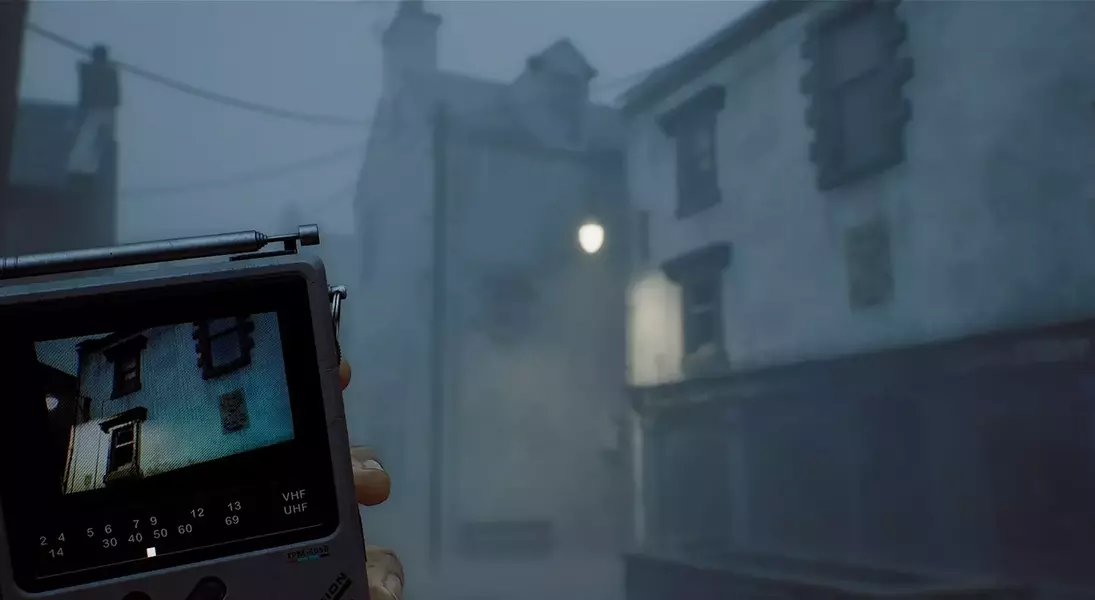
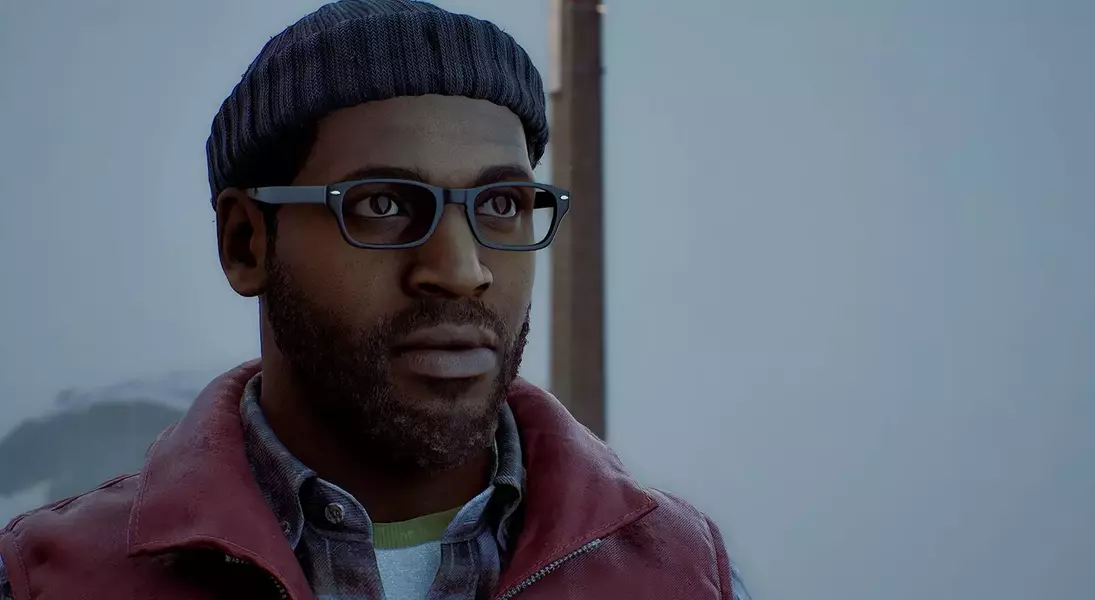
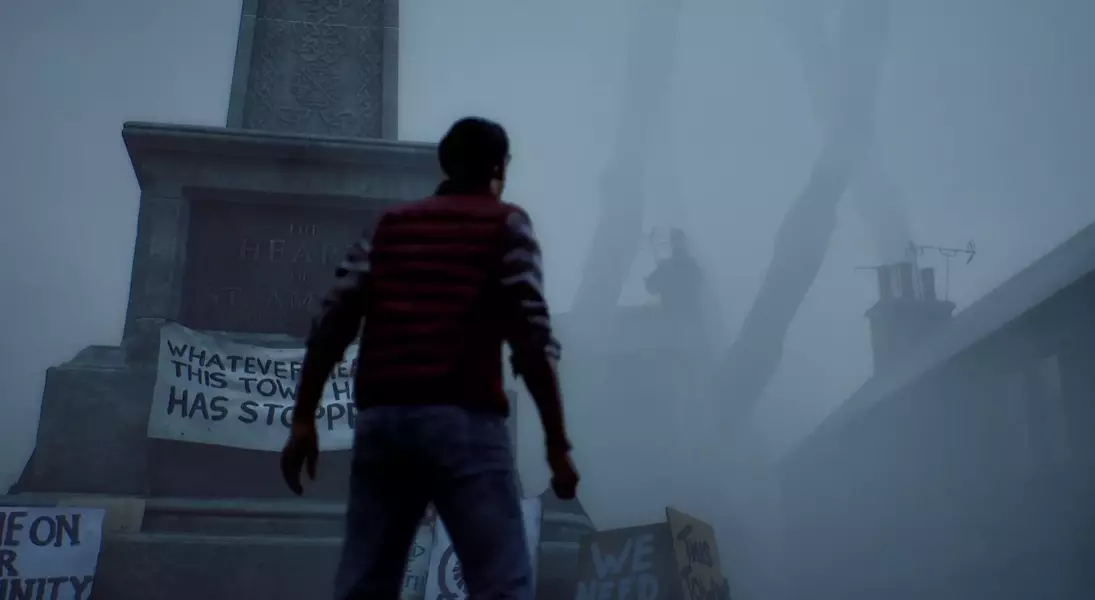
A core aspect of "Townfall" is its commitment to authenticity, meticulously recreating the ambiance of a 1990s Scottish town. The game's art direction incorporates subtle yet impactful details, from architectural styles to everyday objects like charity collection boxes and antiquated televisions. This attention to detail ensures that St. Amelia feels like a genuine place, enhancing player immersion. The game deliberately restricts technological advancements, forcing players to rely on a bulky, unreliable CRTV for clues and enemy detection, amplifying the sense of vulnerability inherent in horror. The use of first-person perspective further draws players into protagonist Simon's experience as an outsider, allowing for a more intimate and visceral connection to the unfolding horrors. This perspective not only intensifies the fear but also facilitates a deeper exploration of the environment, making every discovery feel personal.
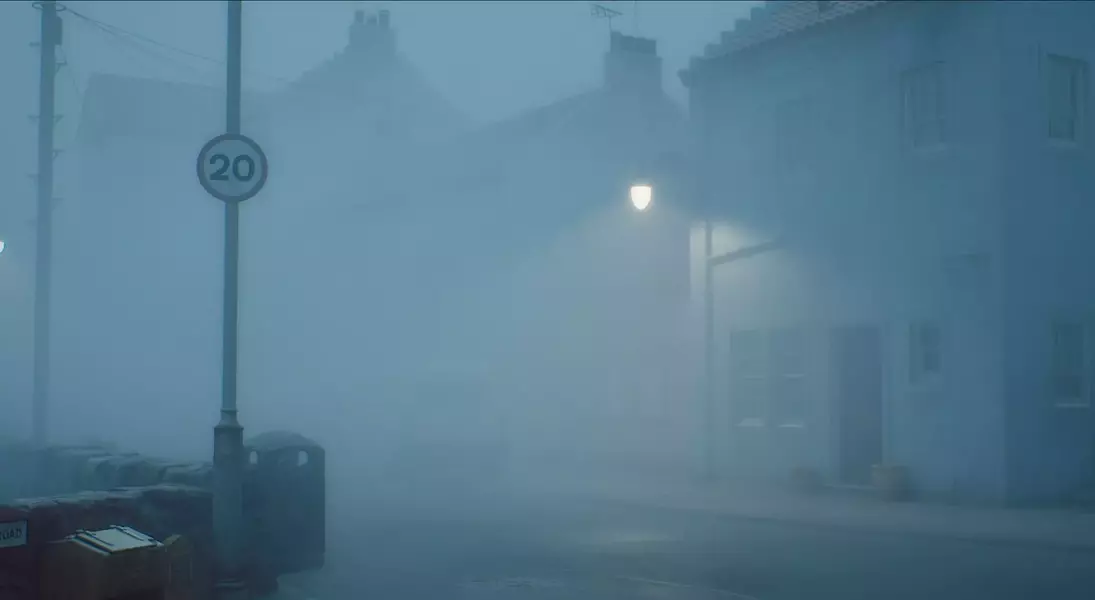
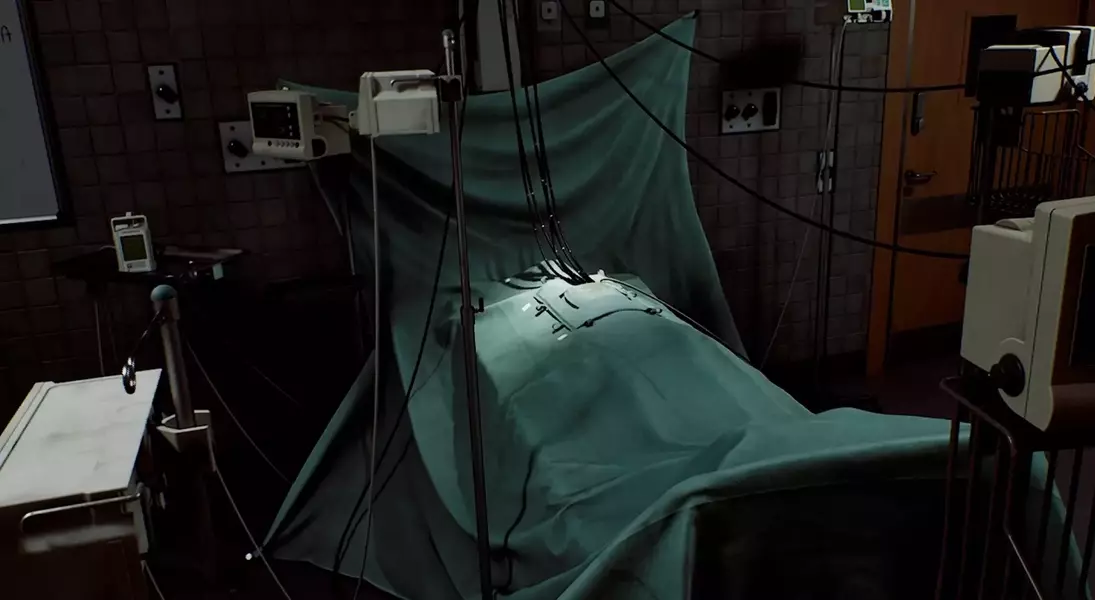
Beyond its aesthetic and mechanical choices, "Townfall" delves into profound thematic elements, including medical trauma and the erosion of small communities. The narrative explores these difficult subjects through unsettling imagery, such as a character being forcefully connected to a sky-borne feeding tube, vividly illustrating the protagonist's psychological distress. The harsh Scottish weather, characterized by fog and gloom, serves as more than just a backdrop; it actively contributes to the game's oppressive atmosphere, mirroring the internal turmoil of the characters. This blending of external environment and internal struggle creates a cohesive and deeply resonant horror experience. By grounding its terrors in relatable human experiences and historical context, "Silent Hill: Townfall" achieves a potent and lasting impact, making it a compelling addition to the horror genre.
The creators of "Silent Hill: Townfall" exemplify how a deep understanding of culture and history can elevate storytelling, fostering a sense of authenticity that transforms a fictional world into a profound and reflective experience. Their dedication to exploring complex themes through the lens of horror encourages players to confront discomfort and reflect on societal impacts, underscoring the power of art to both entertain and provoke thought. This approach not only enriches the game's narrative but also highlights the importance of connecting with our past and our communities, reminding us that even in the darkest fictions, there are mirrors to our own realities and opportunities for deeper understanding.
